Author: Location Hours

  • Can a Plant-Based Diet Help With Weight Loss?

    Can a Plant-Based Diet Help With Weight Loss?

    It is a question a lot of people ask when they first consider eating more plants: will it help me manage my weight? The honest answer is — it can, but not by magic.

    A plant-based diet built around wholefoods has some genuine advantages for weight management. But “plant-based” and “slimming” are not the same thing, and it pays to understand why. This guide takes a balanced, realistic look at the connection.

    As always, this is general information rather than personal advice — but it should help you see the full picture.

    Why plant-based eating can help

    There are sound reasons a wholefood plant-based diet often supports a healthy weight, and they come down to the nature of the food itself.

    • High in fibre — vegetables, legumes and wholegrains keep you feeling full for longer.
    • Lower calorie density — whole plant foods fill you up on fewer calories per bite.
    • Naturally nutrient-rich — you get more vitamins and minerals per mouthful.
    • More home cooking — cooking from scratch tends to mean fewer processed extras.

    In short, wholefoods let you eat generously while naturally moderating your calorie intake — which is a far more pleasant path than counting every mouthful.
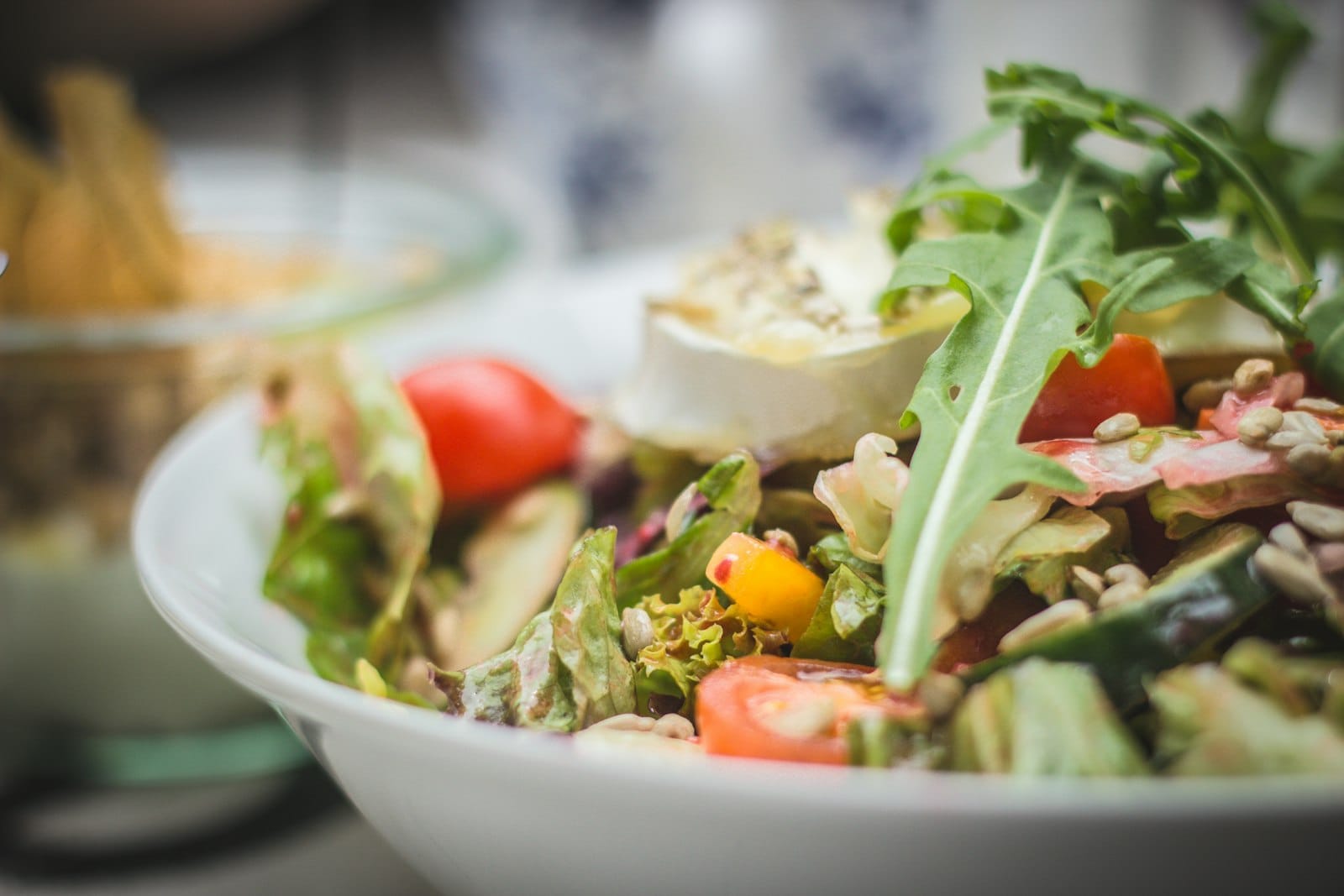
    A fresh vegetable salad bowl

    The catch: not all vegan food is created equal

    Here is where honesty matters. A diet can be entirely plant-based and still work against your goals.

    Vegan pastries, fried foods, sugary drinks, chips and refined snacks are all “plant-based” — but they are calorie-dense and easy to overeat. Simply swapping to vegan versions of junk food will not help you manage your weight. The plant-based label is not a free pass; as with any way of eating, overall balance and portion size are what count.
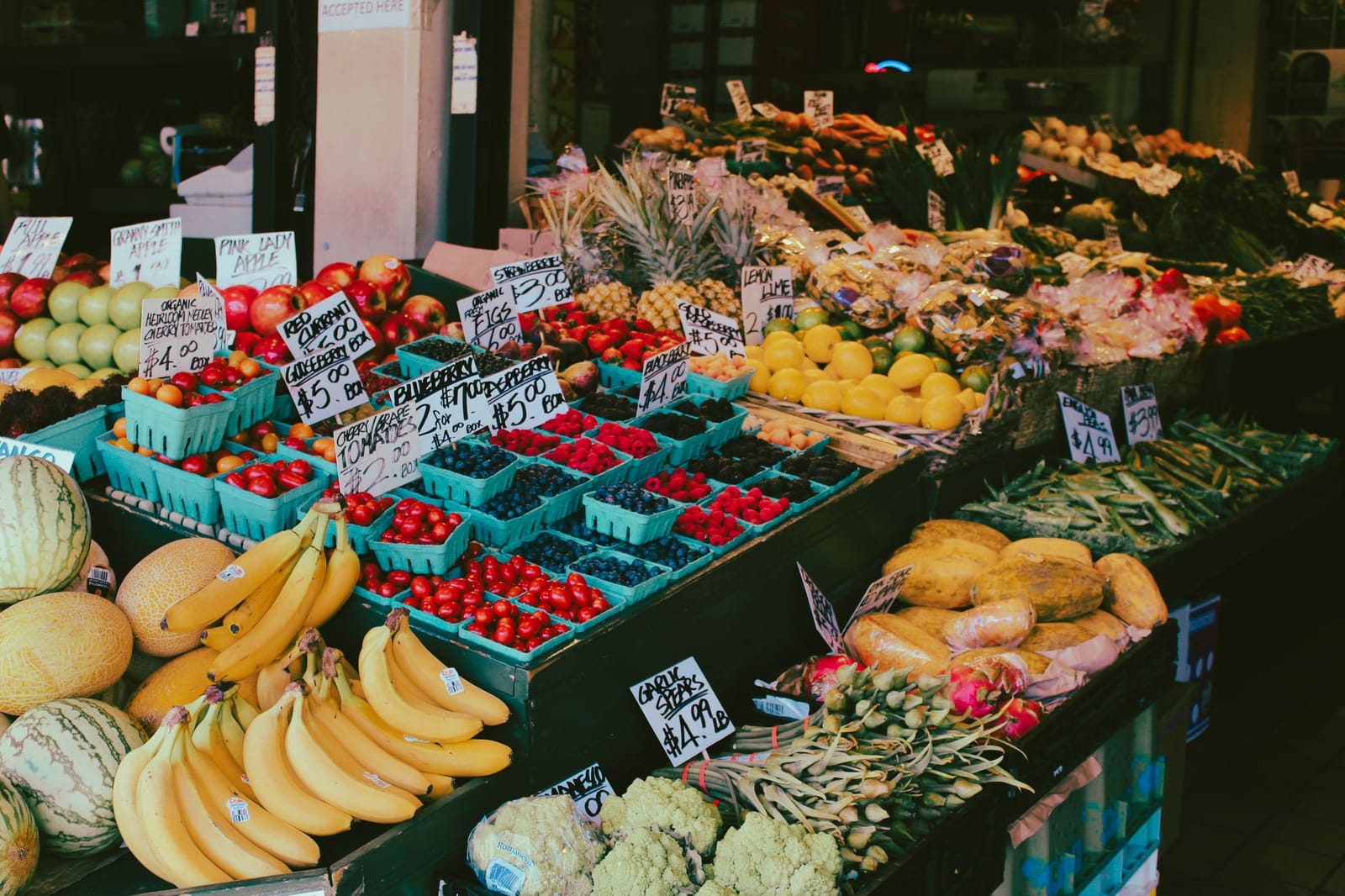
    Fresh vegetables and fruit

    What the evidence suggests

    Research generally links wholefood plant-based and vegetarian diets with lower average body weight and a reduced risk of several chronic conditions. That is encouraging — but the emphasis is firmly on wholefood.

    The people who see benefits are typically eating plenty of vegetables, legumes, fruit and wholegrains, not living on processed vegan treats. For a trustworthy overview of healthy, sustainable weight management, Healthdirect covers weight loss and dieting in a balanced way.

    It is also worth keeping expectations realistic. Any healthy change works best when it is gradual and sustainable rather than a crash approach — slow, steady progress is far easier to maintain than a dramatic short-term diet. A plant-based way of eating can be a genuinely enjoyable long-term habit, which is exactly what makes it work for so many people.
    Fibre-rich legumes, beans and lentils

    Building a weight-friendly plant plate

    If your goal is weight management, the way you build your plate matters more than any single food. A simple, filling template works well.

    Portion of plateFill it withExamples
    ½ plateVegetables & saladGreens, roast veg, tomato, capsicum
    ¼ plateWholegrains / starchy vegBrown rice, quinoa, sweet potato
    ¼ platePlant proteinLegumes, tofu, tempeh
    A littleHealthy fatsAvocado, nuts, seeds, olive oil
    A simple, satisfying template for a balanced plant-based plate.

    This kind of plate is naturally high in fibre and volume, so it fills you up — while still being rich in nutrients and flavour.

    The beauty of this template is its flexibility. It works just as well for a warming winter bowl of roast vegetables, quinoa and chickpeas as it does for a summer salad with tofu and avocado. You are not following a rigid diet so much as a loose, generous guide — one that leaves plenty of room for the food you actually enjoy while keeping the overall balance right.
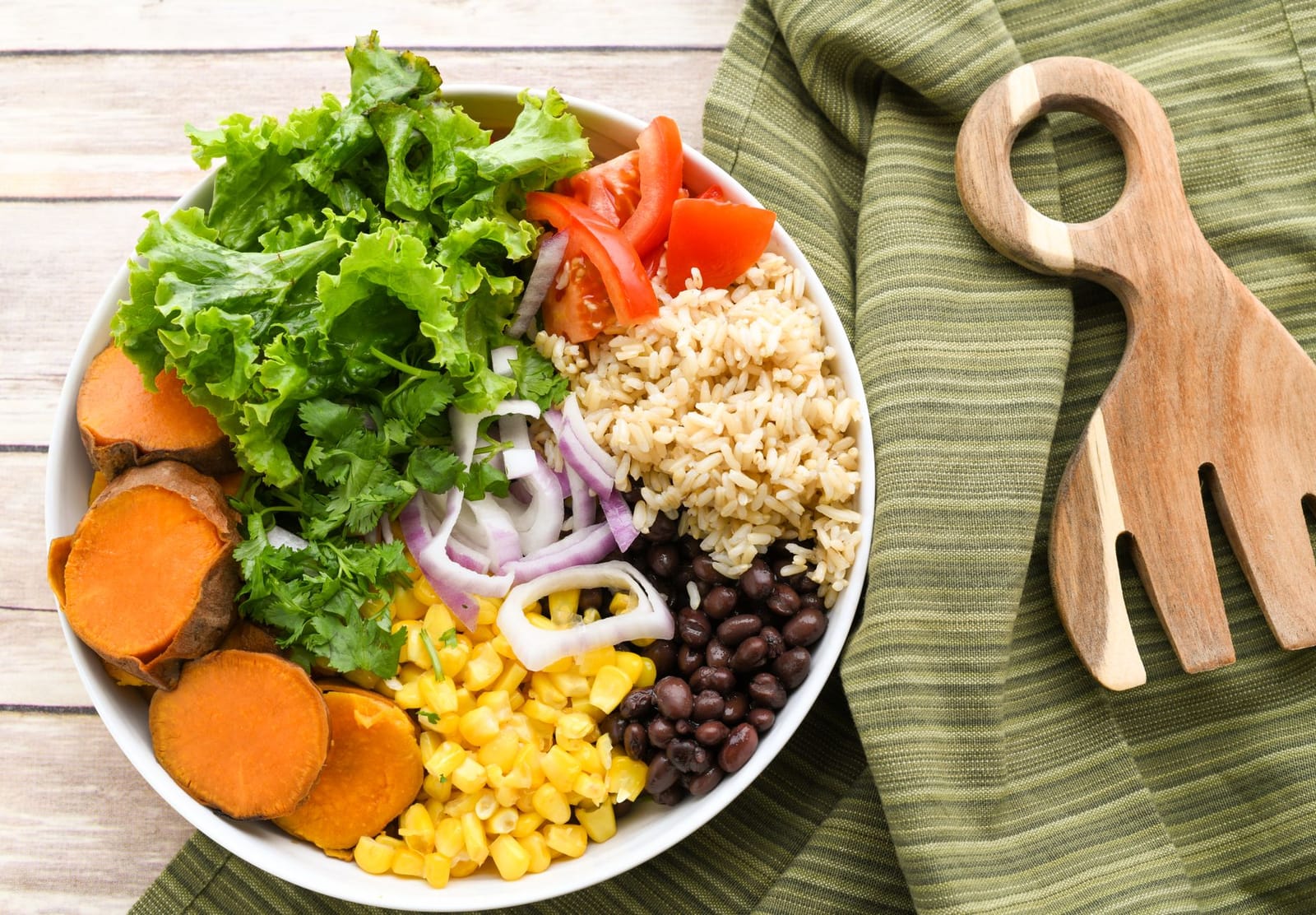
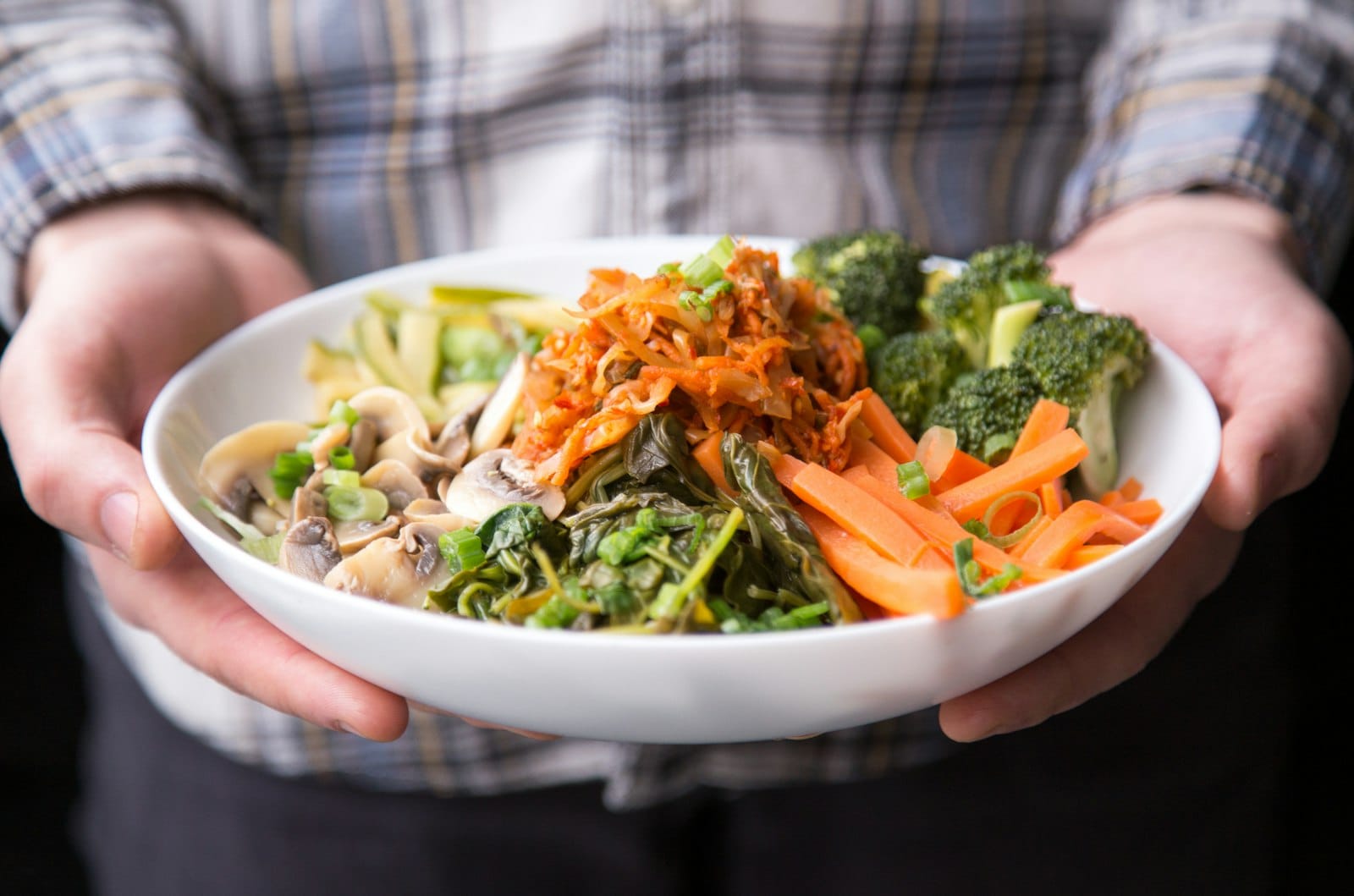
    A balanced plant-based buddha bowl

    Sensible habits that help

    Beyond what is on your plate, a few gentle habits make a plant-based diet even more supportive of your goals.

    Lean on whole foods over processed ones, be mindful of liquid calories like sweet drinks, and pay attention to your hunger and fullness rather than eating on autopilot. Cooking at home more often naturally trims back the extras. None of this needs to be extreme — small, consistent choices add up over time.
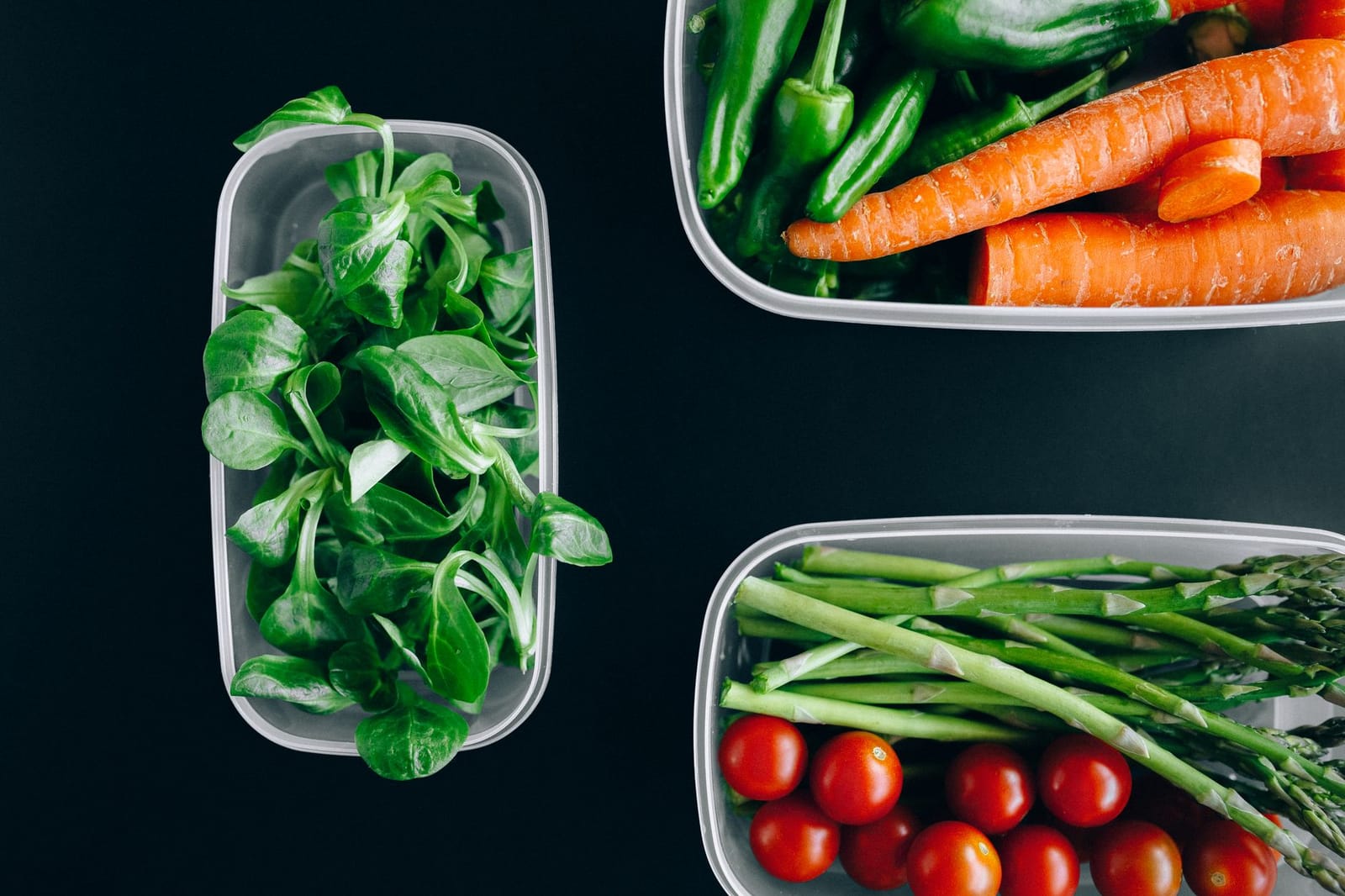
    Healthy plant-based meal prep

    A few myths worth clearing up

    Plenty of confusing claims swirl around plant-based eating and weight, so it is worth setting a few straight.

    The idea that “carbs are the enemy” does not hold up — wholegrains, legumes and starchy vegetables are filling, fibre-rich and a healthy part of the picture. The belief that you cannot get enough protein to stay full on plants is another myth; tofu, tempeh, legumes and seeds do the job well, as our guide to vegan protein explains.

    Perhaps the biggest myth is that going vegan guarantees weight loss. It does not — a balanced, wholefood approach does the work, not the label itself. Ditch the extremes and quick fixes, focus on real food you enjoy, and you set yourself up for results that actually last.

    Eat well, feel good

    Ultimately, the best diet is one that is balanced, sustainable and genuinely enjoyable. A wholefood plant-based way of eating ticks all three boxes for many people — supporting a healthy weight while being kind to your body and the planet.

    At The Cardamom Pod in Southport, our menu is built around fresh, wholefood plant-based cooking — vibrant bowls, salads and dishes that prove healthy food can be a genuine pleasure. Browse our full plant-based menu, or book a table at The Brickworks in Southport.
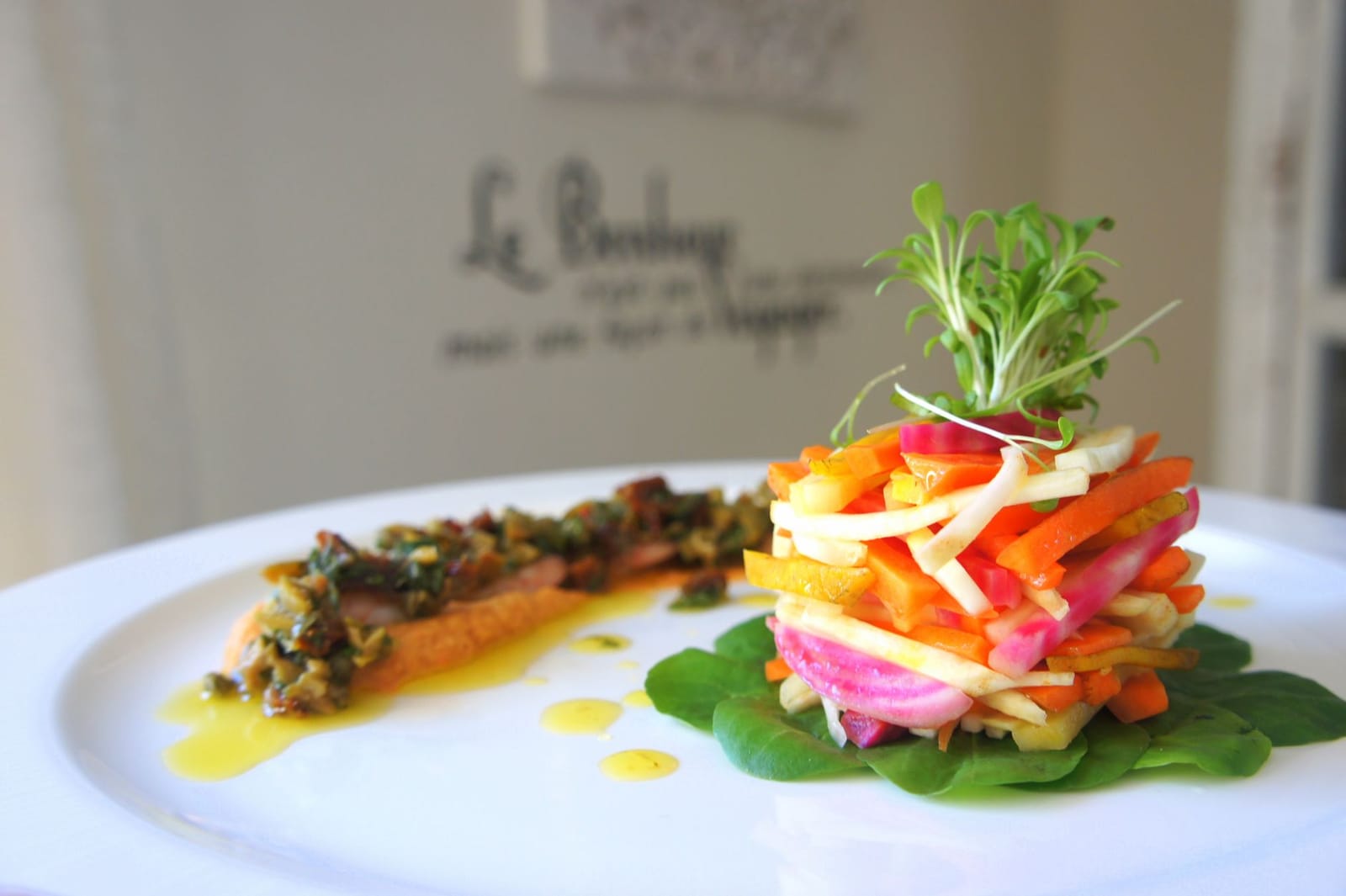
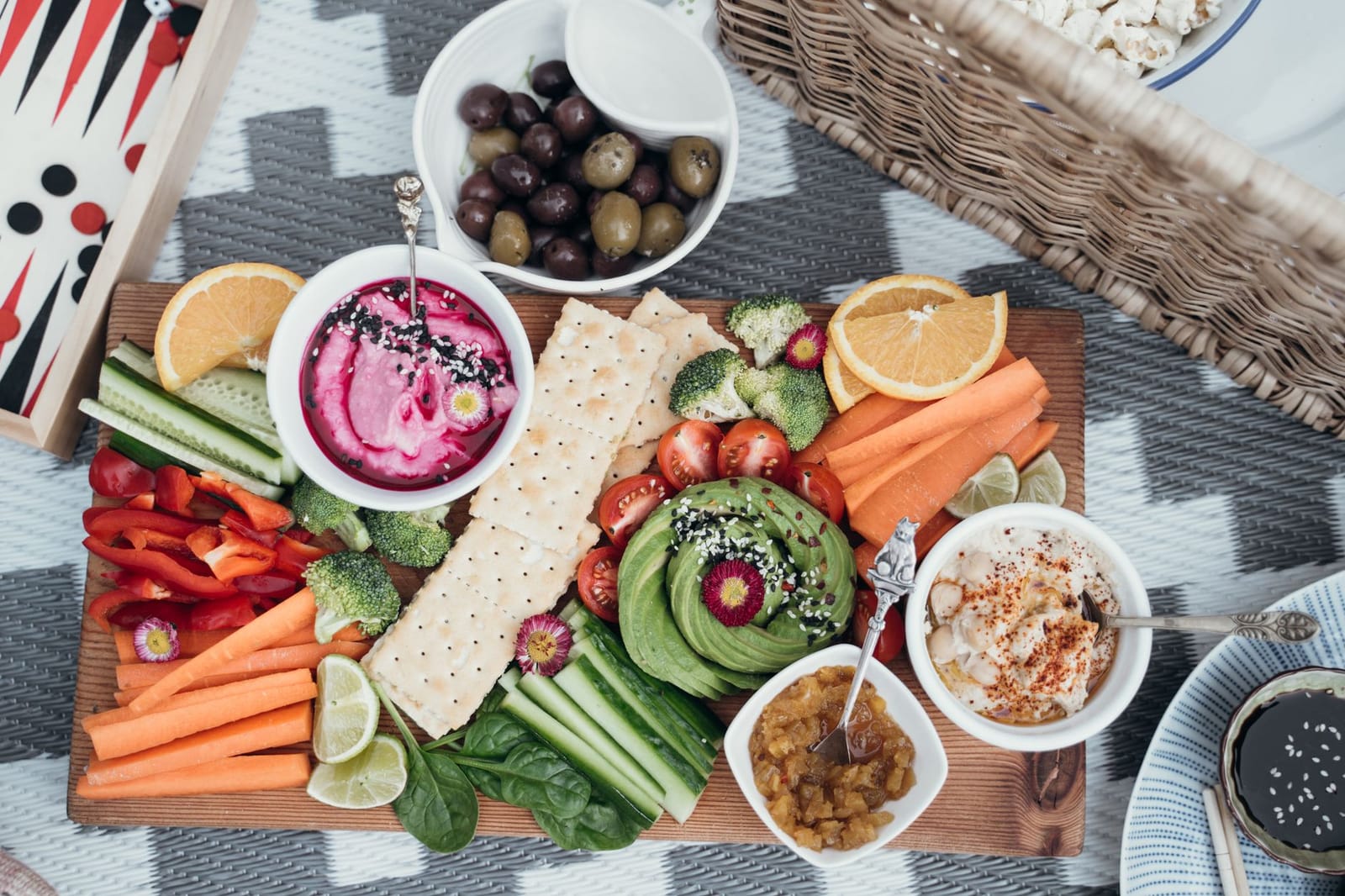
    A balanced, colourful vegetable plate

    Frequently asked questions

    Does going plant-based automatically help you lose weight?

    Not automatically. A wholefood plant-based diet rich in vegetables, legumes and wholegrains tends to support weight management, but plant-based junk food and large portions can still lead to weight gain. The quality of the food matters most.

    Why might a plant-based diet aid weight management?

    Whole plant foods are typically high in fibre and water and lower in calorie density, so they help you feel full on fewer calories. They also encourage more home cooking and fewer highly processed foods.

    Can you gain weight on a vegan diet?

    Yes. Vegan pastries, fried foods, sugary drinks and refined snacks are all plant-based but calorie-dense. As with any way of eating, overall balance and portions determine weight, not the vegan label alone.

    What should a weight-friendly plant-based plate look like?

    Aim for half your plate as vegetables, a quarter as wholegrains or starchy vegetables, and a quarter as plant protein like legumes, tofu or tempeh, with a little healthy fat. This balance is filling and nutrient-rich.

    Should I see a professional before changing my diet?

    It is a good idea, especially if you have health conditions or specific goals. An accredited dietitian can help you plan a balanced plant-based diet that supports your weight and overall health safely.

    Keep exploring

    For more, read our guides to the best vegan protein sources, easy vegan breakfast ideas, and healthy cafes on the Gold Coast.
  • Homemade Plant-Based Granola: A Simple Recipe

    Homemade Plant-Based Granola: A Simple Recipe

    There is nothing quite like a jar of homemade granola on the shelf. The kitchen smells incredible while it bakes, the clusters are golden and crunchy, and you know exactly what went into it.

    Best of all, it is genuinely easy — one bowl, one tray, and about half an hour. This simple plant-based granola recipe is naturally sweetened, endlessly adaptable, and far better than most shop-bought versions.

    Make a batch once and you may never buy granola again.

    Why make your own granola?

    Shop-bought granola can be surprisingly high in added sugar and oil, and often costs a premium for the privilege. Making your own puts you firmly in control.

    You choose the sweetness, the oil, and every nut and seed that goes in — and you skip the preservatives entirely. It is cheaper, fresher and infinitely customisable to your taste. Oats, the base of any good granola, are also a brilliant wholegrain; Healthline rounds up the benefits of oats if you are curious.

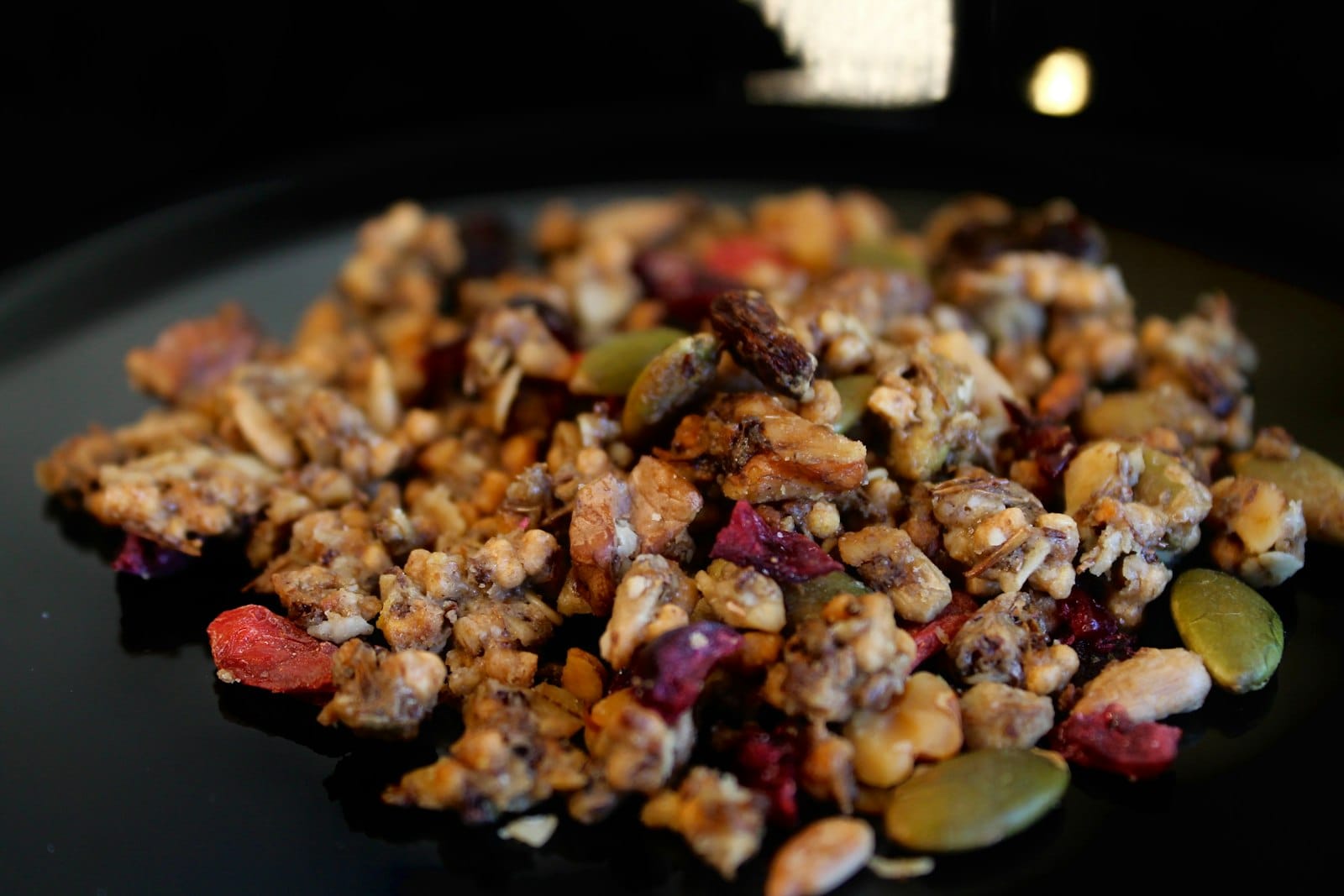
    Oats, nuts and seeds for making granola

    Ingredients

    This recipe makes a big jar of granola with pantry staples you likely already have.

    • 3 cups rolled oats (the crunchy base)
    • 1 cup mixed nuts, roughly chopped (almonds, walnuts, pecans)
    • ½ cup mixed seeds (pumpkin, sunflower, chia)
    • ⅓ cup maple syrup (or agave)
    • ⅓ cup coconut oil, melted (or another mild oil)
    • 1 teaspoon vanilla and a pinch of salt
    • 1 teaspoon cinnamon (optional, but lovely)
    • ½ cup dried fruit, added after baking (optional)
    Maple syrup drizzled over granola mixture

    Step-by-step method

    The method could not be simpler — the only trick is in how you handle the tray.

    1. Preheat your oven to 160°C and line a large baking tray with paper.
    2. Mix the dry ingredients: combine the oats, nuts, seeds, salt and cinnamon in a big bowl.
    3. Add the wet: pour over the maple syrup, melted oil and vanilla, and stir until everything is evenly coated.
    4. Press onto the tray: spread the mixture out and press it down firmly — this is how you get clusters.
    5. Bake for 20–25 minutes, turning the tray once, until golden. Stir as little as possible.
    6. Cool completely before breaking into clusters and stirring through any dried fruit.
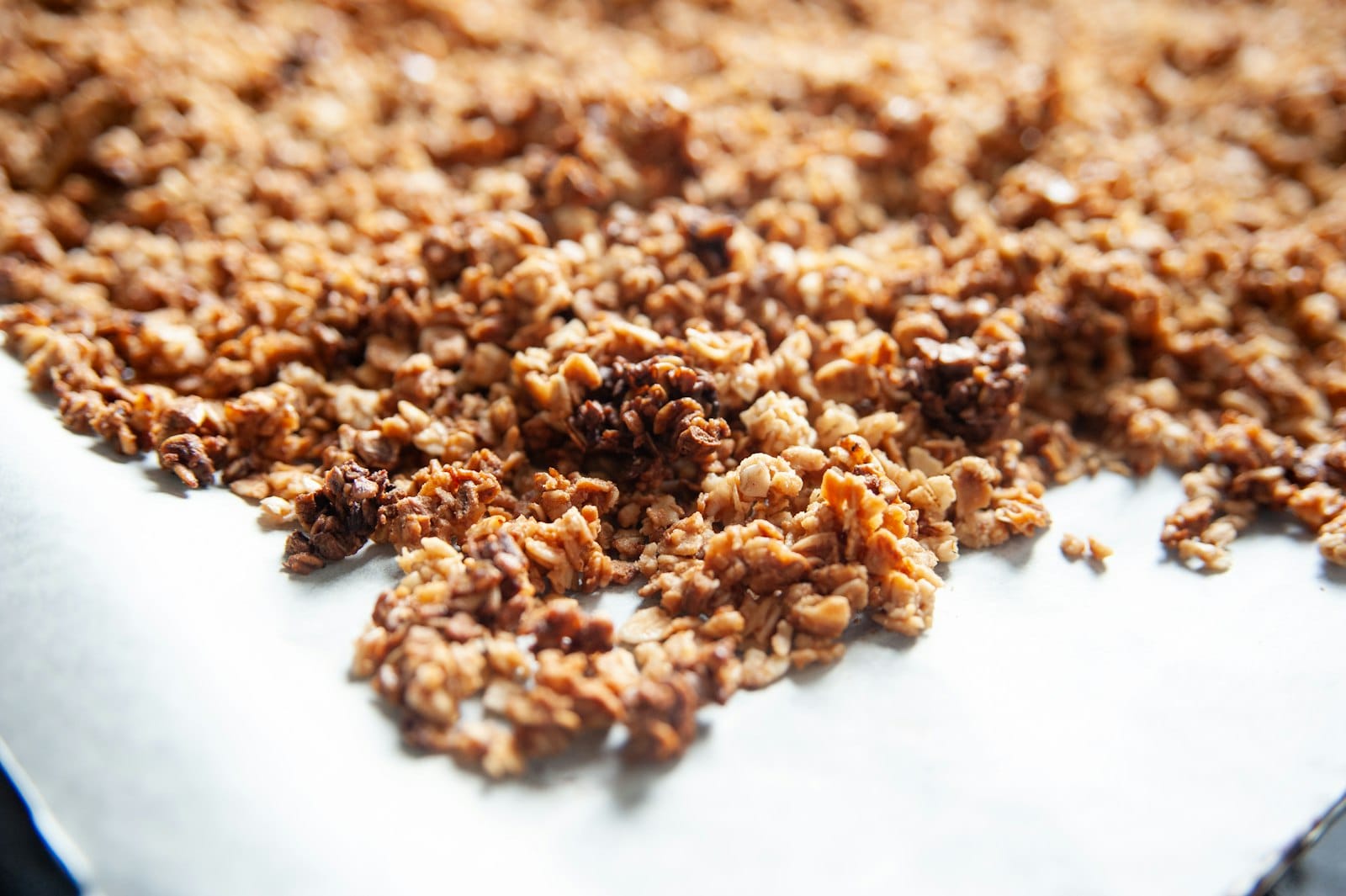
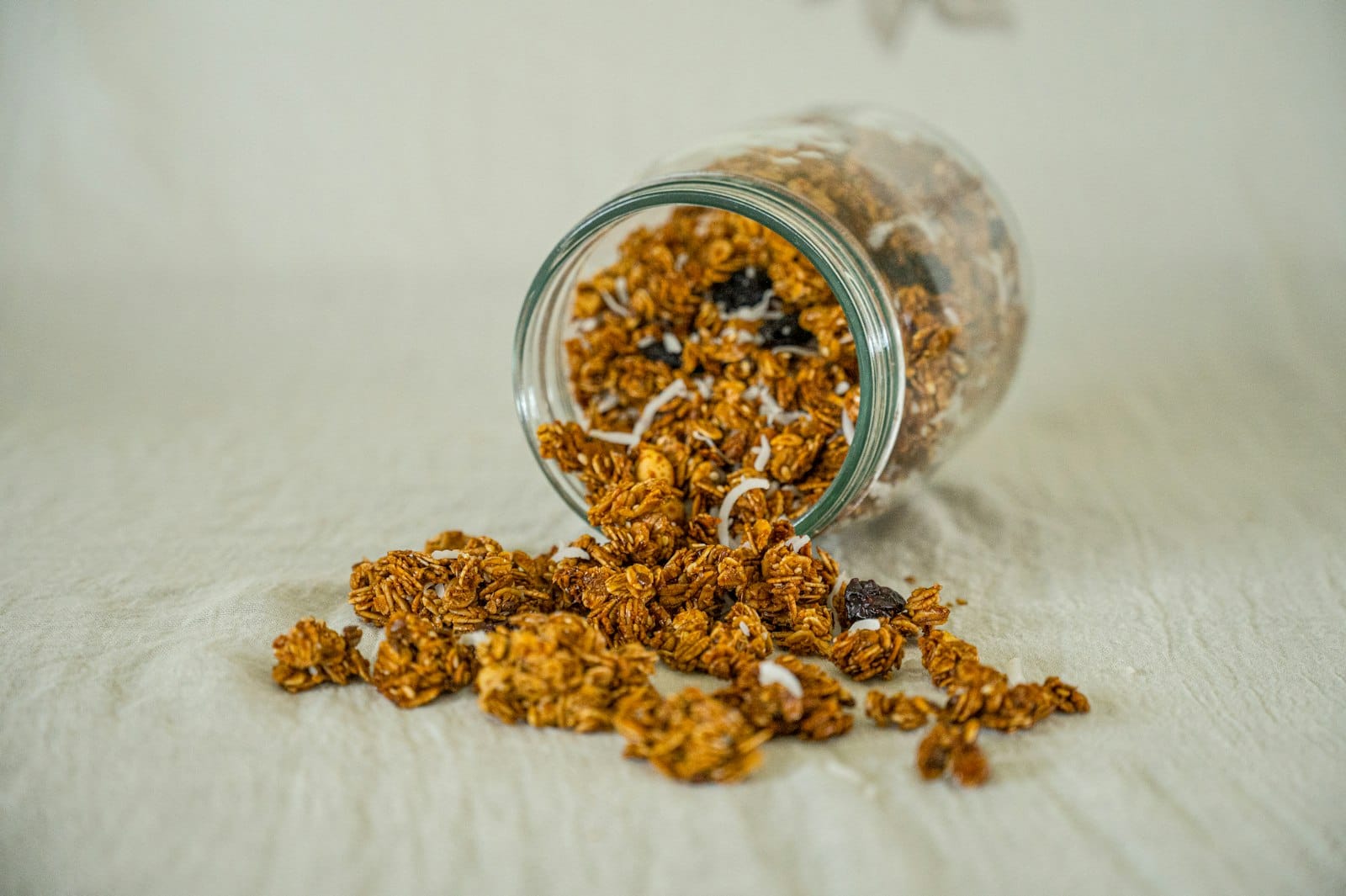
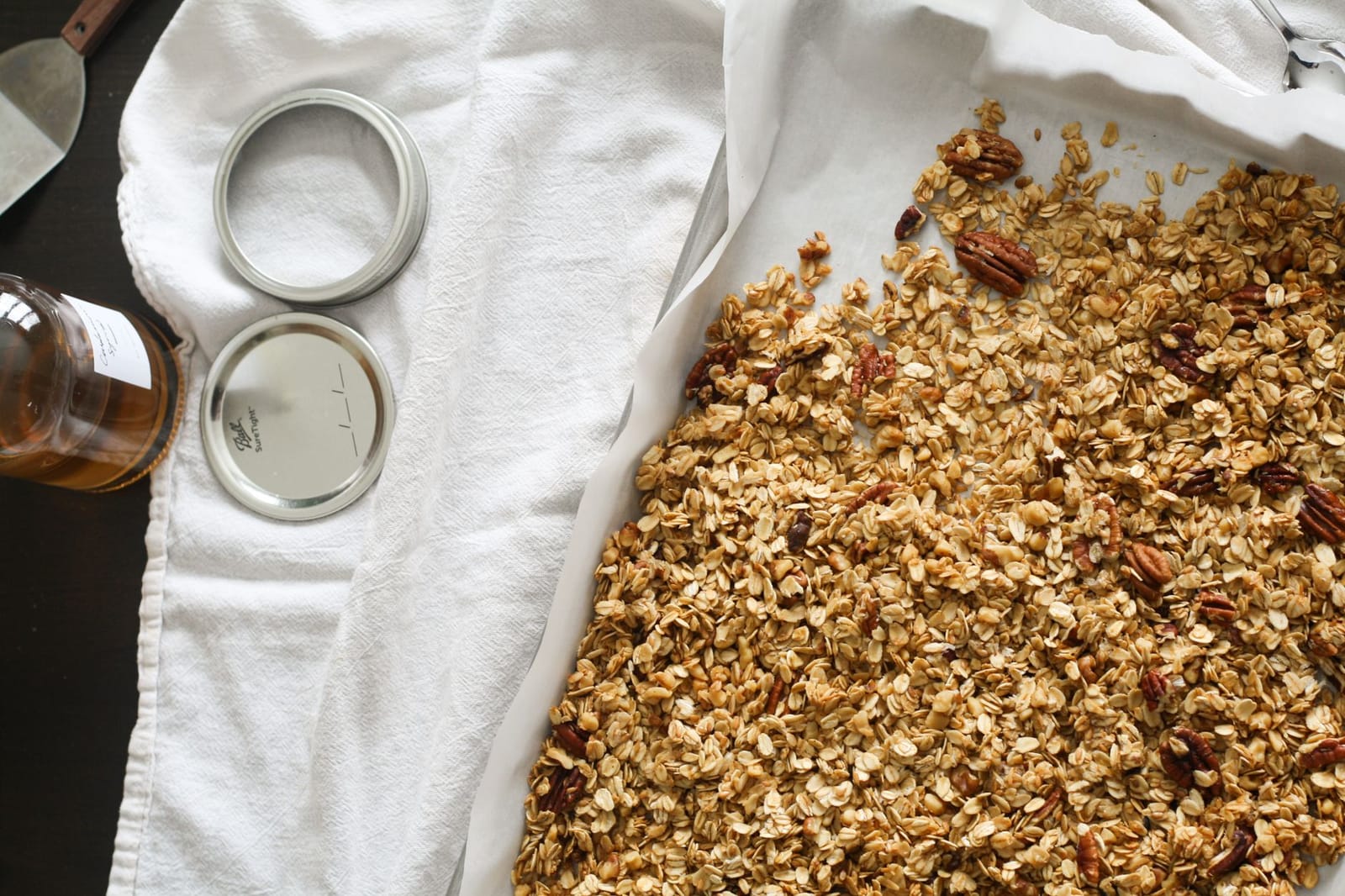
    Granola spread on a baking tray

    The secret to big, crunchy clusters

    Everyone loves those satisfying granola clusters, and getting them is easier than you think — it just takes a little restraint.

    The two golden rules are: press the mixture down firmly before baking, and resist the urge to stir it constantly. The more you disturb it, the more it breaks apart. Most importantly, let the granola cool completely on the tray before you touch it — the clusters set hard as they cool. Break it up too early and you will end up with loose crumbs instead of clusters.

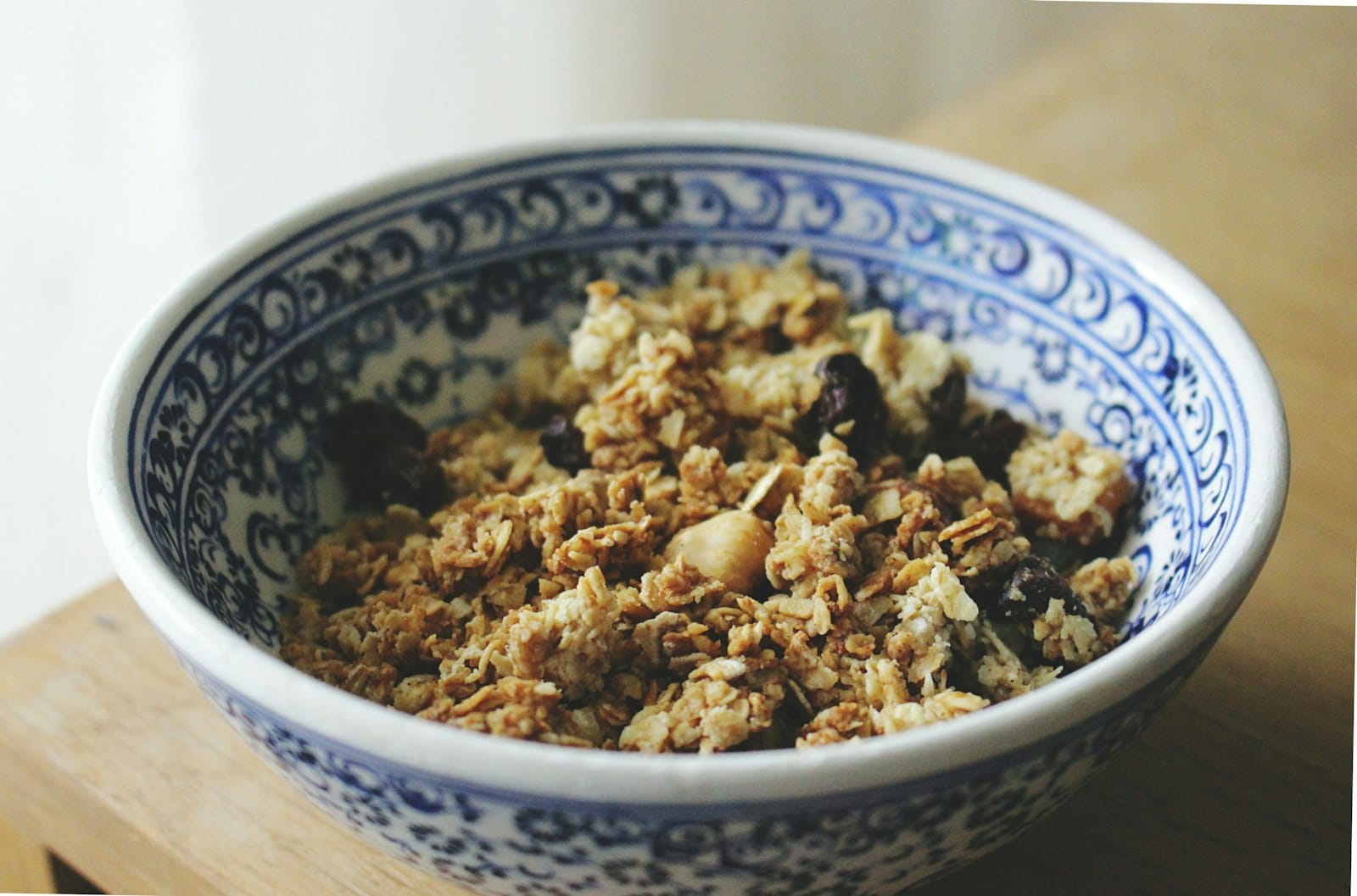
    Close-up of golden granola clusters

    Make it your own

    Once you have the basic ratio, this recipe is a playground. Treat the oats, syrup and oil as your constant, then swap everything else to taste.

    Go tropical with coconut flakes, macadamias and dried mango; make it chocolatey with cacao nibs stirred in after baking; or keep it simple and nutty. A little cardamom or ginger adds a warm, fragrant twist. Whatever you choose, the method stays exactly the same.

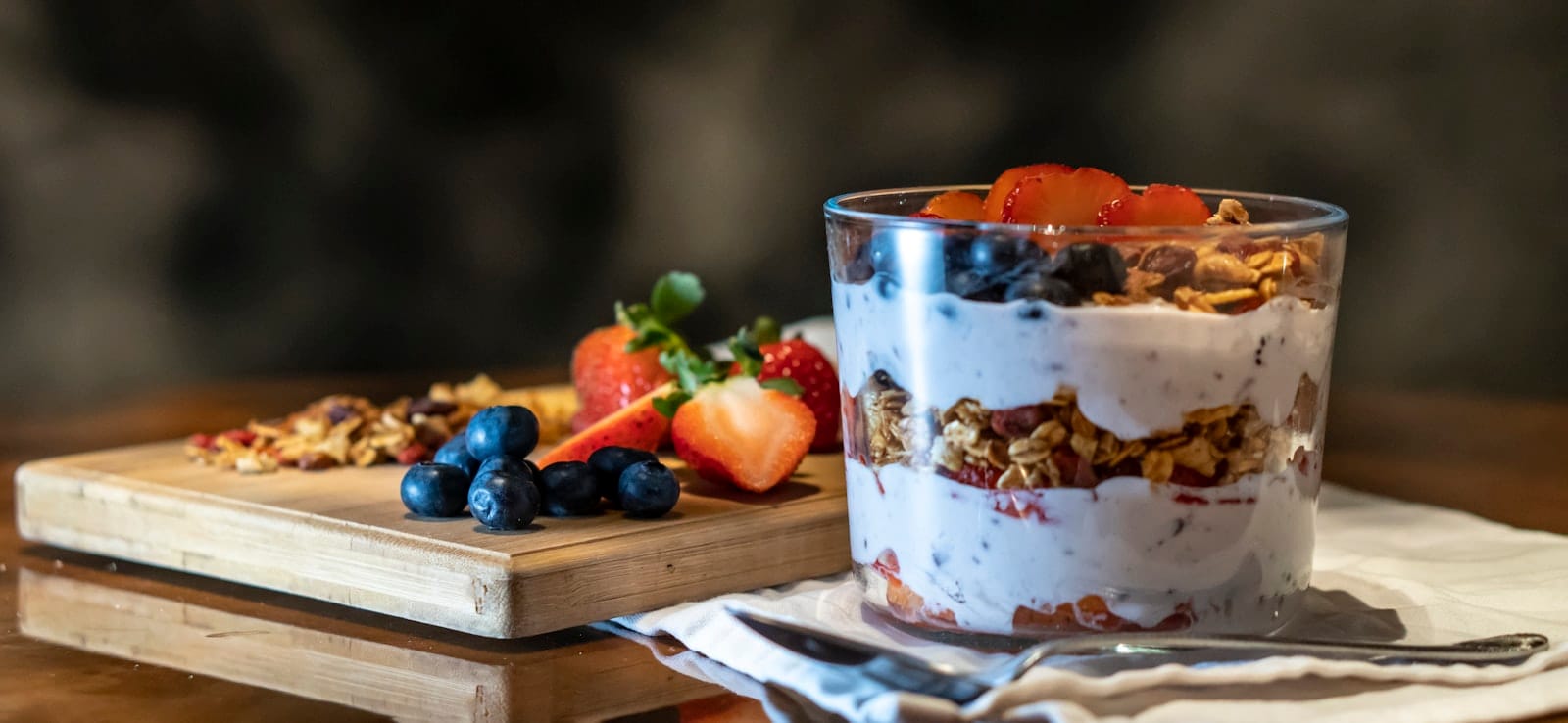
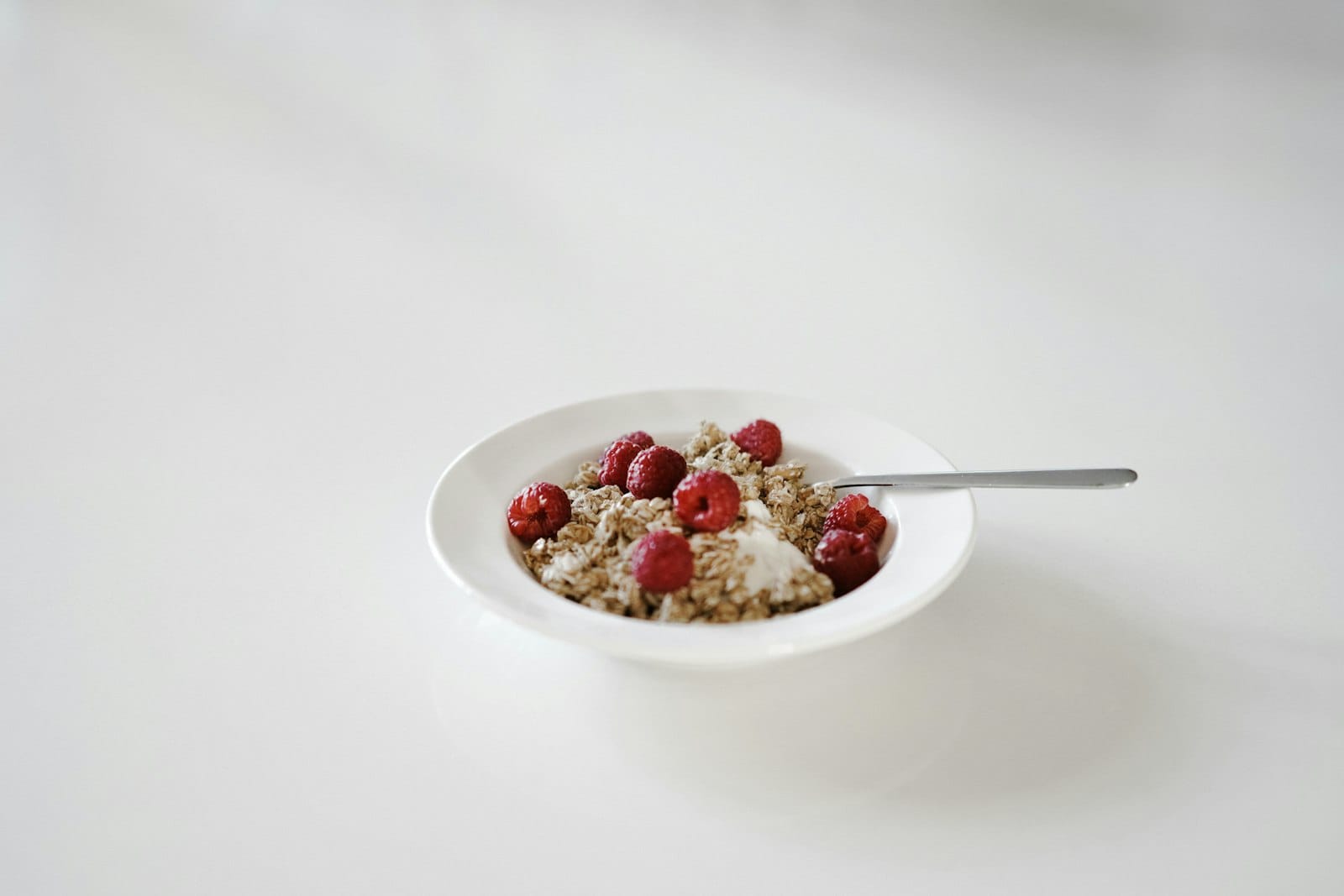
    Granola served over coconut yoghurt and berries

    How to enjoy your granola

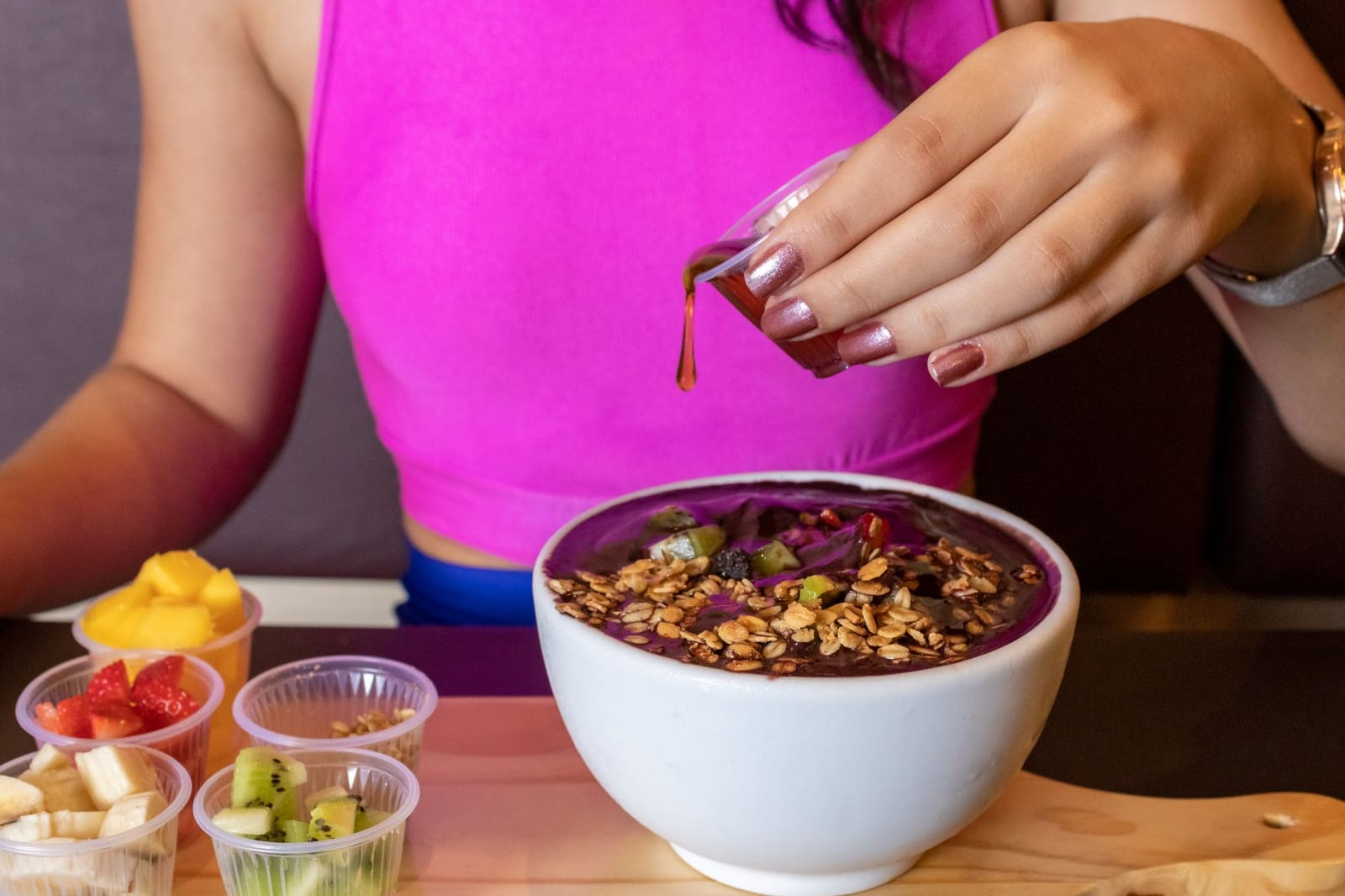
    A good granola is wonderfully versatile. Sprinkle it over coconut yoghurt with fresh berries, pour on plant milk for a classic bowl, or scatter it across a smoothie or açaí bowl for extra crunch.

    It also makes a lovely gift — spooned into a jar with a ribbon, homemade granola is always a welcome present. Store yours in an airtight container and it will stay crisp for weeks, though in most households it disappears long before that.

    For a wholesome snack on the go, keep a small handful in a container in your bag — it beats a shop-bought muesli bar and costs a fraction of the price. Granola really is one of those small kitchen wins that pays you back every single morning.

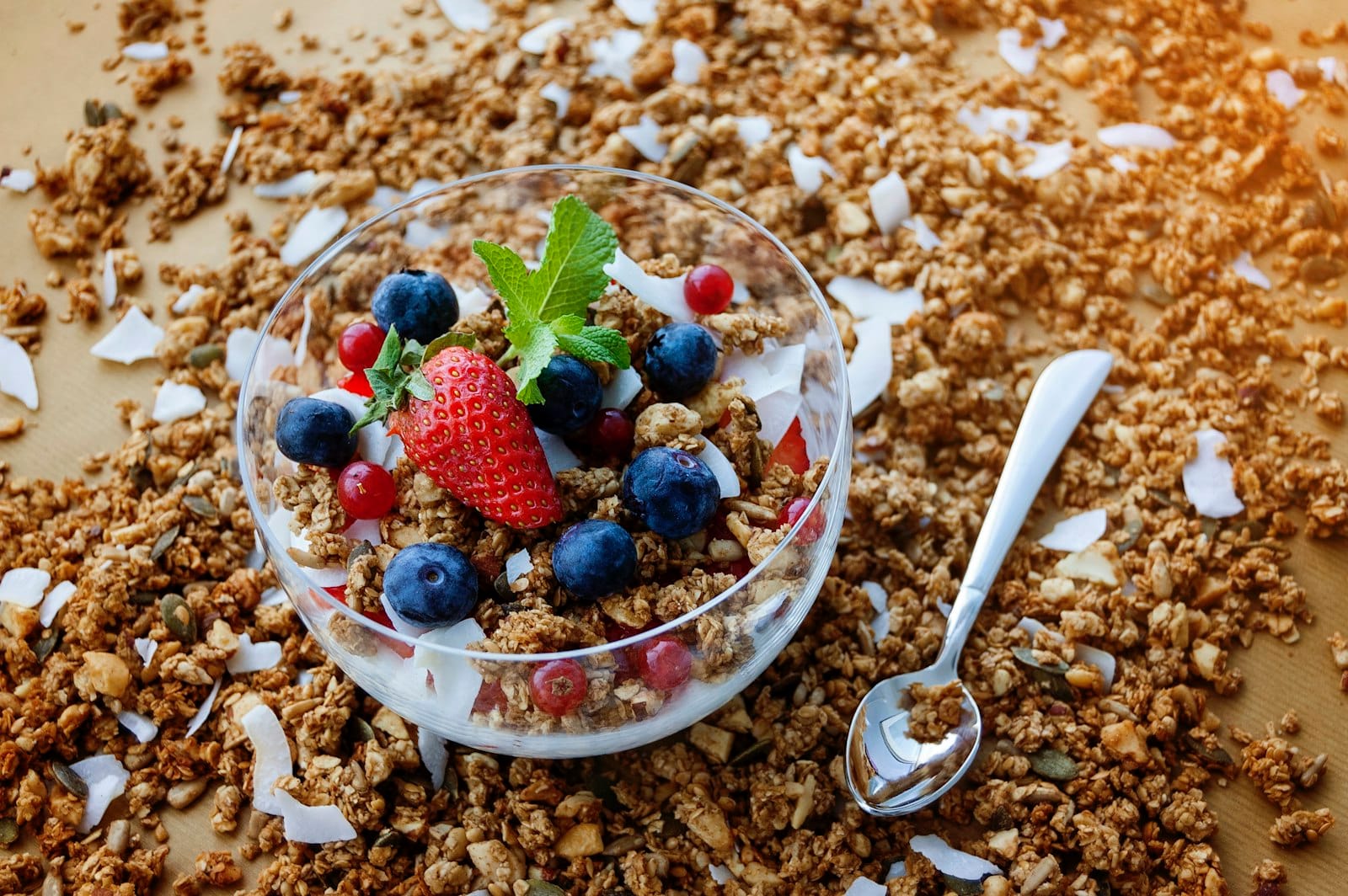
    Granola breakfast with fruit and plant milk

    Troubleshooting your granola

    Granola is forgiving, but if your first batch is not quite right, the fix is usually simple.

    If it turns out soft rather than crunchy, it most likely needed a few more minutes in the oven, or was broken up before it cooled — remember, it crisps as it cools, not while it is warm. If the edges catch and burn, your oven may run hot; drop the temperature slightly and turn the tray halfway through baking.

    Not clustering? Press the mixture down more firmly before baking and stir it less. And if it tastes a little flat, a bigger pinch of salt or a touch more vanilla and cinnamon lifts everything. Granola rewards small adjustments, so treat your first batch as a guide and tweak from there — you will have it perfect in no time.

    Prefer yours made for you?

    Baking granola at home is a joy, but on the days you would rather be served, come and see us. At The Cardamom Pod in Southport, house-made granola features across our breakfast bowls and açaí creations.

    It is a delicious benchmark for your own batch. Browse our full plant-based menu, or book a table at The Brickworks in Southport.

    Frequently asked questions

    How do you make granola clustery and crunchy?

    Press the mixture firmly onto the tray, do not stir it too often while baking, and let it cool completely before breaking it up. The clusters set as the granola cools, so patience is the real secret.

    Is homemade granola healthier than shop-bought?

    It usually is, because you control the ingredients. Homemade granola lets you cut back on added sugar and oil, choose wholesome nuts and seeds, and skip preservatives, all while tasting far fresher.

    How long does homemade granola last?

    Stored in an airtight container at room temperature, homemade granola keeps well for two to three weeks. You can also freeze it for a few months, making it easy to keep a batch on hand.

    What can I use instead of oil in granola?

    You can reduce or replace the oil with a little extra maple syrup, mashed banana or apple sauce, though a small amount of oil does help with crispness and clustering. Coconut oil is a popular plant-based choice.

    Is granola vegan?

    It can be, but not always — some brands use honey. This recipe is fully plant-based, sweetened with maple syrup, so it is suitable for vegans. Always check labels on shop-bought versions.

    Keep exploring

    For more, read our guides to how to make the perfect açaí bowl, easy vegan breakfast ideas, and vegan kitchen staples.

  • Easy Vegan Breakfast Ideas to Start Your Day

    Easy Vegan Breakfast Ideas to Start Your Day

    Breakfast really can be the best meal of the day — and eating plant-based makes it no harder to get right. Whether you have five spare minutes or a slow weekend morning, there is an easy vegan breakfast to suit.

    From make-ahead oats to a warming tofu scramble, these ideas are simple, satisfying and genuinely delicious. This guide rounds up our favourites, with tips to make busy mornings effortless.

    However you like to start your day, there is something here to look forward to.

    Quick vegan breakfasts at a glance

    Short on time? Here are some of the easiest options and why they work.

    BreakfastWhy it worksMake ahead?
    Overnight oatsFibre + protein, zero morning effortYes
    Chia puddingOmega-3s, thick and fillingYes
    Smoothie bowlFruit, greens & a protein hitPartly
    Tofu scrambleHigh-protein, savoury, warmingReheats well
    Avocado toastHealthy fats, ready in minutesNo
    Easy vegan breakfasts and how to fit them into a busy morning.

    Below, we look at each in a little more detail. For the bigger picture on balanced eating, Healthdirect has a helpful guide to healthy eating.

    Overnight oats in a jar topped with berries

    Overnight oats: the ultimate make-ahead

    If you only master one vegan breakfast, make it overnight oats. They take two minutes to throw together the night before and are ready and waiting when you wake up.

    The basic formula is simple: combine rolled oats with plant milk (and a spoon of chia if you like), then leave in the fridge overnight. In the morning, top with fruit, nut butter, seeds or a drizzle of maple syrup. Endlessly customisable, naturally filling, and perfect for grabbing on the way out the door.

    You can prepare several jars at once on a Sunday for the week ahead, changing the toppings each day so it never gets boring. Warm them gently in cooler months, or enjoy them cold and refreshing in summer — either way, breakfast is quite literally done before you have even woken up.

    Chia pudding in a jar with fruit

    Tofu scramble: a savoury, high-protein start

    When you fancy something warm and savoury, tofu scramble is the plant-based answer to scrambled eggs — and it is packed with protein.

    Simply crumble firm tofu into a hot pan, add a pinch of turmeric for colour, a little nutritional yeast for a savoury depth, and any vegetables you like. Serve on toast or in a wrap. It is hearty, satisfying and comes together in under ten minutes, making it a brilliant weekend or post-workout breakfast.

    A plate of tofu scramble

    Smoothie & açaí bowls: breakfast you can build

    For something refreshing and vibrant, a blended bowl is hard to beat. Whizz frozen fruit with a little plant milk until thick, pour into a bowl, and pile on your favourite toppings.

    Add a handful of spinach for a hidden greens boost, or a scoop of protein powder to keep you fuller for longer. Granola, seeds and fresh fruit finish it beautifully. It is a breakfast that feels like a treat but genuinely fuels your morning.

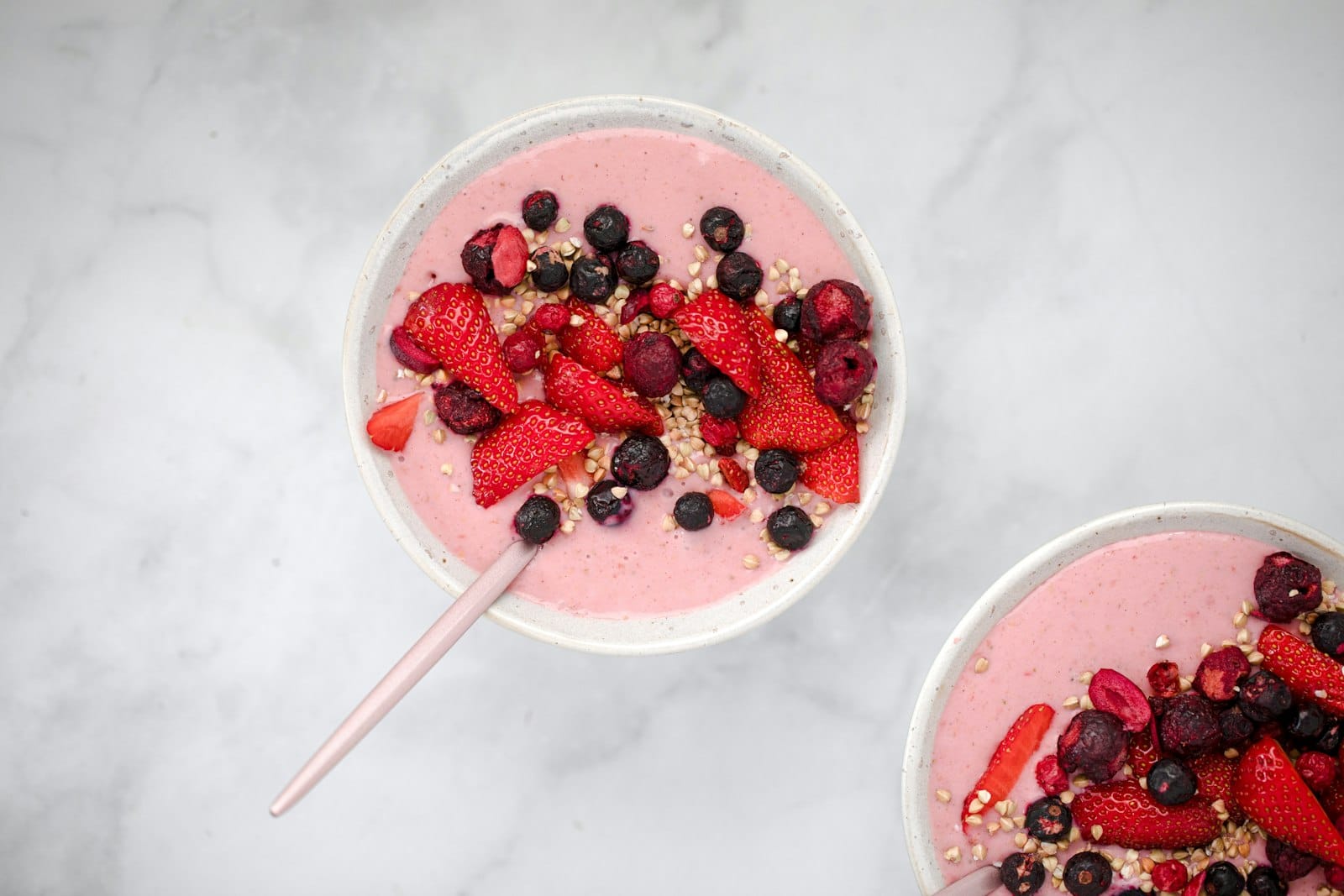
    A colourful smoothie bowl breakfast

    Toast, done properly

    Never underestimate a good piece of toast. On a busy morning, wholegrain toast with the right topping is fast, filling and endlessly variable.

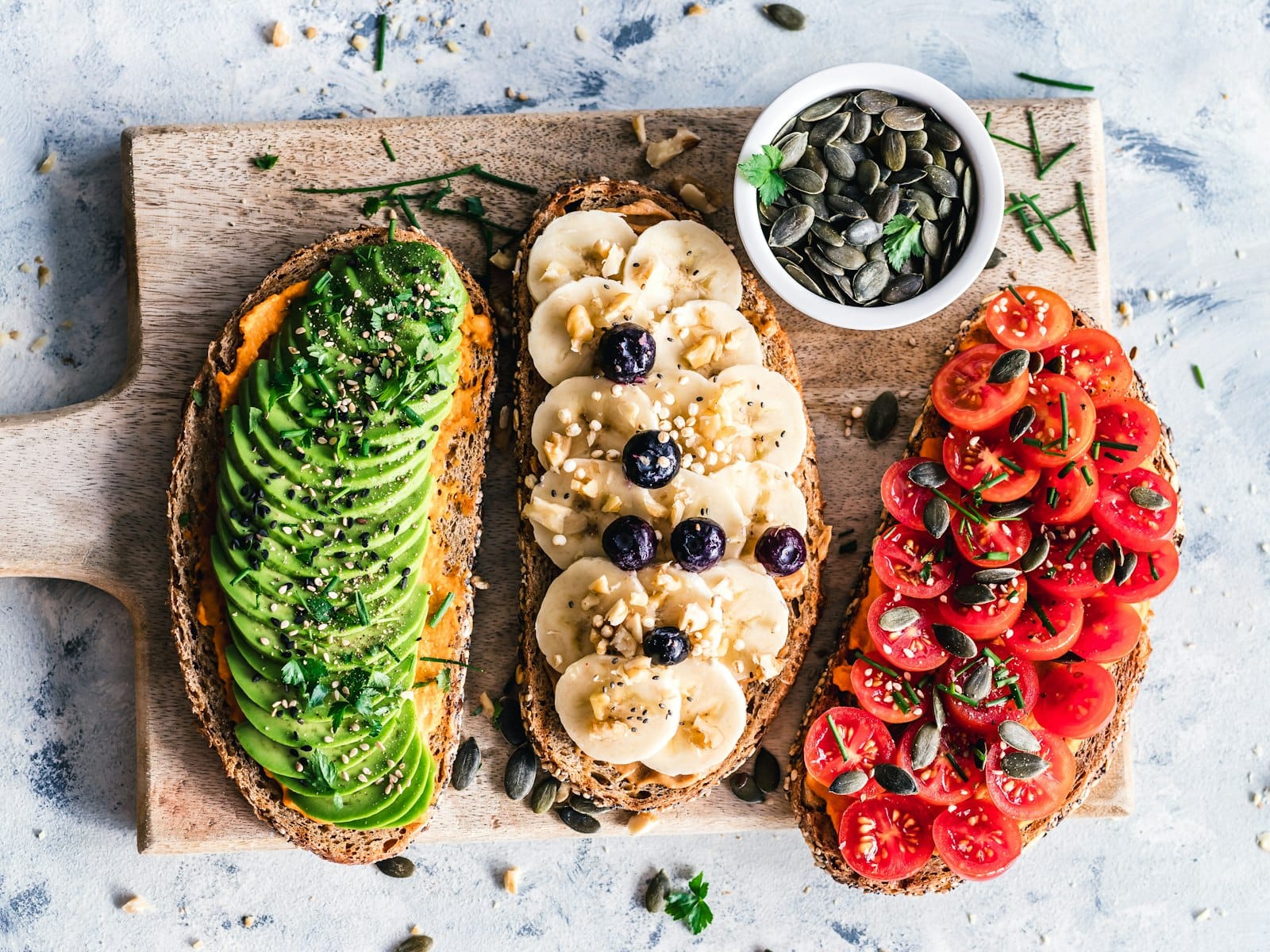
    • Smashed avocado with lemon, chilli and a sprinkle of seeds
    • Peanut butter and banana for a sweet, satisfying start
    • Baked beans for a classic, protein-rich option
    • Hummus, tomato and spinach for something savoury and fresh
    • Sautéed mushrooms with garlic and herbs
    Avocado on toast for breakfast

    Make mornings easier

    The real secret to eating a good breakfast every day is a little preparation. A few small habits mean you never have to think hard first thing.

    Batch-make overnight oats or chia pudding for several days at once, keep a jar of homemade granola on the shelf, and stash frozen banana and berries for instant smoothie bowls. Prepping just one or two things the night before turns a rushed morning into a calm one.

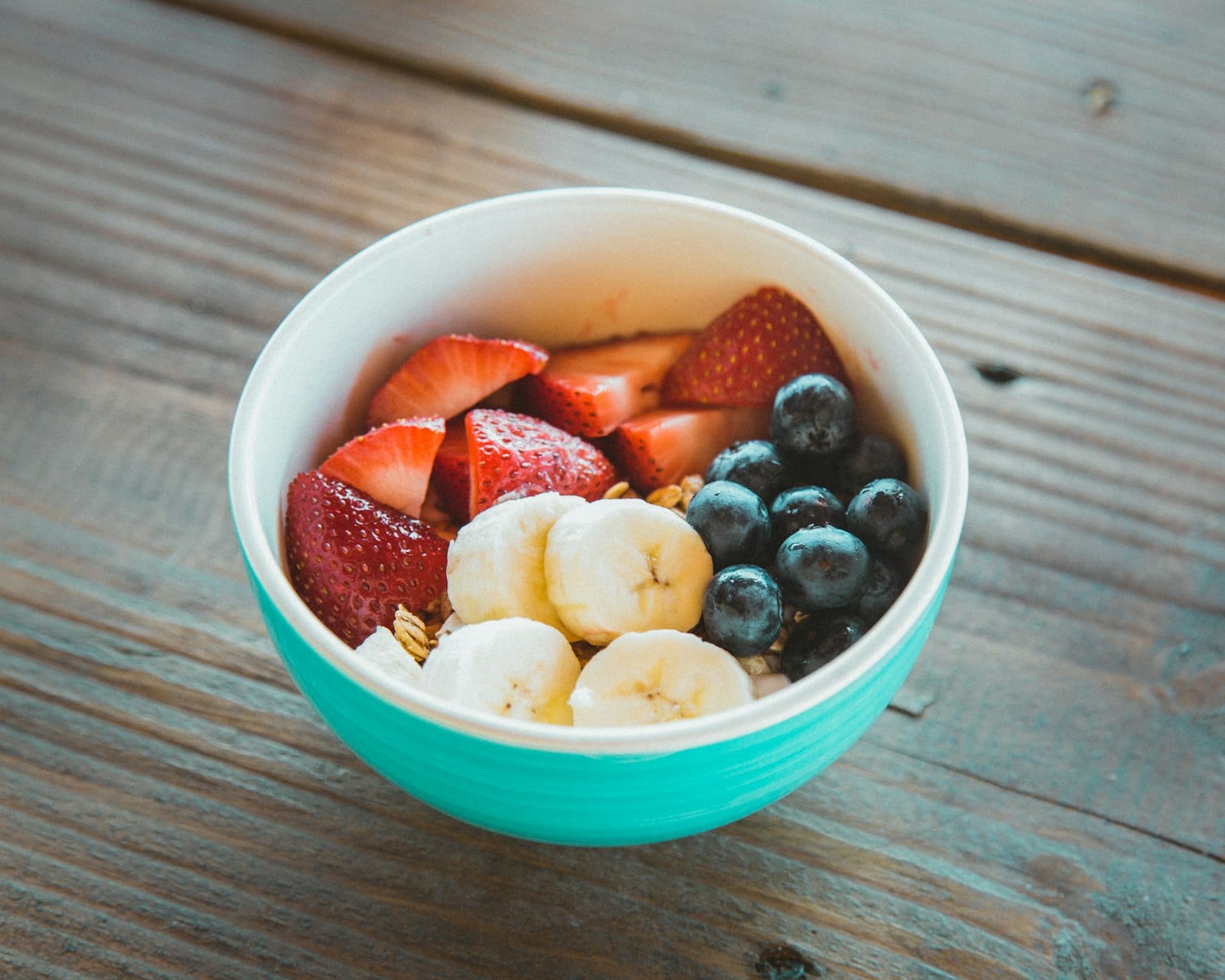
    A vegan breakfast bowl with fresh fruit

    Let us make breakfast for you

    As lovely as a home breakfast is, some mornings call for someone else to do the cooking. The Cardamom Pod in Southport is a favourite Gold Coast breakfast and brunch spot, serving vibrant plant-based bowls, sweet treats and hearty morning plates.

    It is the perfect excuse to start your day out. Browse our full plant-based menu, or book a table at The Brickworks in Southport.

    How to build a breakfast that keeps you full

    The difference between a breakfast that carries you to lunch and one that leaves you hungry by mid-morning comes down to balance. Aim to include three simple things on your plate.

    First, some slow-release carbohydrate for steady energy — oats, wholegrain toast or fruit. Second, a source of protein to keep you satisfied, such as tofu, soy milk, nut butter or seeds. Third, a little healthy fat — avocado, nuts or chia — which slows digestion and adds staying power.

    A bowl of oats with peanut butter and berries, or avocado toast with a soy latte, hits all three effortlessly. Once you start thinking in these simple building blocks, a genuinely satisfying vegan breakfast becomes second nature — no willpower required by 10am.

    It is also worth remembering that breakfast does not have to look like “breakfast”. Last night’s leftover curry with rice, a hearty soup, or a grain bowl are all perfectly good ways to start the day — and often more satisfying than something sweet. The best morning meal is simply one that is balanced, plant-powered and something you genuinely look forward to.

    Frequently asked questions

    What is a good quick vegan breakfast?

    Overnight oats, chia pudding, a smoothie bowl, avocado toast or a tofu scramble are all quick, satisfying vegan breakfasts. Several can be made the night before, so all you do in the morning is grab and go.

    How do vegans get protein at breakfast?

    Great plant-based protein options for breakfast include tofu scramble, soy milk, peanut or almond butter, chia and hemp seeds, and protein-rich oats. Adding one of these keeps you full through to lunch.

    What is a healthy vegan breakfast for weight management?

    Focus on wholefoods with fibre and protein — oats with seeds and fruit, a green smoothie bowl, or wholegrain toast with avocado and tomato. These keep you satisfied and steady on energy without being heavy.

    Can I make vegan breakfasts ahead of time?

    Absolutely. Overnight oats, chia pudding, bircher muesli and homemade granola all keep well, and batch-cooked items like baked oats or breakfast muffins freeze beautifully for busy mornings.

    What can I put on toast for a vegan breakfast?

    Smashed avocado, peanut butter and banana, baked beans, hummus and tomato, or mushrooms and spinach all make delicious vegan toast toppings — simple, fast and endlessly variable.

    Keep exploring

    For more, read our guides to the best vegan breakfast on the Gold Coast, how to make fluffy vegan pancakes, and homemade plant-based granola.

  • How to Make Fluffy Vegan Pancakes

    How to Make Fluffy Vegan Pancakes

    Light, fluffy pancakes are one of life’s simple pleasures — and you absolutely do not need eggs or dairy to make them. In fact, vegan pancakes are so good that most people never guess they are plant-based.

    The trick is understanding what makes a pancake rise, then letting a few clever swaps do the work. This easy recipe delivers tall, tender, golden pancakes every time.

    Grab a bowl and a pan — breakfast is about to get a lot better.

    Why these pancakes work

    Many people assume eggs are what make pancakes rise. In reality, the lift comes mostly from baking powder and baking soda reacting with the liquid to create tiny bubbles of gas.

    The other secret is vegan buttermilk — simply plant milk with a teaspoon of lemon juice or vinegar stirred in. The mild acidity reacts with the raising agents for an extra-fluffy result, exactly like traditional buttermilk pancakes. No eggs required.

    Once you understand this, you realise how forgiving vegan pancakes really are. There is no fiddly egg-separating or whisking of whites — just two simple bowls, a gentle stir, and a hot pan. It is one of the easiest ways to prove that plant-based cooking can be every bit as indulgent as the classic version, and it is a brilliant recipe to master early in your plant-based journey.

    Flour and dry ingredients for pancakes

    Ingredients

    This recipe makes about eight fluffy pancakes with everyday ingredients.

    • 1 cup plain flour (or a wholemeal / gluten-free blend)
    • 1 tablespoon sugar (or maple syrup)
    • 1 tablespoon baking powder
    • A pinch of salt
    • 1 cup plant milk (soy or oat work beautifully)
    • 1 teaspoon lemon juice or vinegar (to make vegan buttermilk)
    • 1 tablespoon oil or melted vegan butter
    • 1 teaspoon vanilla (optional)
    Vegan pancake batter in a mixing bowl

    Step-by-step method

    From bowl to plate in about fifteen minutes. The most important rule: do not over-mix.

    1. Make the buttermilk: stir the lemon juice into the plant milk and leave for five minutes to curdle slightly.
    2. Combine the dry ingredients: whisk the flour, sugar, baking powder and salt in a large bowl.
    3. Add the wet: pour in the buttermilk, oil and vanilla, and stir until just combined — lumps are perfectly fine.
    4. Rest the batter: let it sit for five minutes so the raising agents activate.
    5. Cook: pour rounds onto a lightly oiled pan over medium heat. Flip when bubbles form on top and the edges look set, then cook until golden.
    Pancakes cooking in a frying pan

    Tips for the fluffiest pancakes

    A few small habits make the difference between flat and fabulous.

    • Do not over-mix — a lumpy batter makes tender pancakes; a smooth one makes tough ones.
    • Use fresh baking powder — old raising agents are the number-one cause of flat pancakes.
    • Let the batter rest — five minutes gives you a noticeably better rise.
    • Medium heat, not high — too hot burns the outside before the middle cooks.
    • Do not press down — let them puff up naturally on the pan.
    Flipping a pancake with a spatula

    Toppings & flavour ideas

    A stack of vegan pancakes is a blank canvas. Keep it classic with maple syrup and fresh berries, or get creative.

    Try sliced banana and peanut butter, a spoon of coconut yoghurt with passionfruit, stewed apple and cinnamon, or a drizzle of tahini and date syrup. For something special, fold blueberries or a little cardamom straight into the batter before cooking.

    Maple syrup pouring over a stack of pancakes

    Easy variations

    Once you have the basic recipe down, it is simple to adapt for different tastes and needs.

    For gluten-free pancakes, swap the plain flour for a good gluten-free blend or oat flour. For a higher-protein stack, replace a couple of tablespoons of flour with protein powder, or stir in a spoon of nut butter. Love a banana pancake? Mash half a ripe banana into the batter for natural sweetness and extra tenderness.

    You can also make them wholemeal for a nuttier, heartier pancake — just add an extra splash of plant milk, as wholemeal flour drinks up more liquid.

    Making them ahead & storing

    Pancakes are best fresh off the pan, but they keep well when you want to get ahead.

    Cooked pancakes will happily sit in an airtight container in the fridge for a couple of days, or freeze for up to a month with a square of baking paper between each one. Reheat them in a toaster, oven or dry pan until warmed through — a far nicer result than the microwave, which can make them rubbery. A batch in the freezer means a special breakfast is never more than a few minutes away.

    Come to us for brunch

    Homemade pancakes are a weekend joy — but when you would rather be served, we would love to see you. The Cardamom Pod in Southport is a favourite Gold Coast brunch spot, with plant-based sweet treats and hearty breakfasts made fresh.

    It is the perfect way to enjoy pancakes and more without touching the washing up. Browse our full plant-based menu, or book a table at The Brickworks in Southport. For more morning inspiration, see our guide to the best vegan breakfast on the Gold Coast. You will find a lovely classic version in this BBC Good Food vegan pancakes recipe, too.

    Vegan pancakes plated with fresh berries

    Frequently asked questions

    How do vegan pancakes stay fluffy without eggs?

    The lift comes from baking powder reacting with the liquid, not from eggs. Mixing an acid like plant milk soured with a little lemon (vegan buttermilk) with baking powder and soda creates bubbles that make pancakes rise and stay light.

    What can I use instead of eggs in pancakes?

    You often need nothing at all — baking powder does the work. For extra binding you can add a flax egg (1 tablespoon ground flax plus 3 tablespoons water), a little mashed banana, or a spoon of apple sauce.

    Why are my vegan pancakes flat or dense?

    The usual culprits are over-mixing the batter, old baking powder, or a pan that is too hot or too cool. Mix until just combined (lumps are fine), use fresh raising agents, and cook over medium heat.

    What is the best plant milk for pancakes?

    Soy and oat milk work especially well because they are creamy and help create a good batter. Adding a teaspoon of lemon juice or vinegar to make a “vegan buttermilk” gives the fluffiest results.

    Can I make the batter ahead of time?

    Pancake batter is best cooked soon after mixing, while the raising agents are active. If you need to prep ahead, mix the dry and wet ingredients separately and combine just before cooking.

    Keep exploring

    For more, read our guides to how to make the perfect açaí bowl, plant-based milks compared, and vegan kitchen staples.

  • How to Make the Perfect Açaí Bowl at Home

    How to Make the Perfect Açaí Bowl at Home

    There is something joyful about an açaí bowl — that thick, deep-purple base piled high with fruit, granola and coconut. The good news is that you do not need a cafe to enjoy one. With a few ingredients and a blender, you can make a beautiful açaí bowl at home.

    The secret is all in the technique: getting that perfect thick, spoonable texture and balancing your toppings. This guide walks you through exactly how, step by step.

    Once you have made one, you will have the formula for endless variations.

    What you will need

    The base of a great açaí bowl is refreshingly simple. Here is your shopping list for two bowls.

    • 2 packets frozen açaí puree (around 100g each, unsweetened)
    • 1 frozen banana (for creaminess and natural sweetness)
    • A handful of frozen berries (optional, for extra fruitiness)
    • A splash of plant milk or juice (about 60ml — just enough to blend)
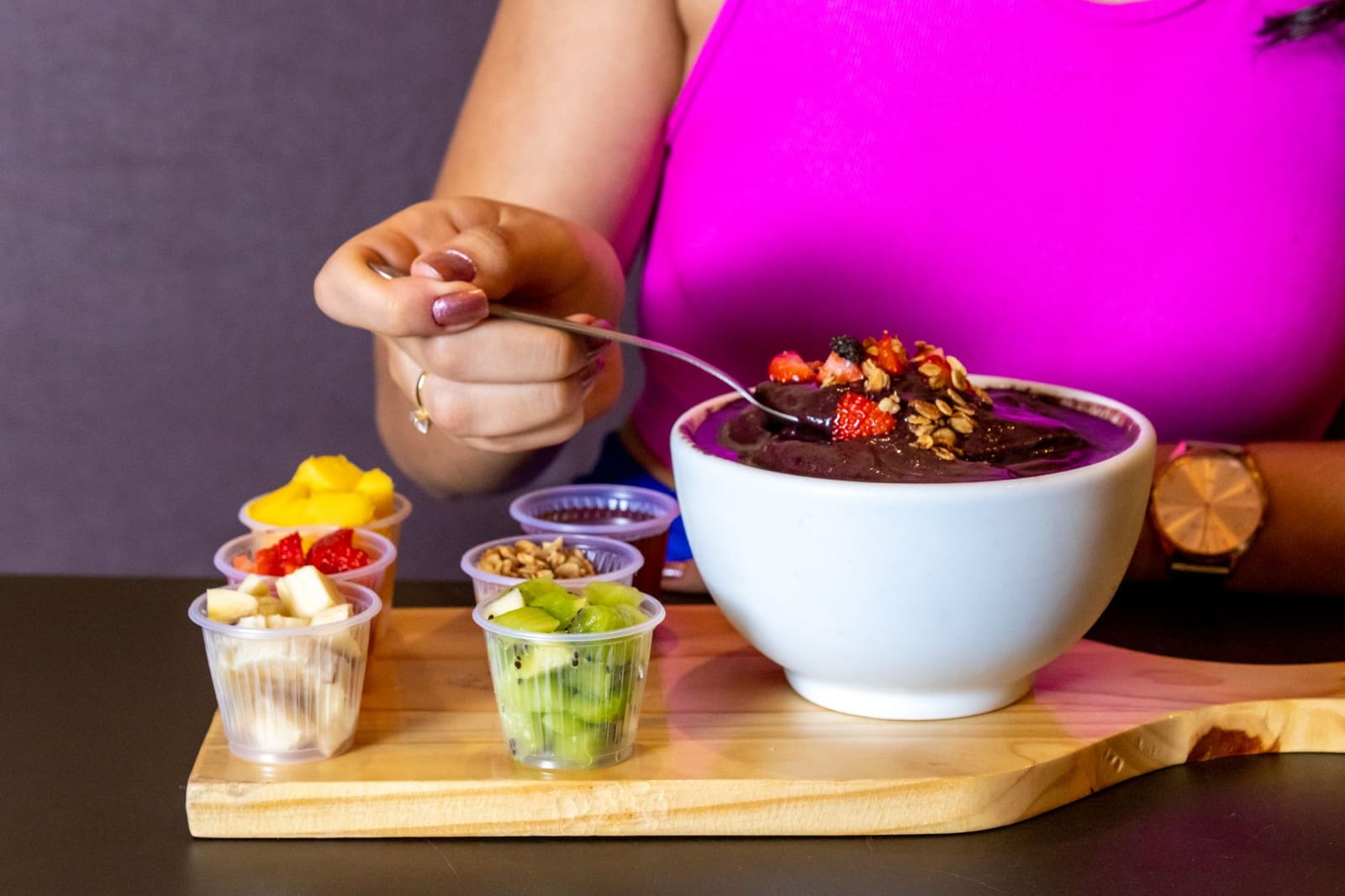
    • Your favourite toppings — granola, fresh fruit, coconut, seeds, nut butter

    Frozen açaí puree is the key ingredient — look for it in the freezer section of health-food shops and larger supermarkets. Choosing an unsweetened version keeps your bowl naturally low in sugar.

    Frozen acai puree packets for making a bowl

    Step-by-step method

    The whole thing comes together in about five minutes. The trick is to blend patiently and keep the liquid low.

    1. Soften slightly: run the frozen açaí packets under warm water for a few seconds so they break up more easily.
    2. Add to the blender: combine the açaí, frozen banana, berries and just a splash of plant milk.
    3. Blend in bursts: pulse and blend, stopping to scrape down the sides. Add liquid only a tablespoon at a time if needed.
    4. Check the texture: you want a thick, smooth, soft-serve consistency you can eat with a spoon — not a drinkable smoothie.
    5. Pour and top: spoon into a chilled bowl and arrange your toppings.
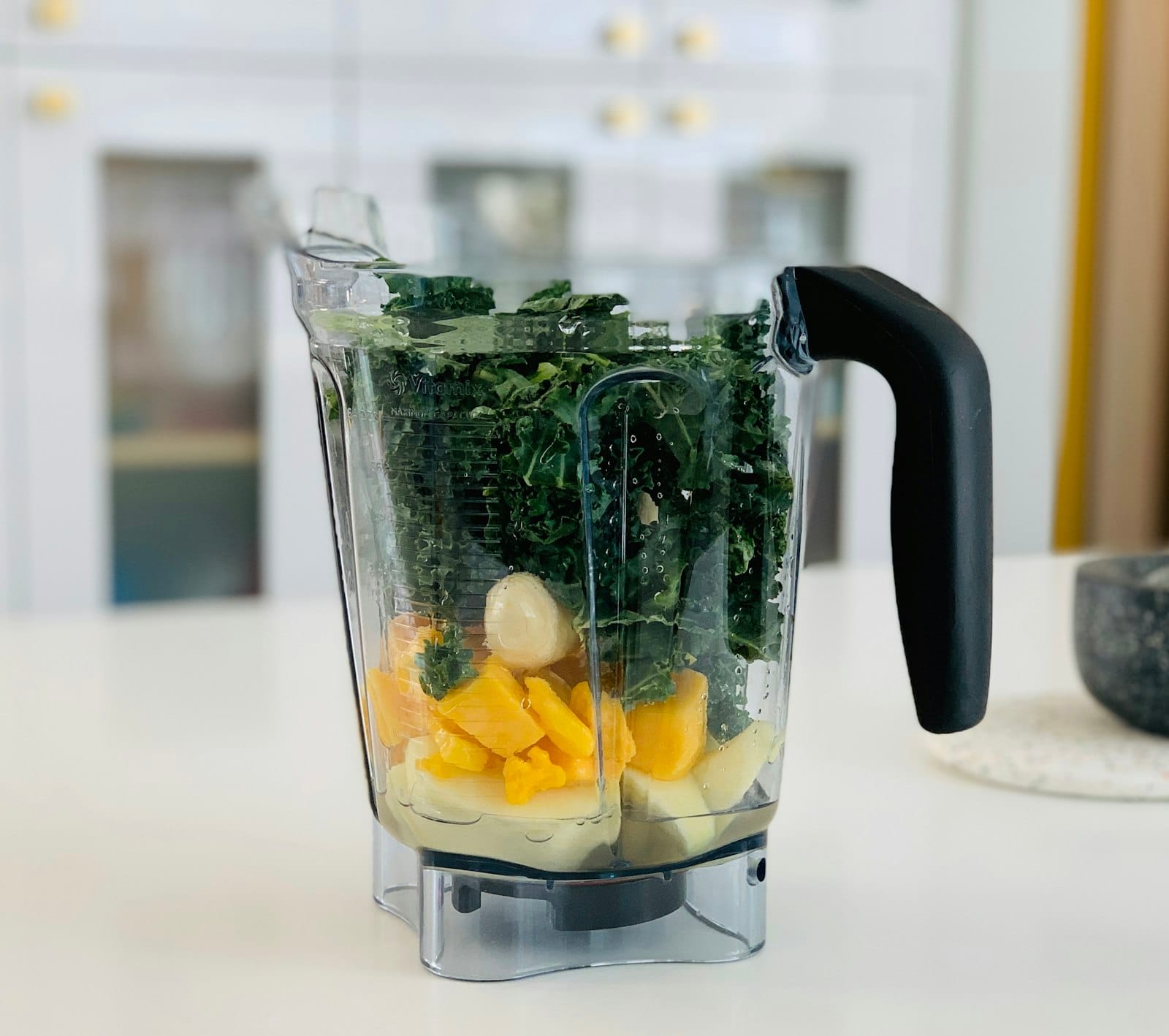
    A blender with frozen fruit for an acai base

    The secret to a thick, spoonable base

    If there is one thing that separates a great açaí bowl from a sad, melty one, it is the texture. A proper bowl is thick enough to hold its toppings proudly.

    The golden rules: use plenty of frozen fruit, keep added liquid to an absolute minimum, and resist the urge to over-blend. A frozen banana is your best friend here, adding creaminess without making things runny. Chilling your serving bowl beforehand helps it stay thick for longer, too.

    If your blender is struggling, a “tamper” tool or a quick stir between pulses helps everything catch the blades without you reaching for more liquid. And if the base does end up a little soft, simply pop the whole bowl in the freezer for five minutes before adding toppings — it firms right back up to that perfect scoopable texture.

    A thick blended acai base in a bowl

    Choosing your toppings

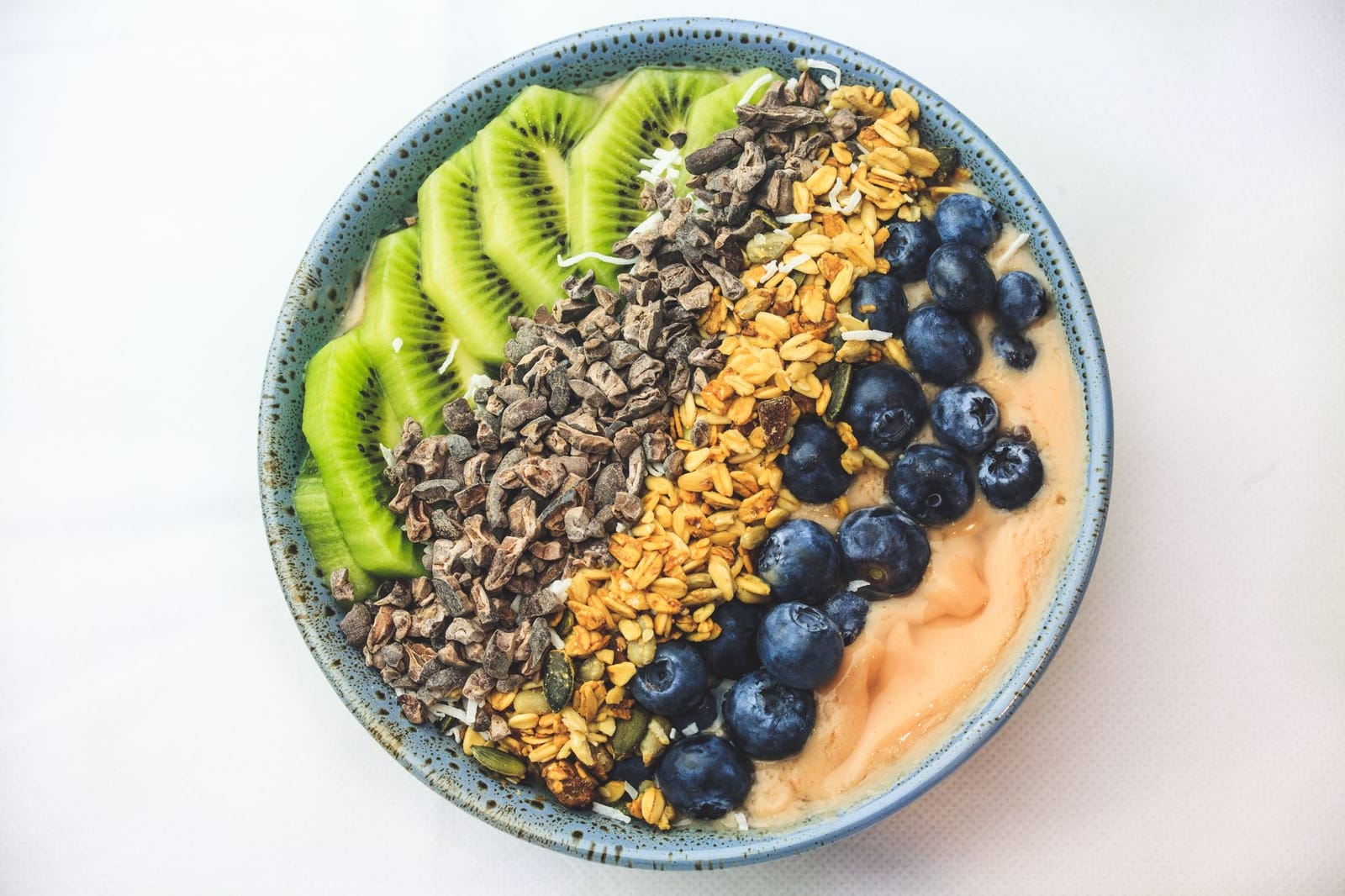
    This is where you get to have fun and make the bowl your own. A good bowl balances something crunchy, something fresh and something rich.

    • Crunch: granola, toasted coconut flakes, cacao nibs, chopped nuts
    • Fresh fruit: sliced banana, strawberries, blueberries, kiwi, mango
    • Seeds: chia, hemp, pumpkin or sunflower seeds
    • Richness: a drizzle of nut butter or a spoon of coconut yoghurt

    Arrange them in neat rows or sections for that classic cafe look — we eat with our eyes first, after all.

    Fresh toppings for an acai bowl

    Make it your own

    Once you have the basic formula, the variations are endless. Add a scoop of your favourite protein powder for a post-workout bowl, or blend in a handful of spinach for a hidden greens boost.

    Swap the banana for frozen mango for a tropical twist, or stir a little cacao through the base for a chocolate-berry version. There is no wrong way to build a bowl — it is your canvas.

    A finished, colourful acai bowl overhead

    Common açaí bowl mistakes to avoid

    If your first attempt does not quite match the cafe version, one of these small slip-ups is usually to blame.

    The most common is adding too much liquid, which turns a spoonable bowl into a smoothie — always start with just a splash and add more only if you truly need it. The second is using fresh instead of frozen fruit; frozen is what gives you that thick, soft-serve chill.

    It is also easy to over-sweeten a bowl with syrups and sweetened granola, which buries açaí’s lovely natural flavour — let the fruit do the work instead. And do not forget to chill your bowl: a room-temperature bowl melts your base in minutes. Avoid these and you are guaranteed a picture-perfect result.

    Prefer one made for you?

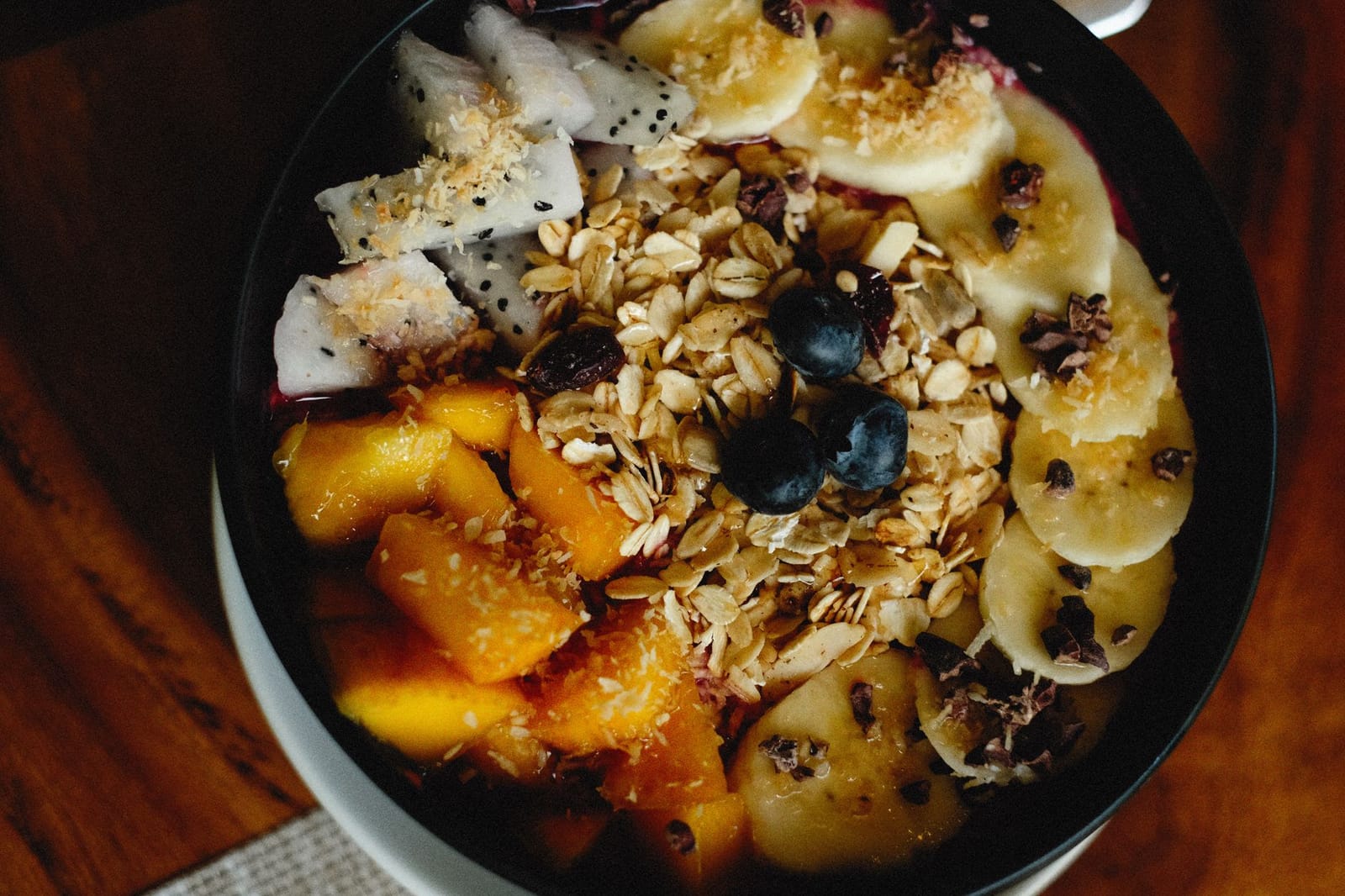
    Making açaí bowls at home is a treat, but sometimes it is lovely to have one built by someone else. At The Cardamom Pod in Southport, our Pod Special Açaí layers açaí with banana and blueberries, mango mousse, house-made granola, fresh fruit and more.

    It is a great benchmark for your home version — and a delicious reason to visit. See it on our full plant-based menu, browse the food gallery, or book a table at The Brickworks in Southport. Curious about the fruit itself? Read our guide to what açaí is and its benefits. Açaí is also famously rich in antioxidants, as Healthline explains here.

    Eating an acai bowl with a spoon

    Frequently asked questions

    What do I need to make an açaí bowl?

    You need frozen açaí puree, a frozen banana, a little plant milk or juice, and your favourite toppings such as granola, fresh fruit, seeds and coconut. A good blender or food processor makes it easy.

    How do I make my açaí bowl thick, not runny?

    Use frozen fruit, keep the liquid to a minimum, and blend in short bursts, scraping down the sides. The goal is a thick, spoonable soft-serve texture — add liquid a tablespoon at a time only if you have to.

    Where do I buy açaí?

    Look for frozen açaí puree in the freezer section of health-food shops and many supermarkets, usually in unsweetened packets or pouches. Açaí powder is an alternative, though frozen puree gives the best texture.

    Are homemade açaí bowls healthy?

    They can be very healthy when built on açaí, fruit and wholesome toppings. Making them at home lets you control the sugar — skip sweetened syrups and lean on fresh fruit for natural sweetness.

    Can I make an açaí bowl without a high-speed blender?

    Yes. A food processor works well, and many standard blenders can handle it if you let the açaí soften for a minute or two first and add liquid gradually. Just be patient and scrape down the sides.

    Keep exploring

    For more, read our guides to the best vegan breakfast on the Gold Coast, how to make fluffy vegan pancakes, and plant-based milks compared.

  • Vegan Kitchen Staples: Nutritional Yeast, Aquafaba & More

    Vegan Kitchen Staples: Nutritional Yeast, Aquafaba & More

    Great plant-based cooking is not about complicated techniques or hard-to-find ingredients — it is about keeping a few clever staples on hand. With the right pantry, a satisfying vegan meal is always minutes away.

    Some of these ingredients might be new to you, but each earns its place by adding flavour, richness or a helpful bit of food science. This guide runs through the vegan kitchen staples worth stocking, and exactly how to use each one.

    Build up this shelf over a few shops and you will wonder how you ever cooked without them.

    The vegan staples worth stocking

    Here is a quick reference to the most useful plant-based staples and what each one does.

    StapleWhat it isUse it for
    Nutritional yeastSavoury yeast flakesCheesy flavour, sauces, popcorn
    AquafabaChickpea tin liquidEgg-white swap, meringues, mayo
    TahiniSesame seed pasteDressings, sauces, baking
    MisoFermented soybean pasteUmami depth, soups, marinades
    Flax / chiaGround seedsEgg swap, binding, omega-3s
    Tofu & tempehSoy proteinsMains, stir-fries, bowls
    Tinned legumesBeans, lentils, chickpeasProtein, fibre, quick meals
    Essential vegan kitchen staples and how to use them.

    You do not need every one of these at once — start with a few and build from there. The Vegan Society has more ideas for stocking a plant-based kitchen in its food and drink resources.

    Nutritional yeast flakes in a bowl

    Flavour boosters: nutritional yeast, miso & tamari

    These three staples are the secret to plant-based food that tastes deeply savoury rather than flat. They all deliver umami — that moreish, savoury fifth taste.

    Nutritional yeast (“nooch” to its fans) brings a cheesy, nutty flavour to pasta, popcorn, mashed potato and tofu scramble, and fortified versions add vitamin B12. Miso paste stirs a rich, savoury depth into soups, dressings, glazes and marinades.

    Tamari — a gluten-free soy sauce — adds instant salty savouriness to stir-fries, dressings and bowls. Together, this trio does the heavy lifting in a plant-based kitchen.

    Miso paste in a bowl

    Egg replacers: aquafaba & flax

    One of the first questions new vegan cooks ask is how to replace eggs. The answer depends on what the egg was doing — and these two staples cover most jobs.

    Aquafaba, the humble liquid from a tin of chickpeas, is a small miracle. It whips into stiff peaks just like egg whites, making it perfect for meringues, mousses, pavlova and even mayonnaise. As a rule, three tablespoons of aquafaba replaces one egg.

    Flax and chia seeds make a brilliant binding “egg” for baking: mix one tablespoon of ground seeds with three tablespoons of water, let it sit for a few minutes until gel-like, and stir it into muffins, pancakes and cookies. As a bonus, they add fibre and omega-3s.

    Chickpeas and their liquid, used as aquafaba

    Creamy staples: tahini & plant milk

    Richness and creaminess are easy to achieve without dairy, and these staples are how.

    Tahini, a smooth paste of ground sesame seeds, is endlessly useful — whisk it into salad dressings, drizzle it over roast vegetables, swirl it through sauces, or use it in both savoury and sweet baking. It adds a nutty richness that feels indulgent.

    A good plant milk is a daily workhorse for coffee, cereal, smoothies, baking and creamy sauces. Keep a versatile one such as soy or oat on hand, and a tin of coconut milk too for curries and desserts.

    A jar of tahini sesame paste

    Protein staples: tofu, tempeh & legumes

    No plant-based kitchen is complete without reliable protein, and these staples deliver it affordably and easily.

    Tofu and tempeh are the versatile heroes — press and pan-fry tofu, marinate and grill tempeh, and both slot into stir-fries, bowls and curries. Keep them in the fridge and you always have a main sorted.

    Tinned and dried legumes — chickpeas, lentils, black beans and kidney beans — are the backbone of quick, hearty, high-fibre meals. A well-stocked shelf of tins means dinner is never far away.

    Tofu and legumes, vegan kitchen staples

    How to build your vegan pantry

    If this all feels like a lot, relax — you do not need to buy everything at once. The smartest approach is to add a couple of staples to each shop until your pantry quietly fills out.

    Start with the essentials you will use constantly: nutritional yeast, tahini, tamari, tinned legumes and a good plant milk. Add flax or chia for baking, then miso and coconut milk as you branch into new dishes. Before long you will be able to pull together a delicious plant-based meal from the pantry alone.

    Flax seeds used to make a vegan flax egg

    Let us do the cooking

    Stocking a plant-based kitchen is genuinely rewarding — but on the days you would rather someone else cooked, we are here. At The Cardamom Pod in Southport, our kitchen turns staples like tofu, tempeh and tahini into vibrant, satisfying dishes.

    It is a great way to taste what these ingredients can do before recreating them at home. Browse the full plant-based menu at The Cardamom Pod, or book a table at The Brickworks in Southport.

    Staples that quietly boost your nutrition

    Beyond flavour and convenience, several of these staples pull real nutritional weight — which is worth knowing when you are planning balanced plant-based meals.

    Fortified nutritional yeast is a handy source of vitamin B12, a nutrient vegans need to get from fortified foods or a supplement. Flax and chia seeds add omega-3 fats and fibre, while tahini contributes calcium and healthy fats. Tofu, tempeh and legumes cover protein and iron, and miso brings gut-friendly fermentation.

    In other words, a well-stocked plant-based pantry does not just make cooking easier — it quietly helps you cover the nutrients that matter most.

    Frequently asked questions

    What is nutritional yeast?

    Nutritional yeast is a deactivated yeast sold as golden flakes with a savoury, cheesy, umami flavour. Vegans use it to add a cheesy taste to pasta, popcorn, sauces and scrambles, and many varieties are fortified with vitamin B12.

    What is aquafaba and how do you use it?

    Aquafaba is the liquid from a can of chickpeas. It whips up like egg whites, so it is used as a vegan egg replacer in meringues, mousses, mayonnaise and baking — roughly 3 tablespoons replaces one egg.

    What are the most useful vegan pantry staples?

    A great starter kit includes nutritional yeast, tahini, miso or tamari, tinned legumes, plant milk, flax or chia seeds, tofu or tempeh, and a good olive oil. With these on hand, most plant-based meals come together easily.

    How do you replace eggs in vegan cooking?

    Common swaps include a flax or chia “egg” (1 tablespoon ground seeds plus 3 tablespoons water) for baking, aquafaba for whipping, and mashed banana or apple sauce for moisture and binding in sweet bakes.

    Do I need special ingredients to cook vegan food?

    Not at all. Most vegan cooking uses everyday ingredients like vegetables, grains and legumes. A handful of staples such as nutritional yeast and tahini simply make it easier to add richness, flavour and variety.

    Keep exploring

    For more, read our guides to the best vegan protein sources, what tempeh is and how to use it, and plant-based milks compared.

  • Cardamom: Benefits, Flavour & How to Use It

    Cardamom: Benefits, Flavour & How to Use It

    There is a reason our cafe is called The Cardamom Pod. Cardamom is one of the world’s most treasured spices — fragrant, complex and deeply woven into the traditions of cooking we love.

    Often called the “queen of spices,” cardamom brings warmth and depth to everything from a morning chai to a celebratory dessert. This guide explores what cardamom is, how it tastes, its health benefits, and the many ways to cook with it.

    Once you understand this little pod, you will see why it has been prized for thousands of years.

    What is cardamom?

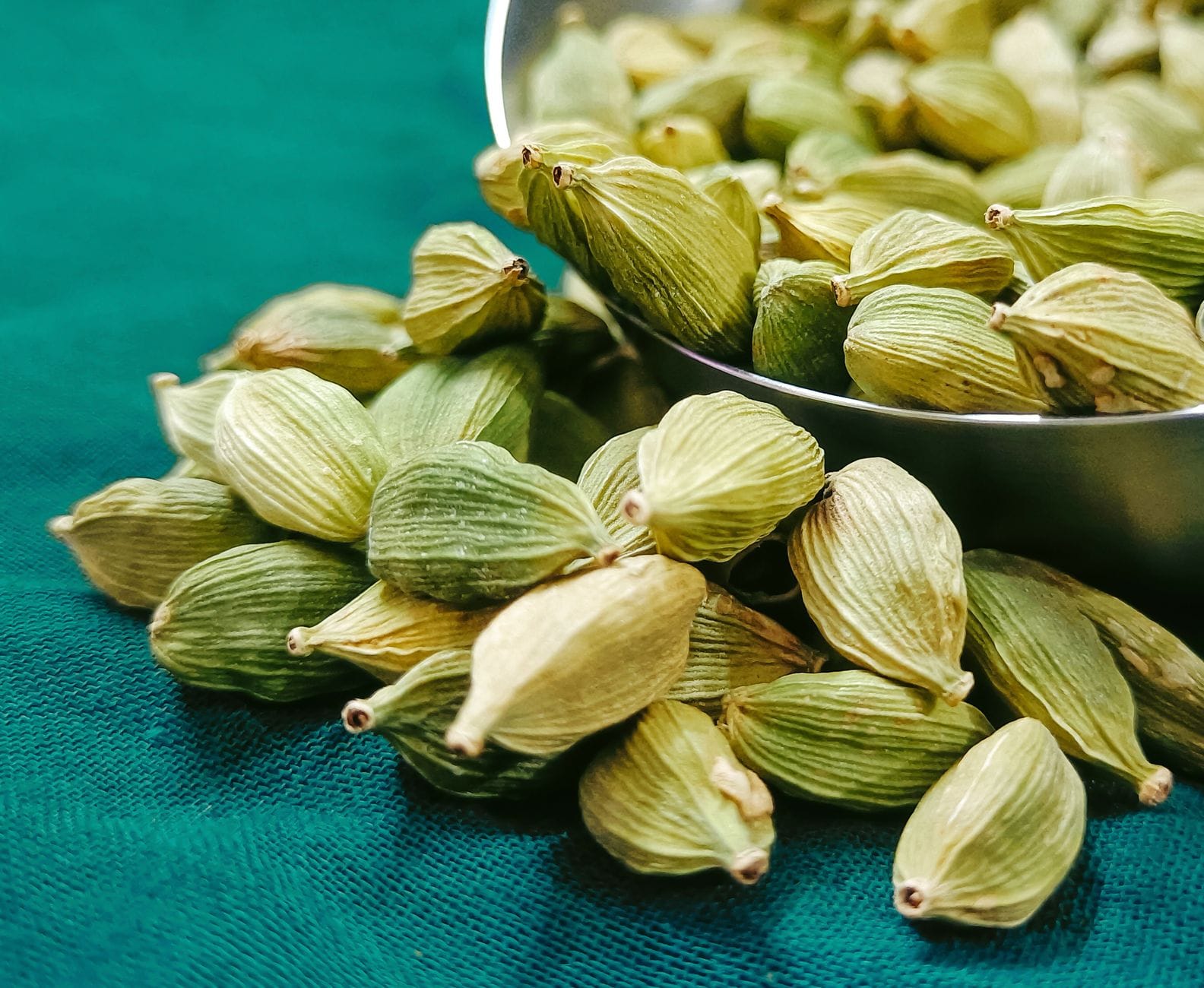
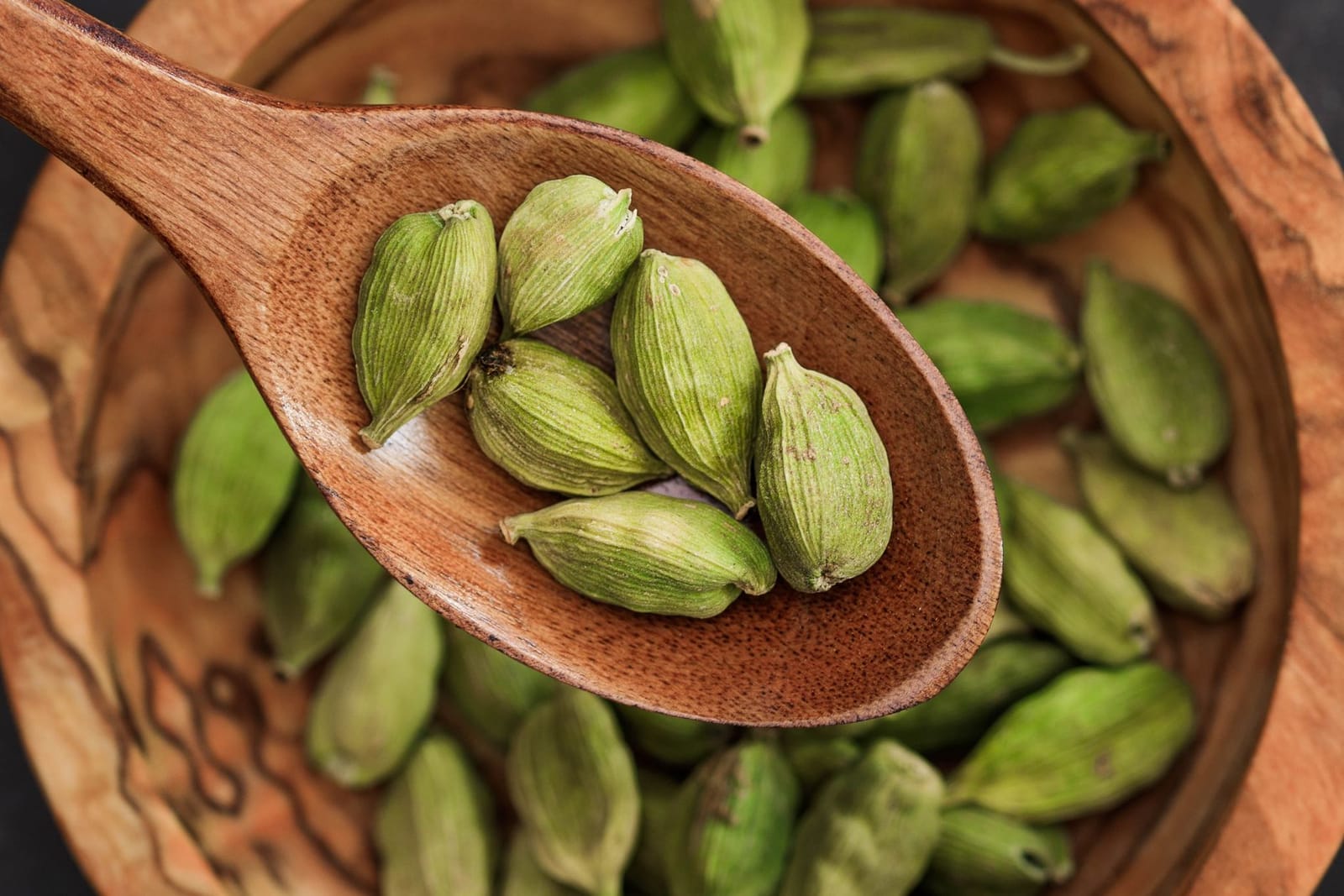
    Cardamom is an aromatic spice made from the seed pods of plants in the ginger family. Inside each small pod sits a cluster of tiny, intensely fragrant black seeds — the source of all that flavour.

    There are two main types. Green cardamom is the most common, with a sweet, floral, almost minty character. Black cardamom is larger and smokier, used mostly in savoury dishes. Both have been treasured for centuries.

    Native to the lush forests of southern India, cardamom is now grown in places like Guatemala too, and it remains one of the most valuable spices in the world by weight — a reflection of how labour-intensive it is to harvest.

    Close-up of cardamom pods on wood

    What does cardamom taste like?

    Cardamom’s flavour is famously hard to pin down, which is part of its magic. It is intense and layered — floral and slightly sweet, with cooling, minty and citrus notes, and a warm, gently spicy finish.

    That complexity is why it works across such a huge range of dishes, from delicate desserts to robust curries. It is also potent: a single pod can perfume an entire pot, so cardamom is a spice you use with a light hand.

    Ground cardamom powder on a spoon

    The health benefits of cardamom

    Beyond its flavour, cardamom has a long history in traditional medicine — and modern research is beginning to catch up.

    • Rich in antioxidants — compounds that help protect your cells from damage.
    • Anti-inflammatory properties — which may support overall health.
    • Digestive support — traditionally used to ease bloating and aid digestion.
    • Fresh breath — long chewed after meals; it may help fight cavity-causing bacteria.
    • Heart & blood pressure — early studies suggest possible benefits.

    For a science-backed overview, Healthline rounds up the health benefits of cardamom.

    Colourful Indian spices including cardamom

    How to use cardamom in cooking

    Cardamom is wonderfully versatile, bridging the sweet and the savoury like few other spices.

    • Chai tea — the classic; cardamom is the heart of a good masala chai.
    • Curries & rice — whole pods perfume biryanis, dals and curries.
    • Baking & desserts — it lifts cakes, cookies, custards and poached fruit.
    • Coffee & drinks — a pinch in coffee or golden milk adds gentle warmth.

    A tip: whole pods release their flavour slowly and can be fished out later, while ground cardamom is much more intense — so start with less than you think you need.

    A cup of chai tea spiced with cardamom

    Cardamom in plant-based cooking

    Cardamom is a gift to plant-based kitchens. Its warmth and aroma add richness and depth to dishes without any need for dairy or animal products — exactly the kind of natural, flavour-first cooking we champion.

    It brings a fragrant lift to plant-milk chai and golden lattes, a subtle complexity to coconut-based curries, and a bakery-worthy warmth to vegan cakes, pancakes and puddings. In the tradition of Indian cooking that inspires our menu, cardamom is indispensable.

    Cardamom-spiced baking and pastries

    Green vs black cardamom

    The two main types of cardamom are used quite differently, so it helps to know which is which before you cook.

    Green cardamomBlack cardamom
    FlavourSweet, floral, mintySmoky, bold, earthy
    Best forChai, baking, desserts, drinksCurries, rice, hearty savoury dishes
    PodsSmall and pale greenLarger and dark brown
    How green and black cardamom compare and where each one shines.

    For most home cooking — and for the sweet, fragrant dishes cardamom is loved for — green cardamom is the one to reach for. Black cardamom is more of a specialist, adding a deep, smoky note to robust savoury cooking.

    Whichever you use, buy whole pods where you can. Cardamom loses its aroma quickly once ground, so crushing the seeds fresh gives you far more of that magical fragrance. Store the pods in an airtight jar away from light and heat, and they will keep their perfume for months.

    Cardamom & The Cardamom Pod

    Our name is a small tribute to this remarkable spice and the cooking traditions behind it. The style of food we serve draws on the beautiful traditions of ancient India, where spices like cardamom are used not just for flavour but as part of a mindful, joyful way of preparing food.

    Everything we make is fully plant-based and cooked with heart — you can taste that philosophy in every dish. Browse the full plant-based menu at The Cardamom Pod, discover our food gallery, or book a table at The Brickworks in Southport.

    A spiced coffee latte

    The takeaway on cardamom

    Cardamom is a fragrant, complex spice with a flavour like no other and a long history of both culinary and traditional-medicine use. From chai to curry to cake, it brings warmth, depth and a touch of magic.

    It is a spice worth keeping in your pantry — and, we think, worth naming a cafe after.

    Frequently asked questions

    What is cardamom?

    Cardamom is an aromatic spice made from the seed pods of plants in the ginger family. Green cardamom is the most common, with a sweet, fragrant flavour, while black cardamom is smokier. It originated in India and is now used in sweet and savoury cooking worldwide.

    What does cardamom taste like?

    Cardamom has an intense, complex flavour — floral and slightly sweet, with cooling, minty and citrus notes and a warm, spicy finish. A little goes a long way, which is why it is used sparingly.

    What are the health benefits of cardamom?

    Cardamom is rich in antioxidants and has anti-inflammatory properties. It has traditionally been used to aid digestion and freshen breath, and some studies suggest it may support healthy blood pressure and heart health.

    How do you use cardamom in cooking?

    Cardamom features in chai tea, curries, rice dishes, baking and desserts, and spiced coffee. You can use whole pods, crushed seeds or ground cardamom — ground is more intense, so use it sparingly.

    Is cardamom good for digestion?

    Cardamom has long been used in traditional medicine to ease digestion and reduce bloating, and it is a common after-meal palate cleanser in India. Its warming, aromatic qualities are part of why it pairs so well with rich food.

    Keep exploring

    For more, read our guides to what açaí is and how to enjoy it, the best vegan protein sources, and the best vegan breakfast on the Gold Coast.

  • What Is Açaí? Benefits, Taste & How to Enjoy It

    What Is Açaí? Benefits, Taste & How to Enjoy It

    You have almost certainly seen them: those vibrant, deep-purple bowls piled high with fruit, granola and coconut, all over cafe menus and social feeds. At the heart of every one is açaí — but what exactly is it?

    Pronounced “ah-sah-EE,” this little berry has travelled from the Amazon rainforest to become one of the world’s favourite breakfast superfoods. This guide covers what açaí is, where it comes from, how it tastes, and why it has earned its glowing reputation.

    Spoiler: there is real substance behind the hype.

    Where does açaí come from?

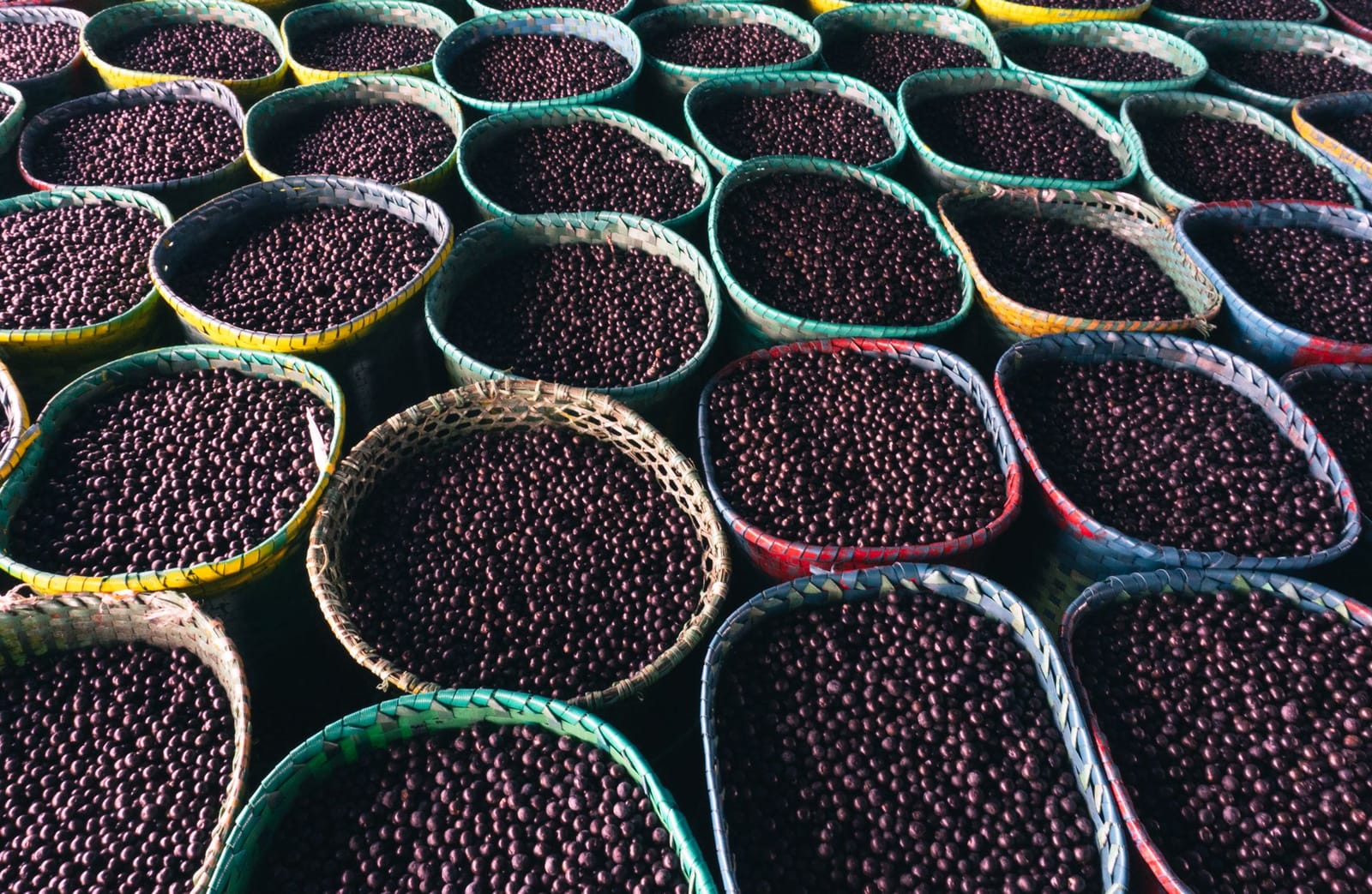
    Açaí (its full name is Euterpe oleracea) is the fruit of the açaí palm, which grows in the floodplains and rainforests of the Amazon, mostly in Brazil.

    The berries are small — only about an inch across — and, curiously, they are technically a stone fruit rather than a true berry, with a large seed making up most of each one. That leaves only a thin layer of edible pulp, which is exactly the part prized for its colour and nutrition.

    Because fresh açaí spoils quickly, it is harvested, pulped and snap-frozen close to where it grows, then shipped around the world as the frozen puree you will find behind the counter at your local cafe.

    Deep purple acai berries

    What does açaí taste like?

    If you are expecting something sweet like a strawberry, açaí will surprise you. On its own it has a rich, earthy flavour with faint notes of blackberry and dark, unsweetened chocolate — and very little natural sugar.

    That low sweetness is actually part of its appeal. It means açaí pairs beautifully with banana and other fruit, which round it out without the need for added sugar, and it gives an açaí bowl that satisfying, not-too-sweet depth.

    A purple acai smoothie in a glass

    The health benefits of açaí

    Açaí earned its “superfood” label for good reason. It is one of the most antioxidant-rich foods you can eat.

    • Exceptionally high in antioxidants — especially anthocyanins, the deep-purple pigments that also feature in blueberries, but in even greater amounts.
    • Heart-supportive — those antioxidants and plant compounds are linked to heart health.
    • Good fats & fibre — unusually for a fruit, açaí contains healthy fats along with fibre.
    • Low in sugar — far less than most fruit in its pure, unsweetened form.

    For a science-backed rundown, Cleveland Clinic covers the benefits of açaí berries in detail.

    Dark purple acai puree on a spoon

    The açaí bowl: how it is served

    By far the most popular way to enjoy açaí is in a bowl. Frozen açaí puree is blended with banana and a splash of plant milk or juice until thick and smooth, then poured into a bowl and loaded with toppings.

    Classic toppings include fresh fruit, house-made granola, coconut, seeds and a drizzle of nut butter. The result is refreshing, energising and endlessly customisable — part breakfast, part work of art.

    Overhead acai bowl loaded with toppings

    Are açaí bowls actually healthy?

    This is where a little awareness helps. The açaí itself is genuinely nutritious, but the healthiness of a bowl comes down to what goes on top.

    A bowl built on açaí, fresh fruit and a modest scatter of granola is a wonderfully wholesome choice. Pile on sugary syrups, chocolate chips and sweetened extras, though, and it edges closer to dessert. The trick is to lean on fruit, nuts and seeds for texture and let the açaí do the talking.

    A healthy acai breakfast with fresh fruit

    Açaí at The Cardamom Pod

    Açaí bowls are one of the things our regulars love most. At The Cardamom Pod in Southport, our Pod Special Açaí blends açaí with banana and blueberries, then tops it with mango mousse, house-made granola, fresh fruit, a protein ball and blue spirulina crème.

    It is a bowl that looks as good as it tastes — and it is fully plant-based. Browse the full plant-based menu at The Cardamom Pod, take a look at our food gallery, or book a table at The Brickworks in Southport.

    A tropical acai bowl

    How to build a balanced açaí bowl

    If you want your açaí bowl to be as nourishing as it is beautiful, a little thought about the build goes a long way.

    Start with a base of pure açaí blended with banana and a splash of plant milk for creaminess — this keeps it thick enough to actually hold your toppings. From there, load up on fresh fruit for natural sweetness and colour, and add a modest handful of granola for crunch.

    For staying power, scatter over seeds, nuts or a spoonful of nut butter; the healthy fats and protein turn a light bowl into a proper, satisfying breakfast. Coconut flakes and a few extra berries finish it beautifully.

    The one thing to go easy on is the sugary extras — chocolate sauce, sweetened syrups and lollies. Let the fruit and açaí provide the sweetness, and you will have a bowl that looks incredible and genuinely fuels your morning.

    The takeaway on açaí

    Açaí is a nutrient-dense, antioxidant-rich Amazonian berry with an earthy, chocolatey character and very little natural sugar. Blended into a bowl with fresh fruit and wholesome toppings, it makes one of the most refreshing and photogenic breakfasts around.

    Next time you order one, you will know exactly what you are eating — and why it is worth the hype.

    Frequently asked questions

    What is açaí?

    Açaí is a small, deep-purple berry that grows on açaí palms in the Amazon rainforest of South America. It is prized for its very high antioxidant content and is usually sold as a frozen puree, then blended into bowls and smoothies.

    What does açaí taste like?

    Açaí has a rich, earthy flavour with subtle notes of berry and dark chocolate, and only mild natural sweetness. On its own it is far less sweet than most fruit, which is why it is usually blended with banana and other fruit.

    Is açaí good for you?

    Açaí is exceptionally rich in antioxidants — especially anthocyanins, the compounds behind its purple colour — along with fibre and healthy fats. As part of a balanced diet it is a genuinely nutritious choice.

    Is an açaí bowl healthy?

    It can be very healthy, but it depends on the toppings. A bowl built on açaí, fruit and a little granola is nourishing; piling on syrups, chocolate and sugary extras turns it into more of a treat. Balance is everything.

    How do you eat açaí?

    Most commonly as an açaí bowl — thick, blended açaí topped with fresh fruit, granola, seeds and coconut — or blended into a smoothie. It is a refreshing, energising breakfast or snack.

    Keep exploring

    For more, read our guides to the best vegan breakfast on the Gold Coast, plant-based milks compared, and healthy cafes on the Gold Coast.
  • Plant-Based Milks Compared: Oat vs Soy vs Almond vs Coconut

    Plant-Based Milks Compared: Oat vs Soy vs Almond vs Coconut

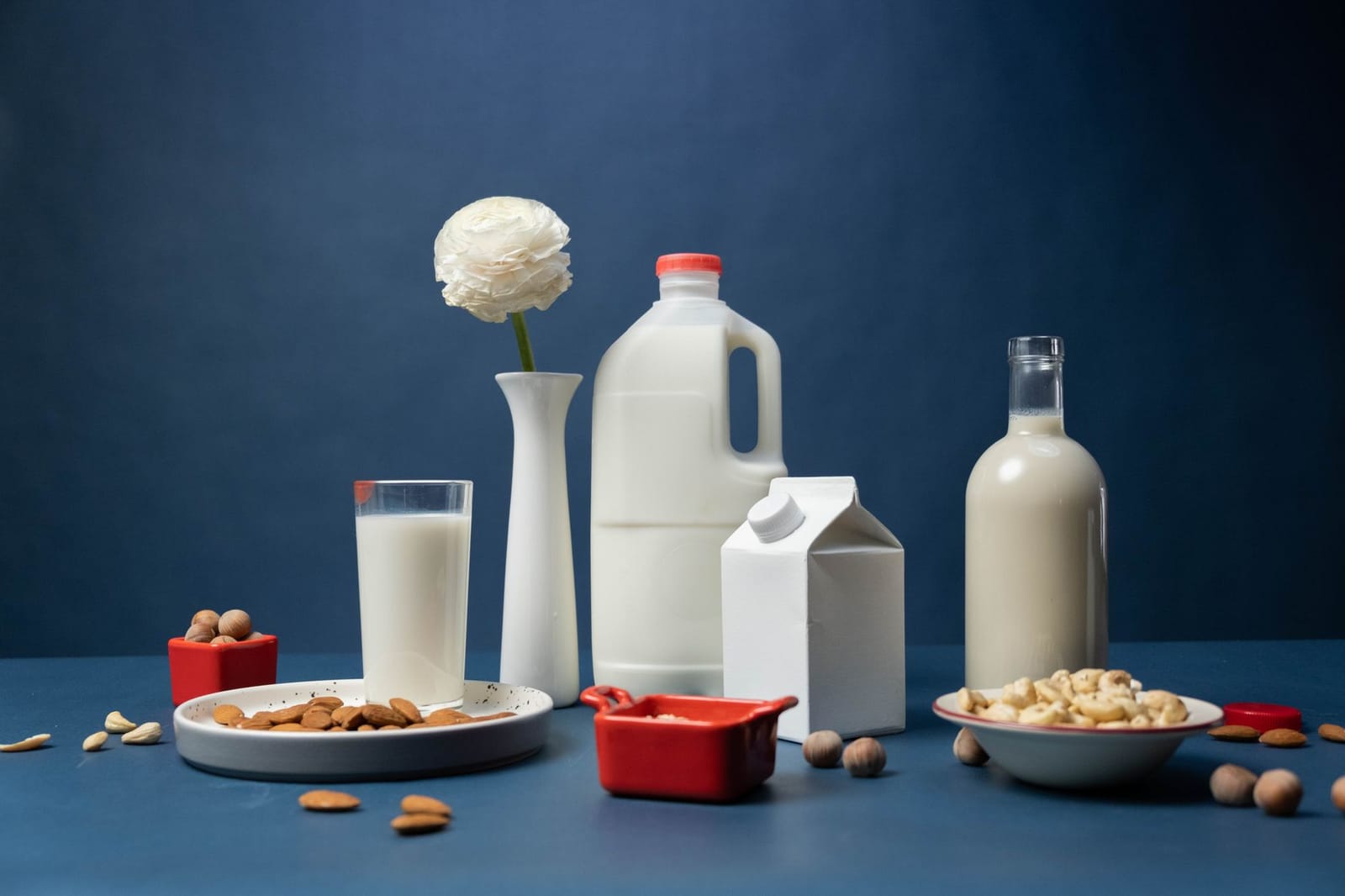
    Walk down any supermarket aisle and the plant-milk options can feel endless. Oat, soy, almond, coconut — each has its fans, and each behaves a little differently in your coffee, your cereal and your smoothie.

    So which one should you actually reach for? The honest answer is that it depends on what you want from it. This guide compares the four most popular plant-based milks on protein, calories, taste and how they perform, so you can choose with confidence.

    The good news: there is no wrong choice, only the right one for your cup.

    The four most popular plant milks

    Before we compare the numbers, it helps to know what each milk actually is and where its character comes from.

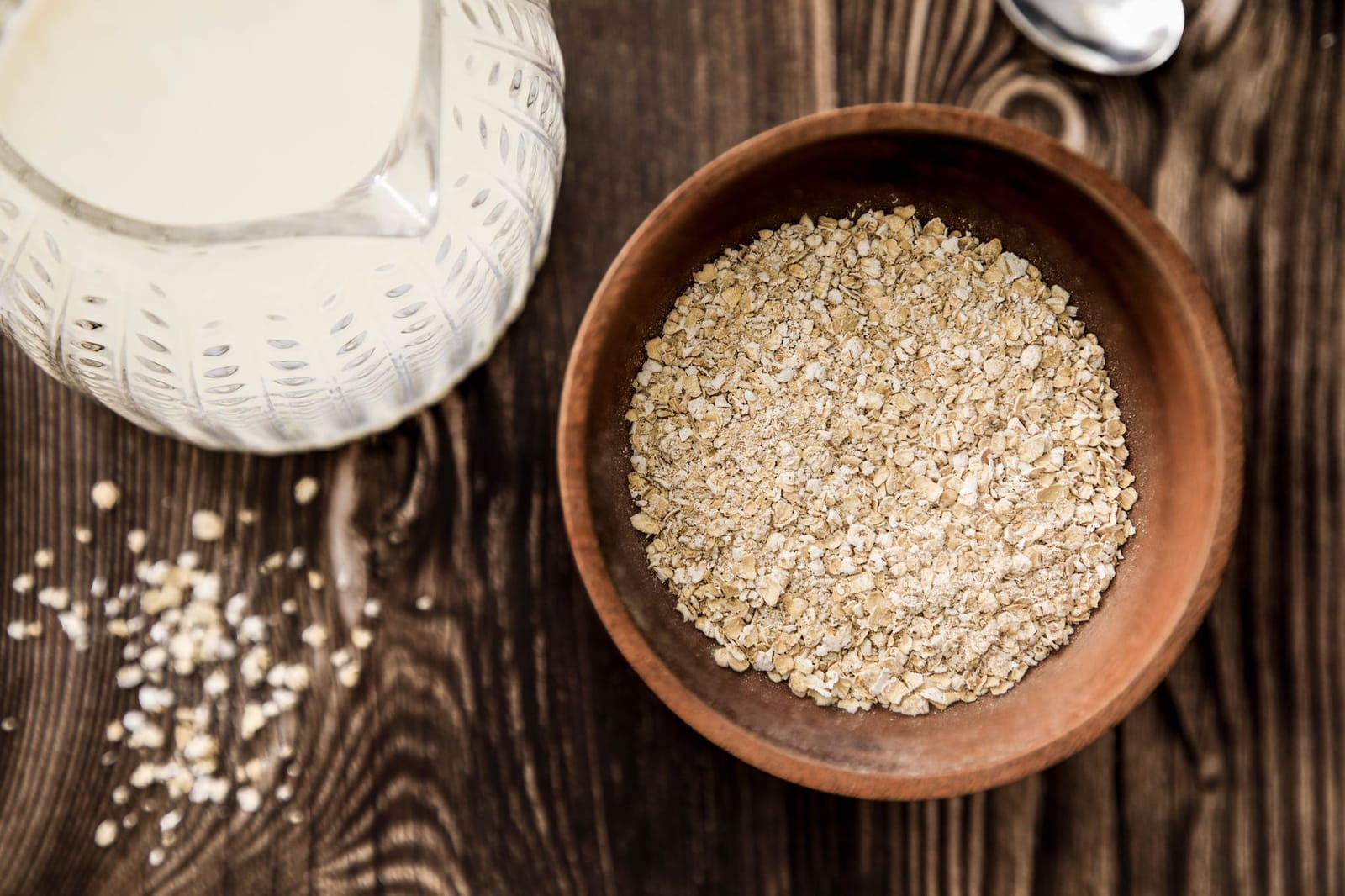
    Oat milk is made by blending oats with water and straining. It is naturally creamy and slightly sweet, which has made it the darling of the specialty-coffee world.

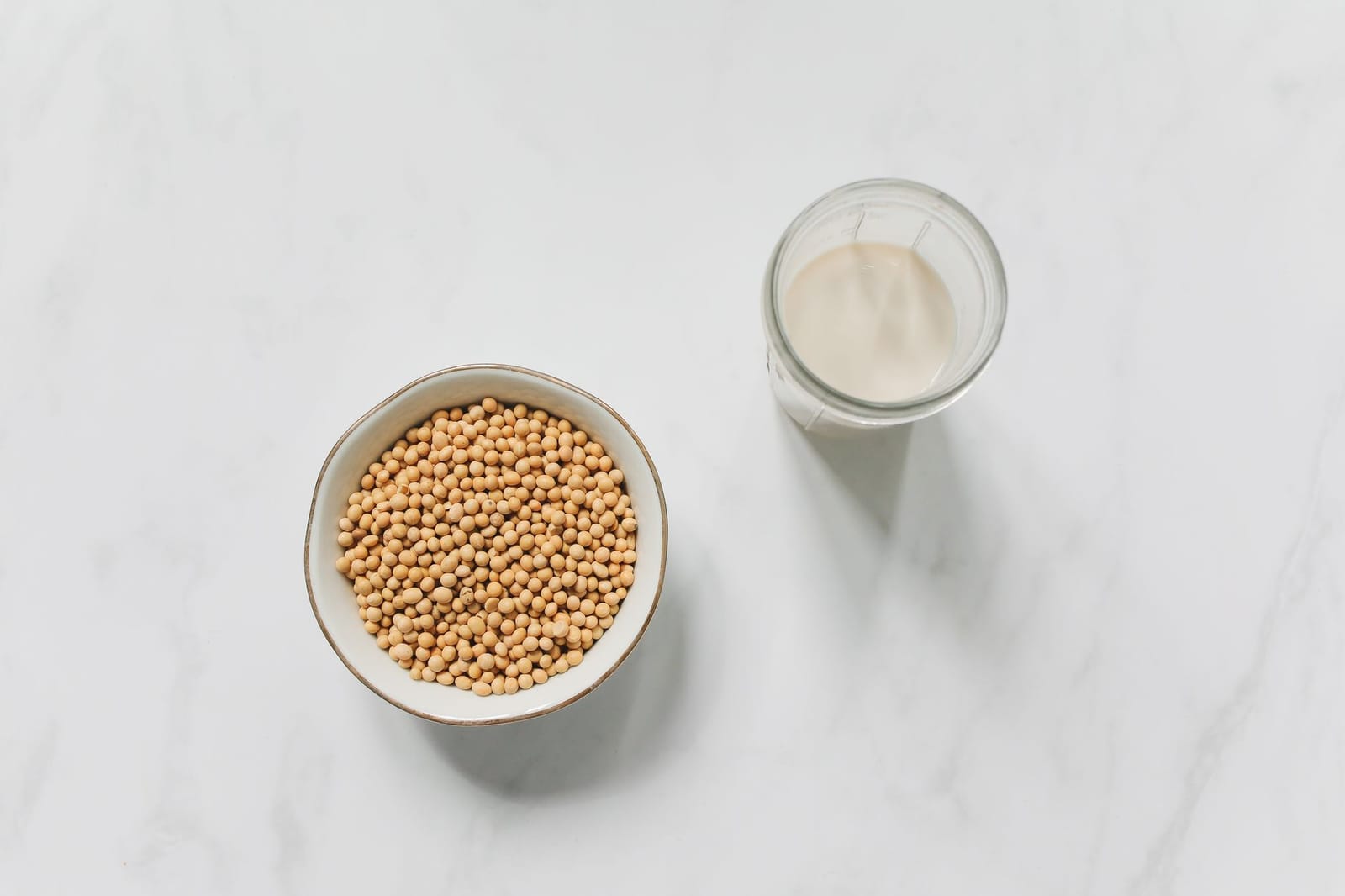
    Soy milk is made from soybeans and is the nutritional heavyweight — the closest plant milk to dairy in protein. It has a mild, rounded flavour that works almost anywhere.

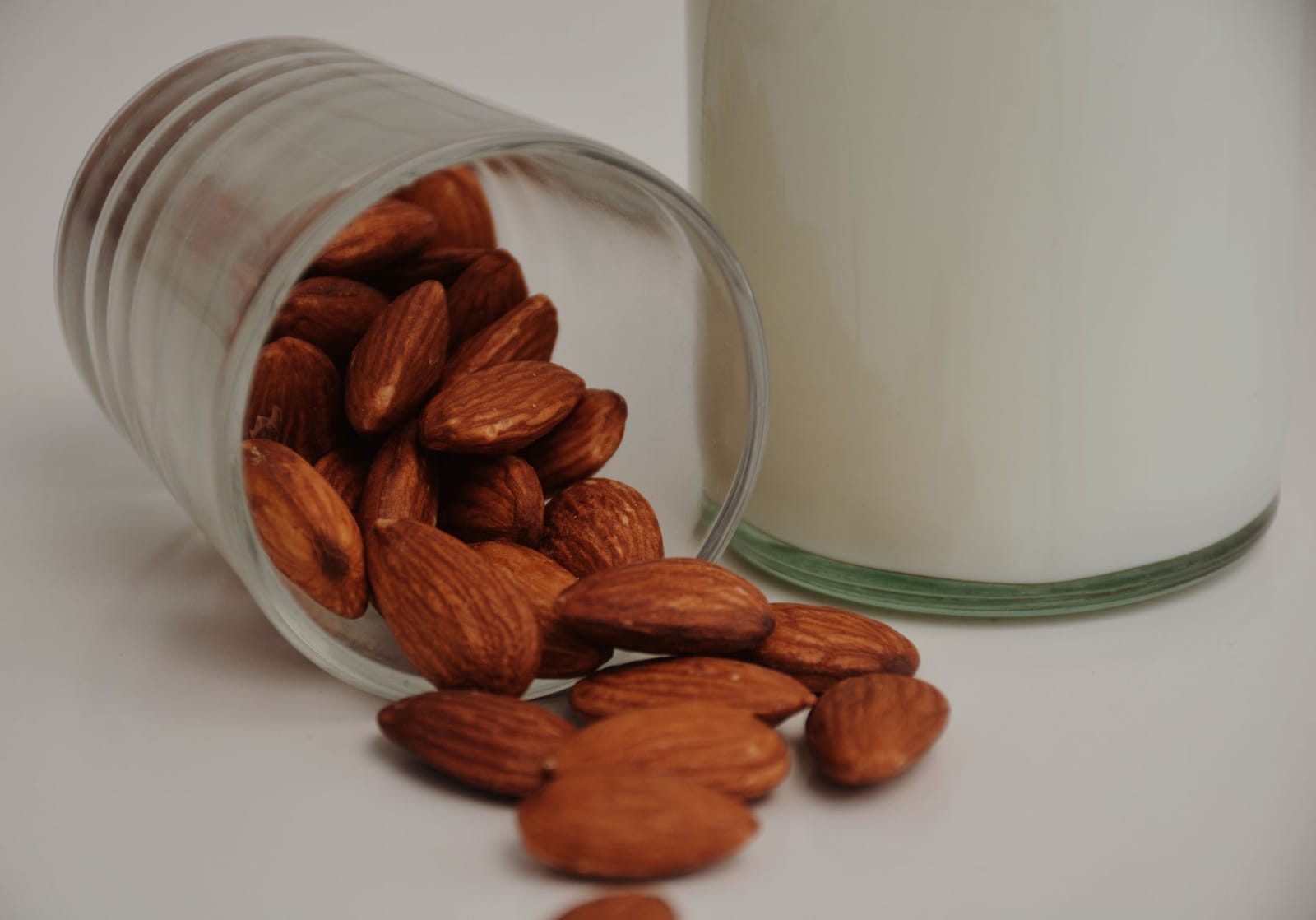
    Almond milk is made from ground almonds and water. It is light, mildly nutty and low in calories, though also low in protein. Coconut milk (the drinking kind) is rich and subtly tropical, and equally light on protein.

    Oat milk in a glass beside rolled oats

    Oat vs soy vs almond vs coconut: the comparison

    Here is how the four stack up. Figures are approximate for unsweetened versions, per 100ml.

    MilkCaloriesProteinBest forCharacter
    Soy~33~3gAll-round, coffee, proteinMild, creamy, closest to dairy
    Oat~40~1gCoffee, lattes, bakingCreamy, naturally sweet, foams well
    Almond~14~0.5gSmoothies, cereal, low-calLight, mildly nutty
    Coconut~15~0.2gCurries, smoothies, tropicalRich, subtly tropical
    Approximate nutrition and best uses for popular plant-based milks (unsweetened, per 100ml).

    A quick takeaway: choose soy for protein, oat for creaminess, and almond or coconut when you want something light. For a deeper academic comparison, this nutritional review of plant-based milks is a great resource.

    Soy milk in a glass with soybeans

    Which plant milk is best for coffee?

    This is the question that starts the most debates. For coffee, texture matters as much as taste.

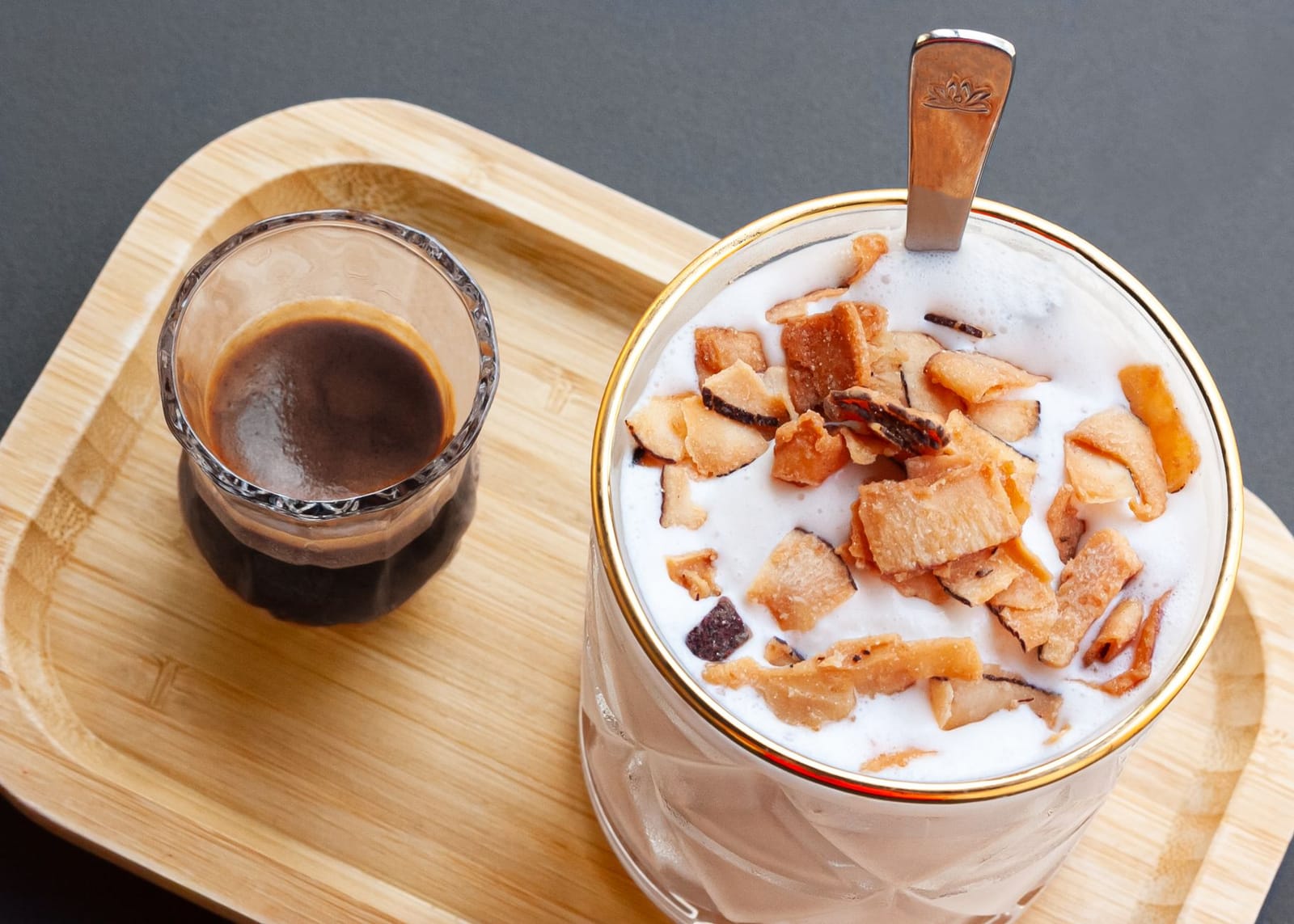
    Oat milk has become the barista favourite because it steams into a silky microfoam and adds natural sweetness without overpowering the coffee. Soy milk is another reliable performer, foaming well and adding body, though it can occasionally split with very hot or acidic coffee.

    Almond and coconut milks are lighter and can be more prone to separating, though barista editions are formulated to behave. If in doubt, look for a “barista” version — it is designed to froth and hold.

    A latte made with plant-based milk

    Choosing the right milk for the job

    Beyond coffee, each milk has dishes where it truly shines.

    • Smoothies — almond and coconut keep things light; soy adds protein and staying power.
    • Cereal & porridge — oat and soy bring creaminess; almond keeps it light.
    • Baking — oat and soy are dependable all-rounders.
    • Curries & savoury cooking — coconut adds richness and a subtle sweetness.
    • Everyday drinking — soy for nutrition, oat for indulgence.
    Almond milk in a glass with whole almonds

    What about added sugar and fortification?

    One tip matters more than almost any other: check the label for added sugar. Sweetened plant milks can carry a surprising amount, so unsweetened versions give you a cleaner, fairer comparison — and let you control the sweetness yourself.

    It is also worth choosing milks fortified with calcium, vitamin D and B12, especially if plant milk is a daily staple. Fortification helps these milks stand in nutritionally for dairy, which is particularly useful on a fully plant-based diet.

    Coconut milk in a glass beside fresh coconut

    The environmental angle

    For many people, sustainability is part of the decision — and here plant milks generally shine, with a lower footprint than dairy across water, land and emissions.

    Among the plant options, oat and soy tend to perform particularly well, while almond is more water-intensive to grow. None of these differences are dramatic enough to override taste and nutrition for most people, but they are worth knowing if the planet factors into your cup.

    Plant milk being poured into a smoothie

    Try them at The Cardamom Pod

    Not sure which you prefer? The easiest way to find out is to taste them side by side in something you love — like a good coffee. At The Cardamom Pod in Southport, we pour a full range of plant milks (with a cow-milk option too), so you can find your favourite.

    Browse the full plant-based menu at The Cardamom Pod, or book a table at The Brickworks in Southport and put a few to the test.

    So, which plant milk should you choose?

    With four strong options, the choice really comes down to what matters most to you on the day.

    If protein is your priority — perhaps you are active, or you want your morning coffee to do a little more — soy is the clear pick, and it behaves well almost everywhere. If you live for a good flat white or latte, oat milk is hard to beat for its creamy texture and barista-friendly foam.

    Watching calories, or simply after something light and mild? Almond milk keeps things gentle, while coconut brings a subtle tropical richness that is lovely in smoothies and curries. And there is no rule that says you have to pick just one — plenty of households keep two on hand: a creamy one for coffee and cooking, and a lighter one for everyday drinking.

    Whichever you choose, reach for an unsweetened, fortified version and you really cannot go far wrong.

    Frequently asked questions

    Which plant-based milk is healthiest?

    There is no single winner — it depends on your goals. Soy milk has the most protein and the best protein quality, oat milk is creamy and higher in carbohydrates, and almond and coconut milks are lowest in calories. Choosing unsweetened versions is the simplest way to keep any of them healthy.

    Which plant milk is best for coffee?

    Oat and soy milk are the popular choices for baristas because they steam and foam well and complement coffee without splitting. Barista-edition versions are formulated specifically to froth and hold up in hot drinks.

    Which plant milk has the most protein?

    Soy milk, by a clear margin — around 3g per 100ml, close to dairy milk. Oat has about 1g, almond around half a gram, and coconut milk has virtually none.

    Is plant milk better than dairy milk?

    For many people, plant milks are a great choice — they are cholesterol-free, suit dairy-free and vegan diets, and generally have a lower environmental footprint. Soy comes closest to dairy nutritionally; others are lighter.

    Are plant-based milks fortified with calcium and B12?

    Many are. A lot of plant milks are fortified with calcium, vitamin D and B12 to match dairy, so if you rely on them, choosing a fortified, unsweetened version is a smart move.

    Keep exploring plant-based eating

    For more, read our guides to the best vegan protein sources, the best cafes in Southport, and the best vegan breakfast on the Gold Coast.
  • Vegan Protein: The Best Sources & How Much You Need

    Vegan Protein: The Best Sources & How Much You Need

    “But where do you get your protein?” is the question every plant-based eater has heard a hundred times. The reassuring answer: from a huge range of delicious, everyday foods.

    Protein is not the challenge it is often made out to be on a plant-based diet. With a little variety, getting enough is genuinely easy — and you pick up fibre, healthy fats and antioxidants along the way.

    This guide runs through the best vegan protein sources, how much protein they provide, and simple ways to make sure you are getting plenty.

    Why protein matters (and why plants deliver)

    Protein supports your muscles, immune system, hormones and countless other functions. The good news is that plants are full of it.

    For years, people believed plant proteins were “incomplete” and had to be carefully combined. Modern nutrition is clear that eating a variety of plant foods across the day provides all the essential amino acids your body needs — no complicated food-pairing required. For more, Vegan Australia has a helpful overview of eating healthily on a plant-based diet.

    A bowl of cooked lentils, a plant protein source

    The best vegan protein sources

    Here are some of the most reliable plant proteins and roughly how much they provide.

    FoodProtein (per 100g / serving)Also great for
    Seitan~25g / 100gHighest protein (contains gluten)
    Tempeh~19g / 100gFibre & probiotics
    Tofu~8g / 100gVersatility, gluten-free
    Edamame~11g / 100gSnacking, whole soy
    Lentils~9g / 100g (~18g / cup)Fibre, iron
    Chickpeas~9g / 100gHummus, curries, salads
    Quinoa~4g / 100g cookedA complete-protein grain
    Nuts, seeds & nut butter~15–25g / 100gHealthy fats
    Approximate protein content of common vegan foods.

    Notice how quickly it adds up: a bowl with tofu or tempeh, some lentils or chickpeas, quinoa and a sprinkle of seeds can easily deliver 25–35g of protein in one meal.

    A bowl of chickpeas

    How much protein do you actually need?

    For most adults, a common guideline is roughly 0.8 to 1 gram of protein per kilogram of body weight per day, with more for athletes and very active people.

    Spread across three meals and a snack or two, that target is very achievable on plants. If you are training hard or have specific health goals, an accredited dietitian can fine-tune the numbers for you.

    A simple way to picture it: aim for a protein source at every meal and a couple of protein-rich snacks, and the daily total quietly takes care of itself. You rarely need to count grams — you just need to keep plants like legumes, soy foods, wholegrains, nuts and seeds in regular rotation.

    Cooked quinoa, a complete plant protein

    Easy ways to get more plant protein

    You do not need protein powders or complicated meal plans. A few simple habits make all the difference.

    • Build meals around a protein anchor — tofu, tempeh, legumes or seitan.
    • Add legumes to everything — lentils in soups, chickpeas in salads, beans in tacos.
    • Snack smart — edamame, roasted chickpeas, nuts, seeds and nut butter.
    • Choose higher-protein grains — quinoa, buckwheat and oats.
    • Top and sprinkle — hemp, pumpkin and sunflower seeds add easy grams.
    Mixed nuts and seeds for plant protein

    Protein-packed plant-based dishes to try

    Some of the most satisfying high-protein meals are also the most colourful. Nourish and grain bowls are a perfect example — layering tofu or tempeh with legumes, quinoa and seeds for a plate that keeps you full for hours.

    At The Cardamom Pod in Southport, our Flourish Bowl brings together tempeh, quinoa pilaf and greens, while the Okinawa Longevity Platter features teriyaki tofu and edamame. Both show just how hearty plant protein can be. Browse the full plant-based menu, explore our food gallery, or book a table at The Brickworks in Southport.

    Edamame soybeans in a bowl

    The bottom line on vegan protein

    Getting enough protein on a plant-based diet is simple once you know where to look. Legumes, soy foods, wholegrains, nuts and seeds all pull their weight — and eating a variety across the day covers everything your body needs.

    So the next time someone asks where you get your protein, you will have plenty of delicious answers.

    A protein-packed vegan buddha bowl

    Do plant proteins contain all the amino acids?

    This is where a lot of the old “incomplete protein” worry comes from — so it is worth clearing up.

    Your body needs nine essential amino acids from food. Some plant foods are lower in one or two of them (grains tend to be lower in lysine, many legumes lower in methionine), which is where the myth that plant protein is “incomplete” began.

    In reality, several plant foods — including soy, quinoa and buckwheat — are complete proteins on their own. And for everything else, simply eating a variety of plant foods across the day fills in any gaps. The classic pairing of beans and rice, for example, covers all the bases — but you do not need to engineer it at every single meal.

    Protein tips for active plant-based lifestyles

    If you train hard or are trying to build muscle, you will want to aim towards the higher end of your protein range — and the good news is that plants can absolutely get you there.

    Spread your protein evenly across the day rather than loading it all into dinner, and include a source at breakfast (think tofu scramble, a protein smoothie or overnight oats with seeds). Around training, pair a protein source with some carbohydrate to support recovery. With a bit of planning, a plant-based diet supports even serious athletic goals.

    Frequently asked questions

    Can you get enough protein on a vegan diet?

    Yes, easily. A varied plant-based diet built on legumes, tofu, tempeh, wholegrains, nuts and seeds comfortably meets protein needs. The key is variety across the day rather than relying on a single food.

    What are the highest-protein vegan foods?

    Seitan (~25g per 100g), tempeh (~19g), tofu (~8g), edamame, lentils, chickpeas, beans, quinoa, nuts, seeds and peanut butter are all strong sources. Combining a few across your meals adds up quickly.

    Do vegans need to combine proteins at every meal?

    No. It was once believed you had to combine proteins in one sitting, but current advice is that eating a variety of plant proteins across the whole day provides all the amino acids you need.

    How much protein do I need each day?

    A common guide is around 0.8–1g of protein per kilogram of body weight for most adults, with more for very active people. A dietitian can tailor this to you.

    Is plant protein as good as animal protein?

    A well-planned plant-based diet provides high-quality protein and plenty of other benefits like fibre and healthy fats. Most plant foods contain all essential amino acids; eating a range covers everything.

    Keep exploring

    For more, read our guides to tofu vs tempeh vs seitan, what tempeh is and how to use it, and the best vegan breakfast on the Gold Coast.