Gut health has become one of the more talked-about corners of nutrition in recent years, and plant-based eating happens to align remarkably well with what the science actually recommends.
This guide covers the practical basics — fibre, diversity and fermented foods — and how to build them into everyday eating.
None of this requires a strict protocol or an expensive supplement regime. The fundamentals are refreshingly simple, and mostly come down to eating a genuinely varied, whole-food diet.
What actually lives in your gut
Your digestive tract hosts trillions of bacteria, collectively known as the gut microbiome, made up of hundreds of different species.
A healthy, diverse microbiome is associated with better digestion, stronger immunity and even improved mood, since a surprising amount of neurotransmitter activity is linked to gut bacteria.
Why gut health matters beyond digestion
The gut microbiome, the trillions of bacteria living in your digestive tract, influences far more than just digestion — increasingly, it is linked to immunity, mood and overall metabolic health.
A diverse, well-fed microbiome tends to correlate with better health outcomes broadly, which is exactly why diet plays such a central role in supporting it.
Fibre: the main event
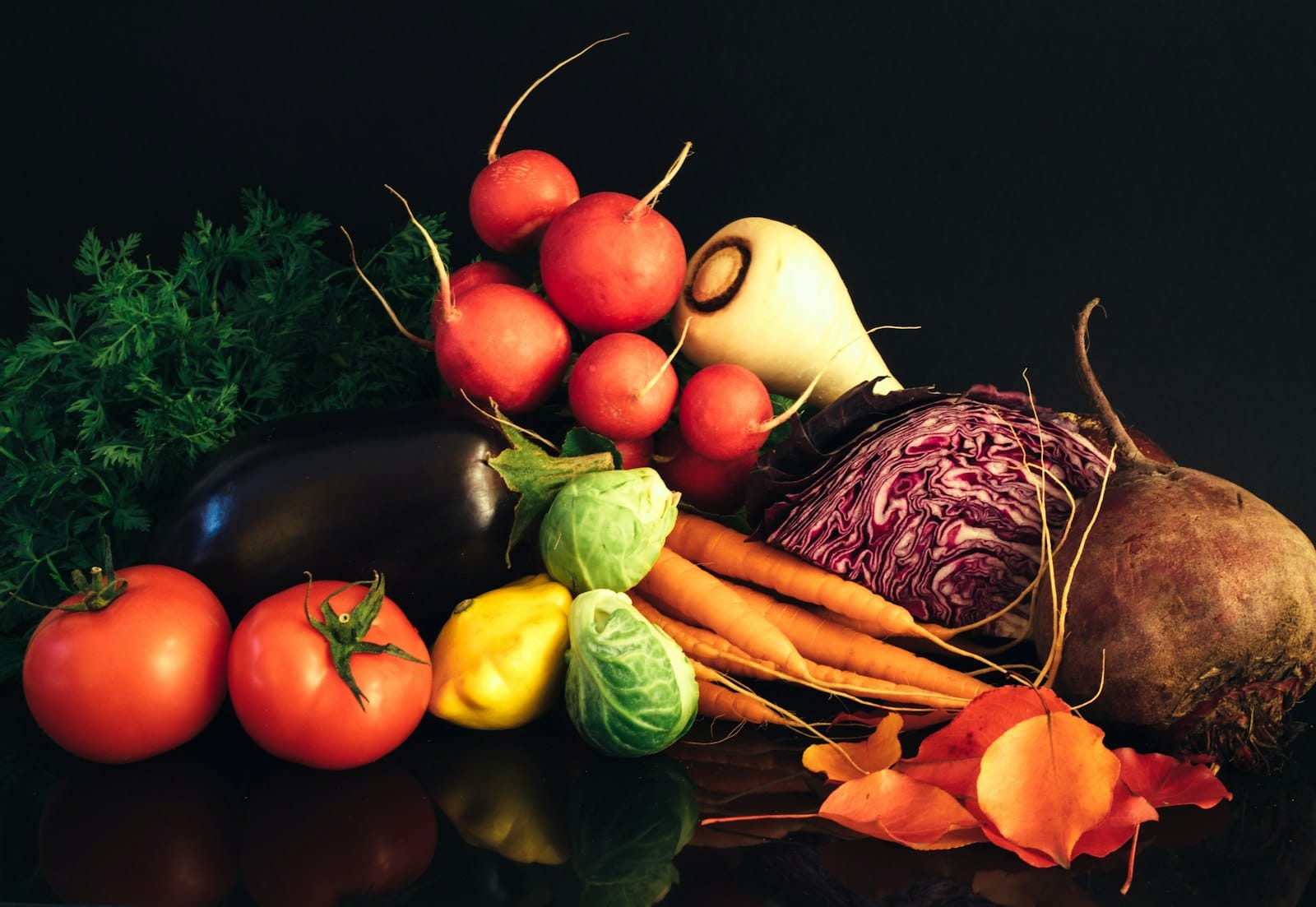
Fibre is genuinely the most important factor here — it is the primary fuel source for your gut bacteria, and plant foods are the only food group that contains it.
| Fibre type | What it does | Found in |
|---|---|---|
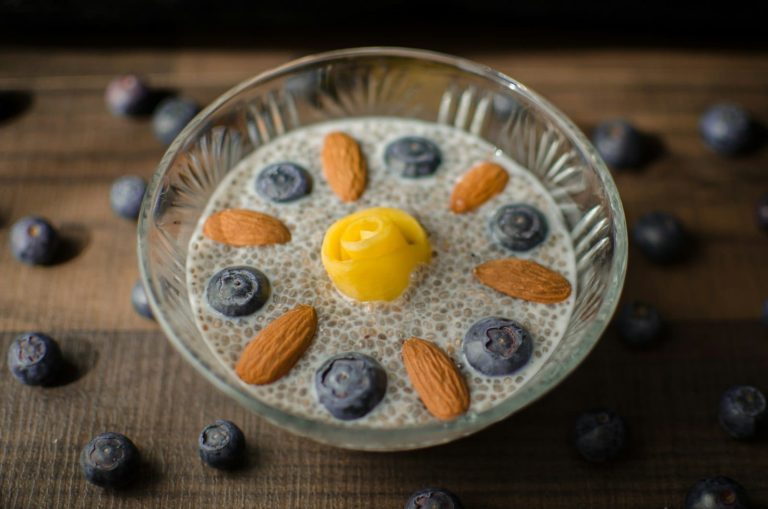
| Soluble fibre | Forms a gel, fermented by gut bacteria | Oats, legumes, chia seeds |
| Insoluble fibre | Adds bulk, supports regular digestion | Whole grains, vegetable skins |
| Resistant starch | Feeds beneficial bacteria specifically | Cooled cooked potatoes, green bananas |

Diversity matters more than any single food
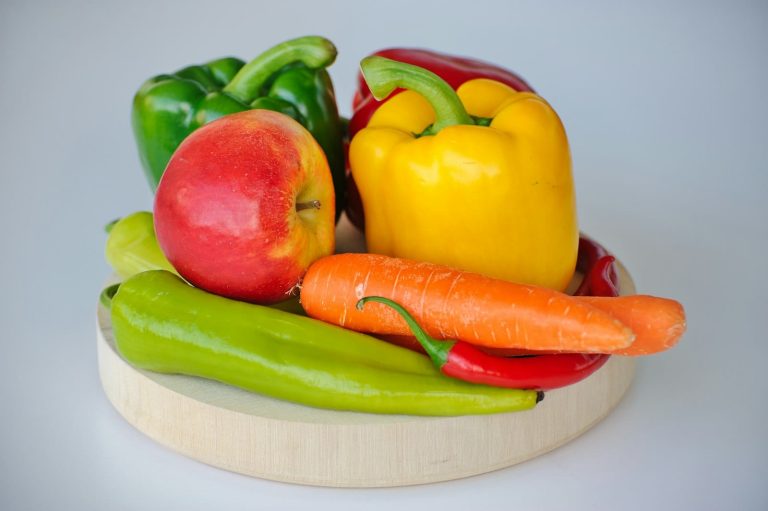
Research increasingly points to dietary diversity, not just fibre quantity, as a key driver of a healthy, varied gut microbiome.
Eating a wide range of different plants across a week — different vegetables, grains, legumes and fruits — feeds a broader range of beneficial bacteria than relying on the same few staples repeatedly, even if those staples are themselves healthy.
Fermented foods and probiotics
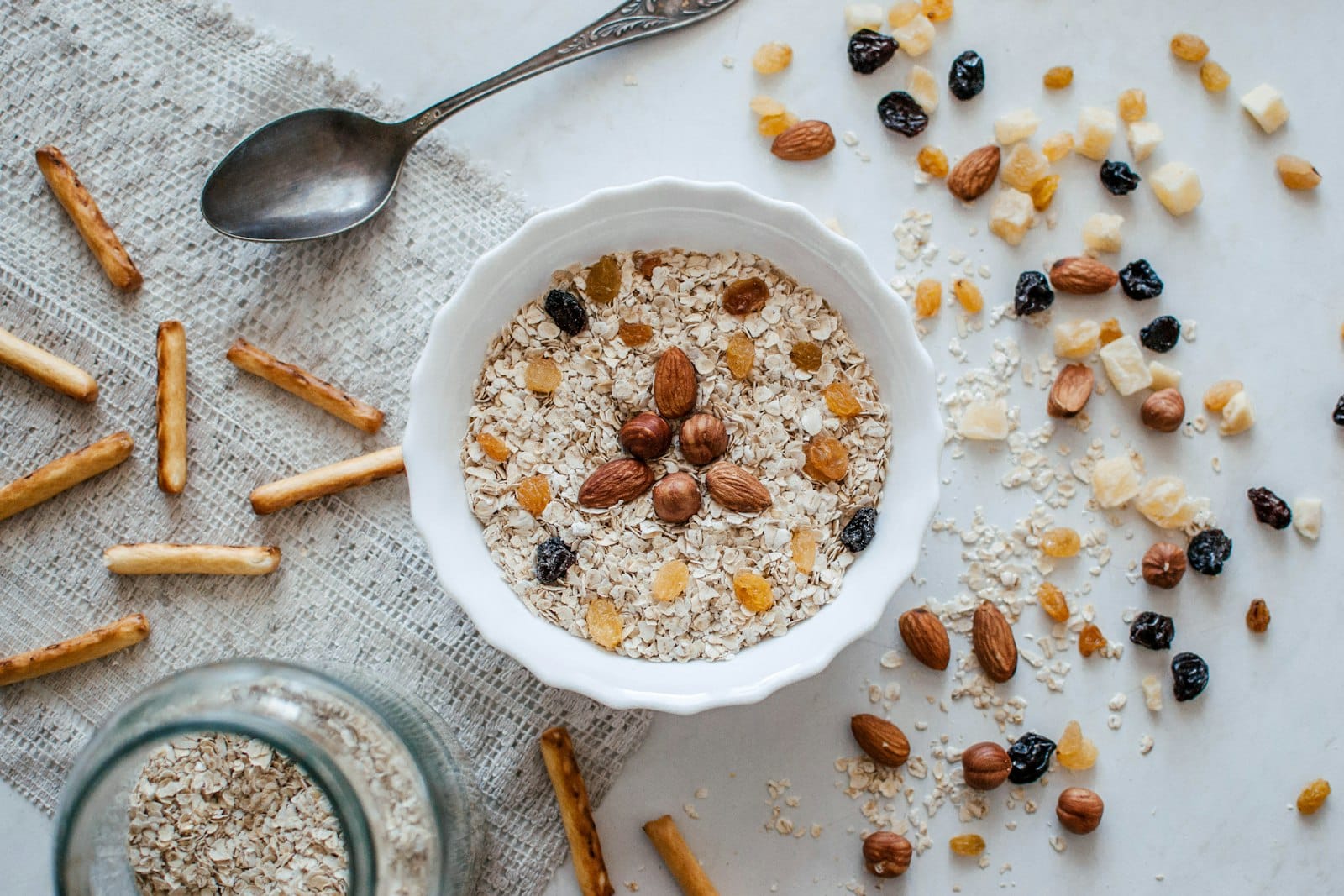
Fermented foods introduce live beneficial bacteria directly, complementing the fibre that feeds the bacteria already present in your gut.
Sauerkraut, kimchi, miso, tempeh and kombucha are all naturally fermented, plant-based options worth incorporating regularly. According to ProVeg International’s overview of plant-based diets and gut health, this combination of fibre and fermented foods is genuinely one of the more evidence-backed dietary strategies for supporting a healthy gut.

Simple ways to add fermented foods
You do not need to overhaul your diet to start incorporating more fermented foods — small, regular additions are all it takes.
- A spoonful of sauerkraut or kimchi alongside a meal.
- Miso stirred into a dressing or soup, off the heat.
- Tempeh as a regular protein source in stir-fries or salads.
- A small glass of kombucha in place of a sugary soft drink.
Prebiotics vs probiotics
These two terms get used interchangeably, but they describe different things — and a gut-friendly diet genuinely benefits from both.
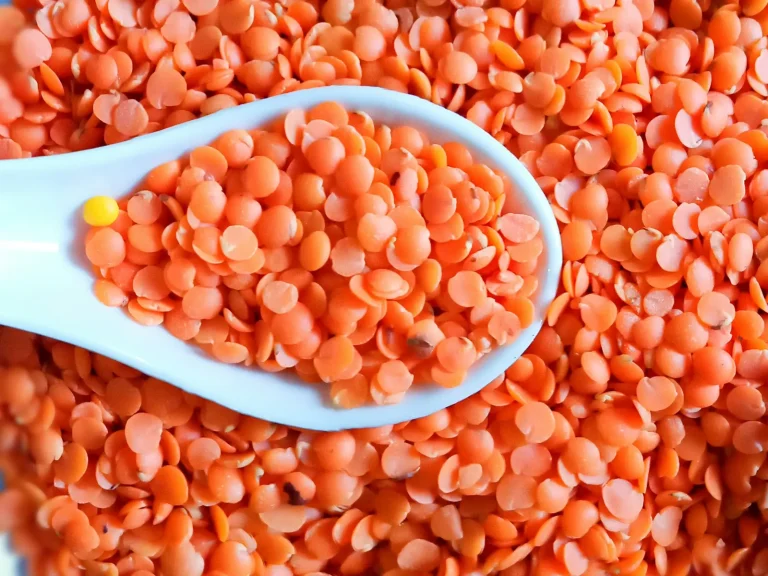
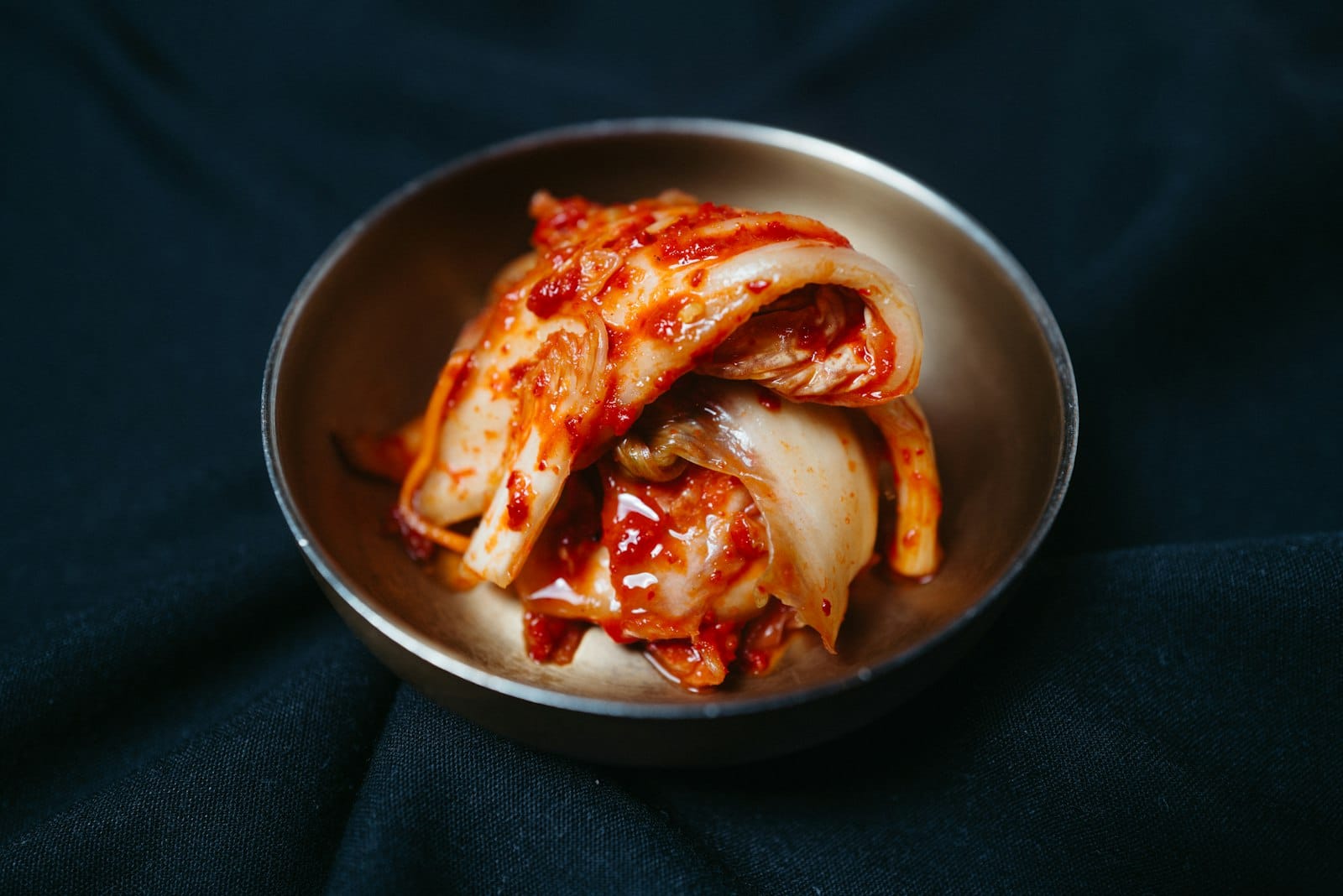
Probiotics are the live beneficial bacteria themselves, found in fermented foods like miso and sauerkraut, while prebiotics are the fibre-rich foods that feed the bacteria already living in your gut, such as onions, garlic, oats and legumes. Eating both together, sometimes called a synbiotic approach, tends to support the microbiome more effectively than either alone.
The gut-brain connection
One of the more surprising threads in gut health research is the so-called gut-brain axis, the two-way communication link between your digestive system and your brain.
A large proportion of the body’s serotonin, a neurotransmitter closely tied to mood, is produced in the gut rather than the brain itself. While the research is still developing, it is part of why some people notice a genuine link between what they eat and how they feel.
Signs your gut might need more attention
While everyone’s digestion varies, a few common signs can suggest your gut microbiome might benefit from more fibre or diversity.
Irregular digestion, frequent bloating, or noticeably low energy can sometimes be linked to a less diverse gut microbiome, though these symptoms can have many causes — it is always worth checking with a doctor for anything persistent or concerning, rather than self-diagnosing.
Hydration and the gut
Fibre needs water to do its job properly — without enough fluid, a sudden increase in fibre intake can actually cause discomfort rather than relief, so ramping up fibre and hydration together is worth keeping in mind as you build these habits.
Foods that can work against gut health
Alongside adding the helpful foods, it is worth being mindful of what tends to work against a healthy microbiome, since gut health is shaped by what you cut back on as well as what you add.
Heavily processed foods, added emulsifiers and a diet consistently low in fibre are all associated with reduced microbial diversity over time. None of this calls for perfection — an occasional processed snack is not going to undo a generally fibre-rich diet — but it is a useful thing to keep in mind as a general pattern rather than a one-off choice.
Building a gut-friendly week
A genuinely gut-friendly approach does not need to be complicated — a wide variety of whole plant foods, a regular source of fermented food, and consistent fibre intake cover most of the fundamentals.
For more on the foods that support this, see our guide to vegan kitchen staples, many of which double as excellent gut-supporting choices.
A gut-friendly way to eat, by design
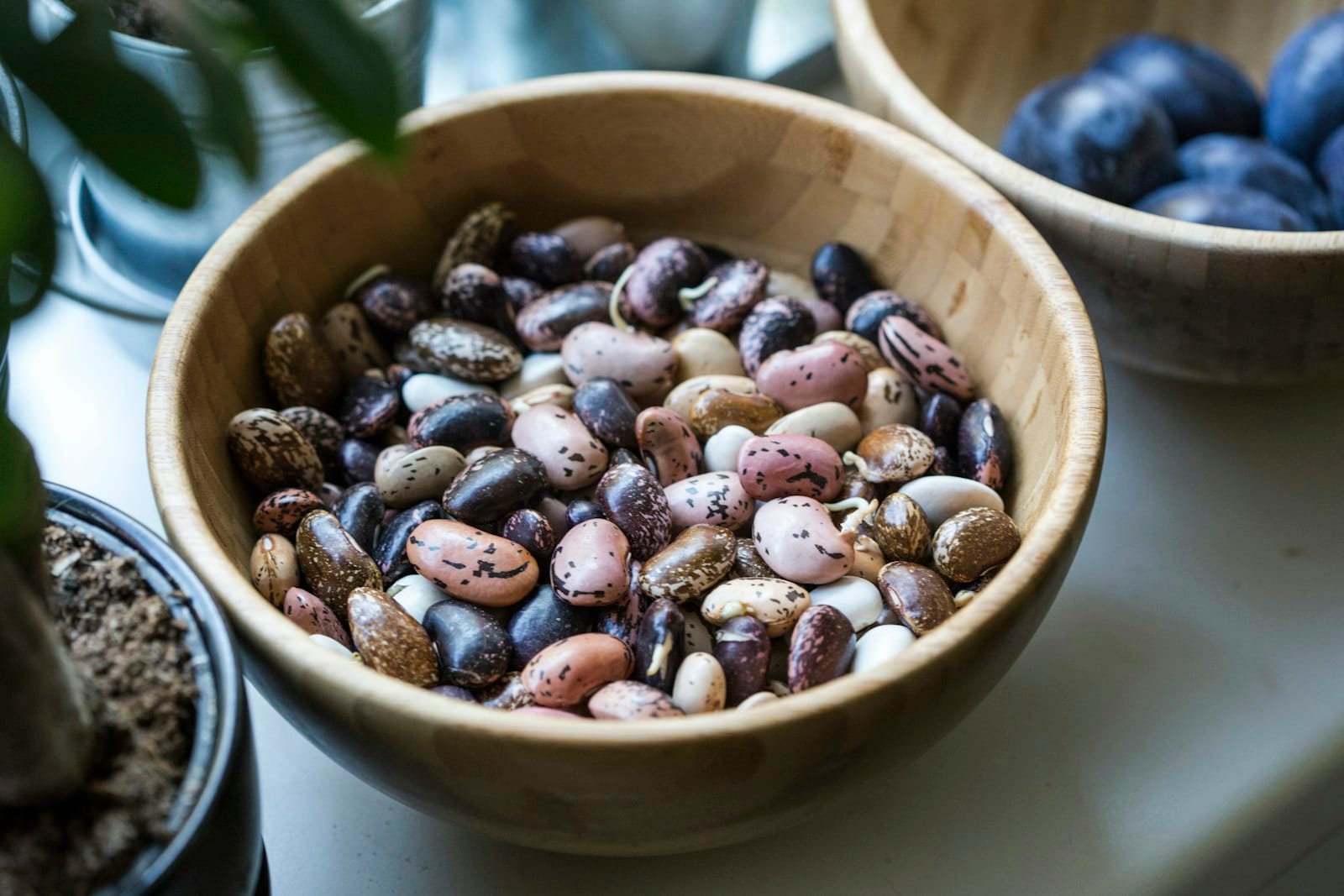
Plant-based eating, built around whole foods, naturally aligns with much of what current research recommends for gut health — not because it was designed that way, but because fibre and diversity have always been at its core.
Browse our full plant-based menu at The Cardamom Pod, or book a table at The Brickworks in Southport.
Small, consistent steps
You do not need to overhaul your entire diet overnight to support your gut health — small, consistent additions of fibre and fermented foods add up meaningfully over time.
Start with one new habit this week, and let it build from there.
Your gut, quite literally, will thank you for it.
Frequently asked questions
Does a plant-based diet improve gut health?
Yes — diets rich in a wide variety of whole plant foods are consistently linked to greater gut microbiome diversity, which is associated with better digestion and overall health.
What role does fibre play in gut health?
Fibre is the main fuel source for beneficial gut bacteria. Soluble fibre forms a gel that bacteria ferment, while insoluble fibre supports regular digestion.
What are the best fermented foods for gut health?
Sauerkraut, kimchi, miso, tempeh and kombucha all introduce beneficial live bacteria, supporting a healthy gut microbiome.
How much fibre should I be eating?
Most adults benefit from around 25 to 38 grams of fibre a day, though many people fall well short — a plant-based diet built on whole foods makes hitting this target considerably easier.
Does The Cardamom Pod support gut health?
Our menu leans heavily on whole plant foods, fibre-rich legumes and warming spices, all in keeping with the kind of eating generally associated with good gut health.
Keep exploring
For more, read our guides to vegan kitchen staples, clean eating explained, and is a vegan diet healthy?