Miso has moved well beyond miso soup in recent years, showing up in dressings, glazes and marinades across all kinds of plant-based cooking. It genuinely earns that popularity.
This guide covers what miso actually is, how it is made, and simple ways to use it well in your own kitchen.
It is one of those ingredients that, once you understand it properly, you will find yourself reaching for constantly — there are very few savoury dishes it does not improve.
A tradition centuries in the making
Miso has been a staple of Japanese cooking for well over a thousand years, with fermentation techniques passed down and refined across generations.
That deep tradition is part of why good miso still tends to be made slowly, with proper time given to fermentation, rather than rushed through an industrial shortcut.
What miso actually is
Miso is a fermented paste made from soybeans, salt and koji — a grain (usually rice) inoculated with a specific mould that kickstarts fermentation.
Over weeks or months, the koji’s enzymes break down the protein and starch in the soybeans, developing miso’s deep, savoury, umami-rich flavour with a gentle sweetness underneath. The texture sits somewhere between hummus and a thick nut butter.

The different types of miso
Miso varies considerably depending on fermentation time and the grain used, which changes both colour and flavour.
| Type | Colour | Flavour | Fermentation time |
|---|---|---|---|
| White miso (shiro) | Pale, light | Mild, slightly sweet | Shortest (weeks) |
| Yellow miso | Golden | Balanced, moderate | Medium |
| Red miso (aka) | Deep red-brown | Strong, salty, robust | Longest (months to years) |
| Mixed/awase miso | Varies | Balanced blend | Varies |
How to use miso well
A few small techniques make a genuine difference to how miso performs in cooking.
According to WebMD’s overview of miso, its fermentation also supports digestive health through beneficial bacteria, another good reason to use it regularly rather than saving it for the occasional soup. Since miso is thick and concentrated, dissolve it in a small amount of warm liquid first, rather than spooning it directly into a dish, to avoid uneven clumps of saltiness.
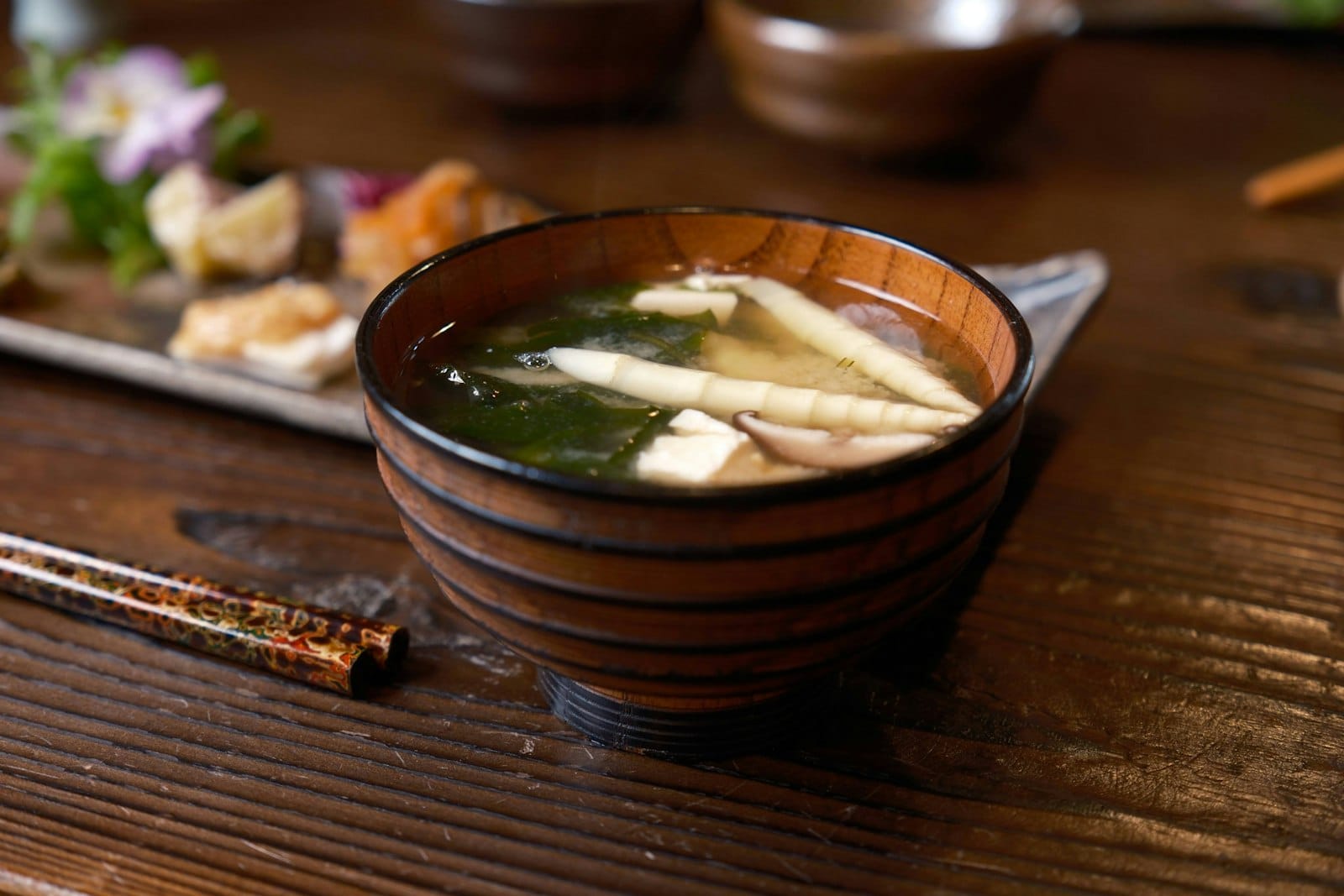
Miso and gut health
As a fermented food, miso naturally contains beneficial bacteria from the fermentation process, connecting it to the broader conversation around gut health and fermented foods.
While cooking at high heat reduces some of these live cultures, using miso off the heat, in dressings or as a finishing touch, preserves more of that benefit alongside the flavour.
Beyond miso soup
Miso soup is the obvious starting point, but it is genuinely just the beginning of what this paste can do.
- Salad dressings — whisked with rice vinegar and oil for a savoury dressing.
- Glazes — brushed over roasted vegetables or tofu before baking.
- Marinades — combined with ginger and garlic for depth.
- Sauces — stirred into pasta sauces or gravies for umami richness.
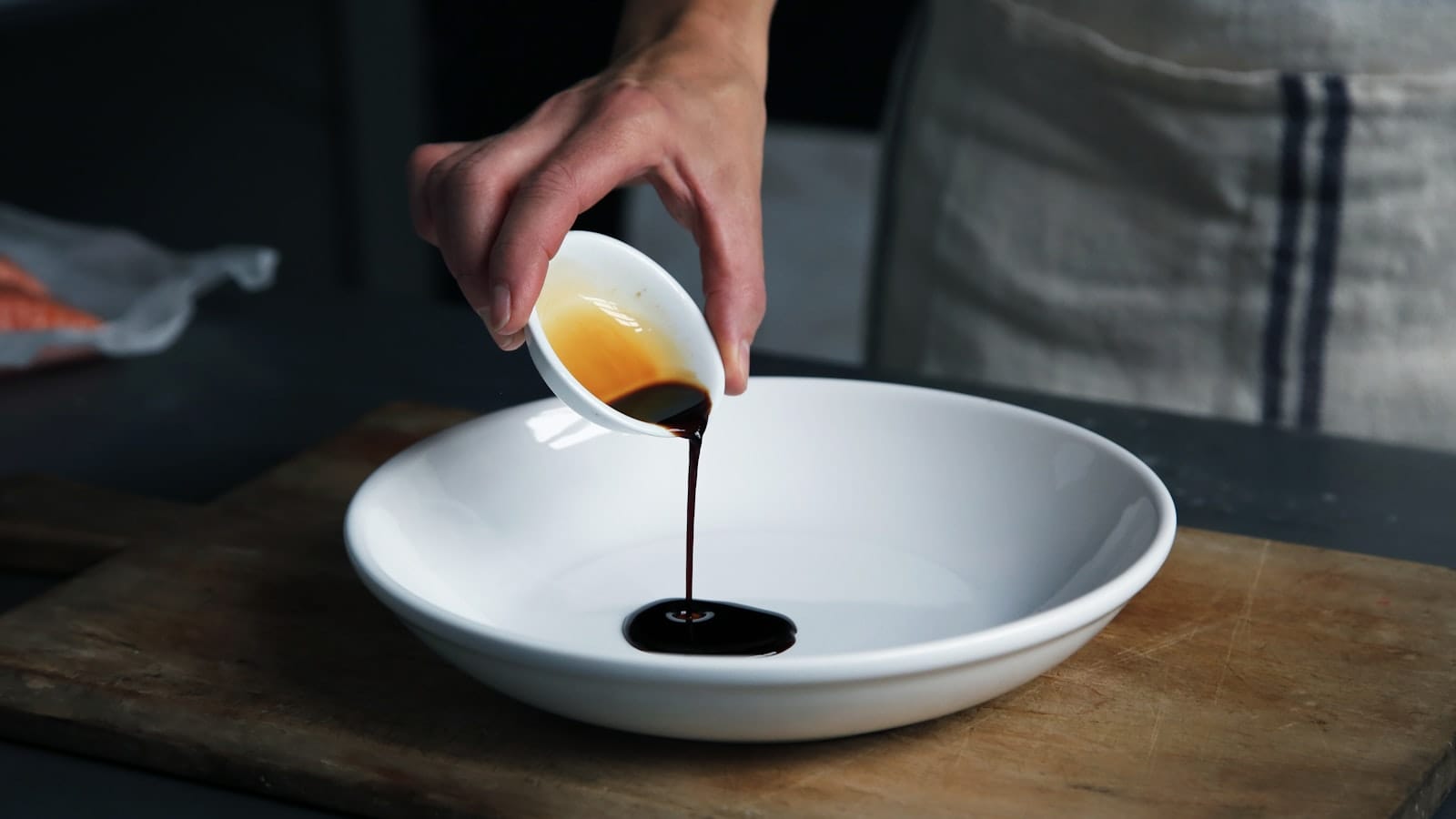
Miso beyond Japanese cooking
While miso is firmly rooted in Japanese cuisine, plenty of modern kitchens now reach for it well outside that context.
A spoonful stirred into a Western-style gravy, a pasta sauce, or even a caramel-style dessert glaze can add a genuinely surprising depth — proof that a good ingredient rarely needs to stay confined to its original cuisine.
A simple miso dressing worth trying
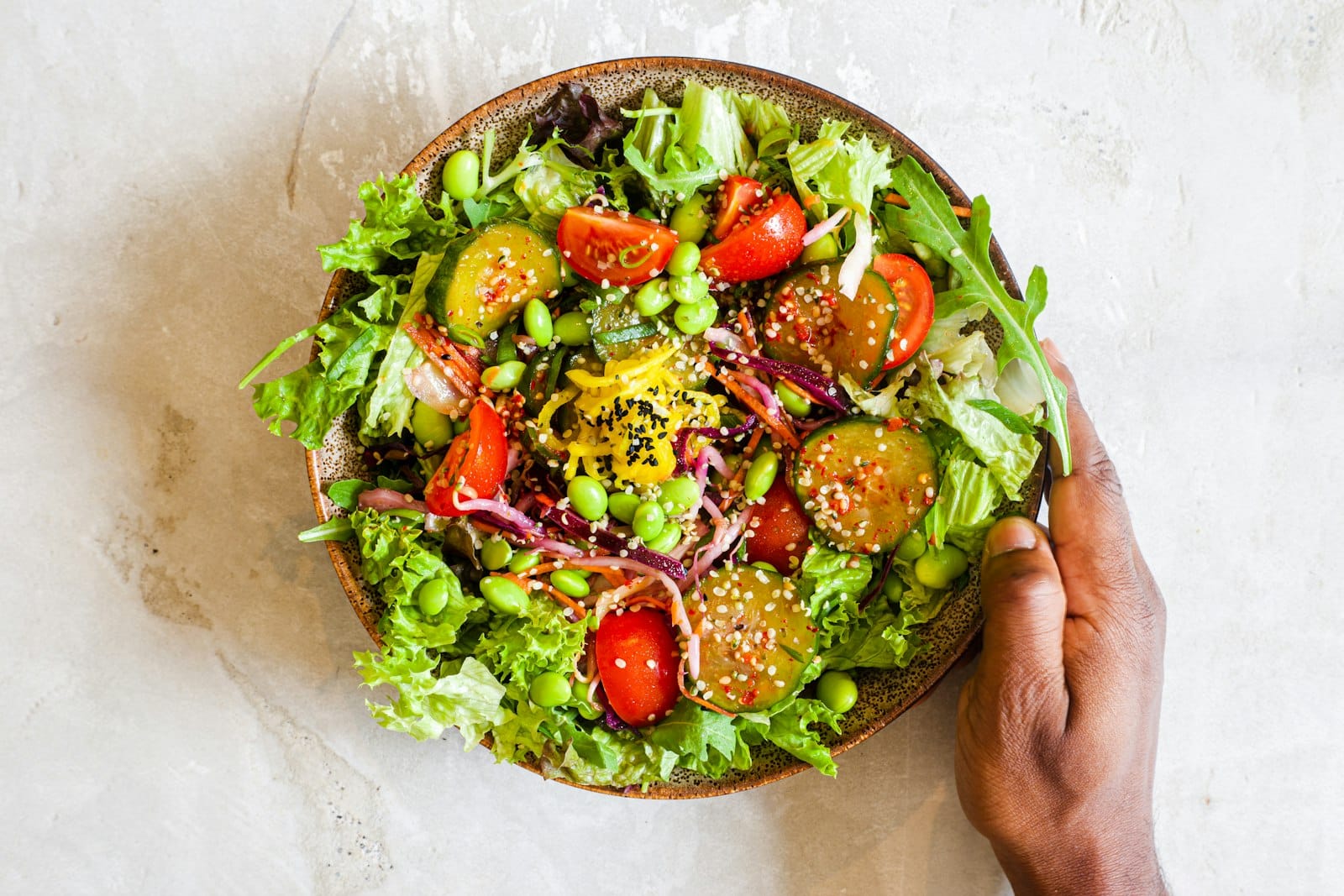
One of the easiest ways to start using miso is a simple dressing — whisk together white miso, rice vinegar, a little maple syrup and sesame oil until smooth.
Drizzled over roasted vegetables, a grain bowl or a simple salad, it adds a genuinely restaurant-quality savoury note with very little effort.
Choosing your first jar
If you are new to miso, white (shiro) miso is generally the gentlest, most approachable starting point — mild and slightly sweet, forgiving in most recipes.
Once you are comfortable with it, red miso is worth exploring for dishes that can handle a bolder, saltier flavour, like a rich glaze or a heartier broth.
Storing miso properly
Once opened, miso should be refrigerated, since cold storage slows further fermentation and preserves its flavour.
Kept properly sealed in the fridge, a good miso paste lasts for many months, quietly getting more intense in flavour the longer it sits.
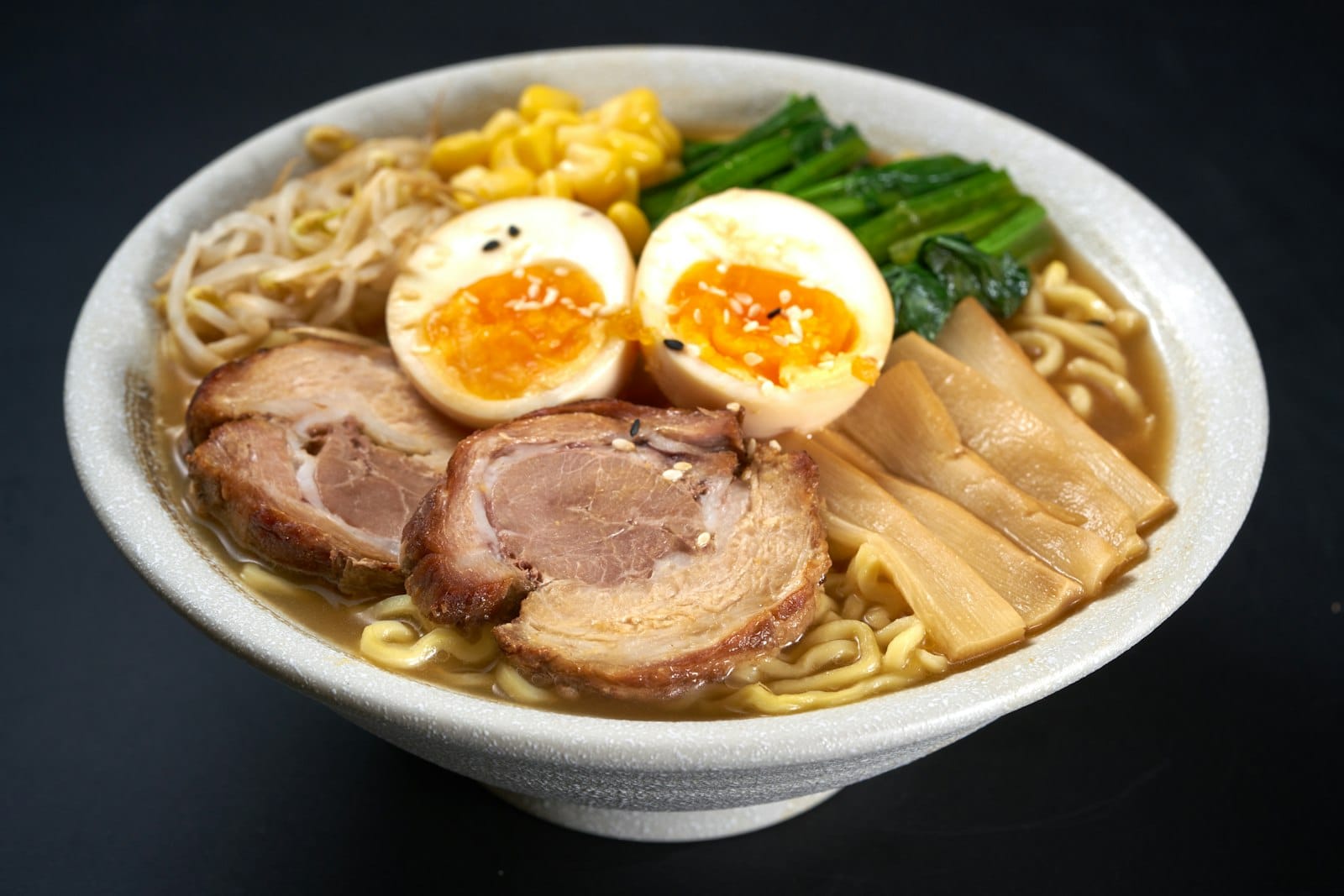
A staple worth keeping stocked
Once you start cooking with miso regularly, it becomes hard to imagine your pantry without it — a small amount adds a genuine depth that is difficult to achieve any other way.
Browse our full plant-based menu at The Cardamom Pod, or explore our guide to vegan kitchen staples for more pantry essentials worth knowing.
Worth the initial investment
A good jar of miso costs a little more upfront than some pantry basics, but given how far it stretches and how long it keeps, the actual cost per use works out remarkably low.
Once it earns a permanent spot in your fridge, you will likely find new uses for it well beyond what you first imagined.
Start with a simple dressing or a bowl of soup, and let your own cooking guide you from there.
It rarely takes long to become a genuine kitchen habit.
Once it does, you will wonder how your cooking ever managed without it.
Pick up a jar this week, and find out for yourself.
Frequently asked questions
What is miso made from?
Miso is a fermented paste made from soybeans, salt and koji (rice or grain inoculated with a specific mould), traditionally aged for months to develop its deep, umami flavour.
Is all miso vegan?
Most miso is naturally vegan, made purely from soybeans, koji and salt, though it is worth checking the label since some blended or flavoured varieties can include other ingredients.
How do I use miso in cooking?
Dissolve miso in a small amount of warm water or broth before adding it to soups, or stir it into dressings, marinades and glazes for a savoury, umami boost.
Why should I not boil miso?
Boiling can damage miso’s beneficial live cultures and mute its flavour, so it is best stirred in off the heat, once a dish has finished cooking.
Does The Cardamom Pod use miso?
Miso is not currently part of our Indian-inspired menu, though it shares a similar spirit with the fermented and slow-prepared ingredients we do use.
Keep exploring
For more, read our guides to vegan kitchen staples, vegan Japanese and sushi on the Gold Coast, and vegan protein sources.