Nutritional yeast has earned a near-cult following among vegans, and for good reason — a naturally savoury, cheesy flavour from a single, simple ingredient.
This guide covers what nutritional yeast actually is, its nutritional benefits, and simple ways to use it in your own cooking.
If you have never tried it, the name does it no favours — it sounds clinical, when in reality it tastes genuinely delicious.
Where the flavour actually comes from
Nutritional yeast’s savoury, cheese-like taste comes from naturally occurring glutamates, the same family of compounds responsible for umami flavour in foods like parmesan and mushrooms.
That is exactly why it works so well as a cheese substitute — it is not mimicking cheese through clever seasoning tricks, but delivering a genuinely similar savoury quality through its own natural chemistry.
What nutritional yeast actually is
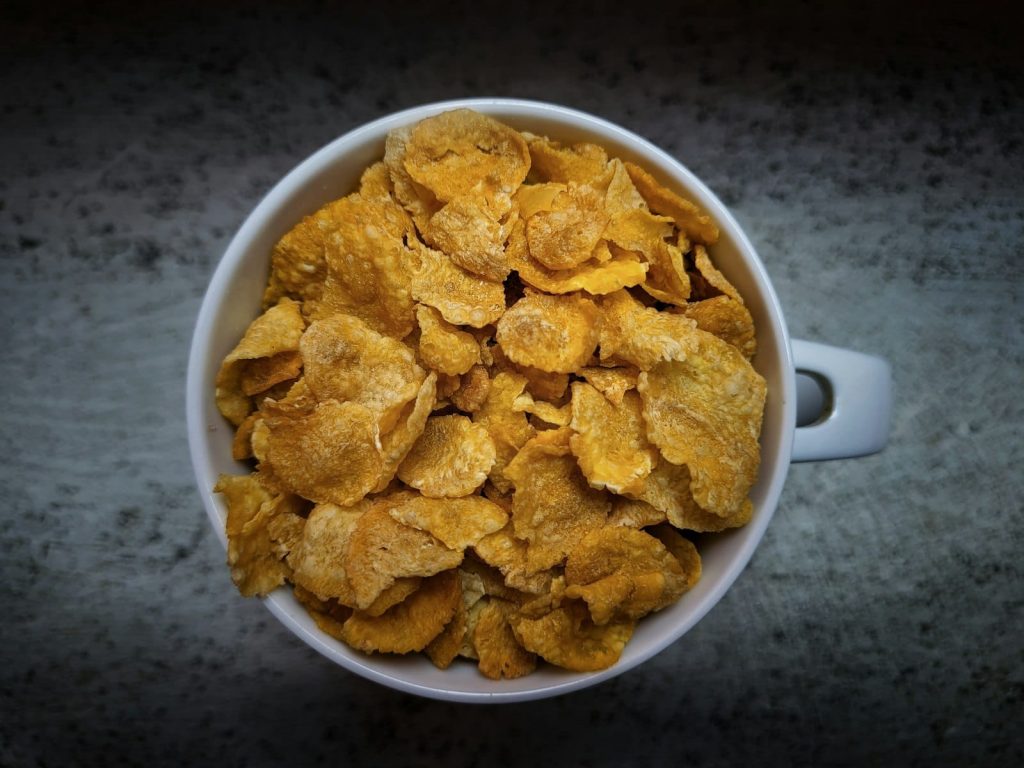
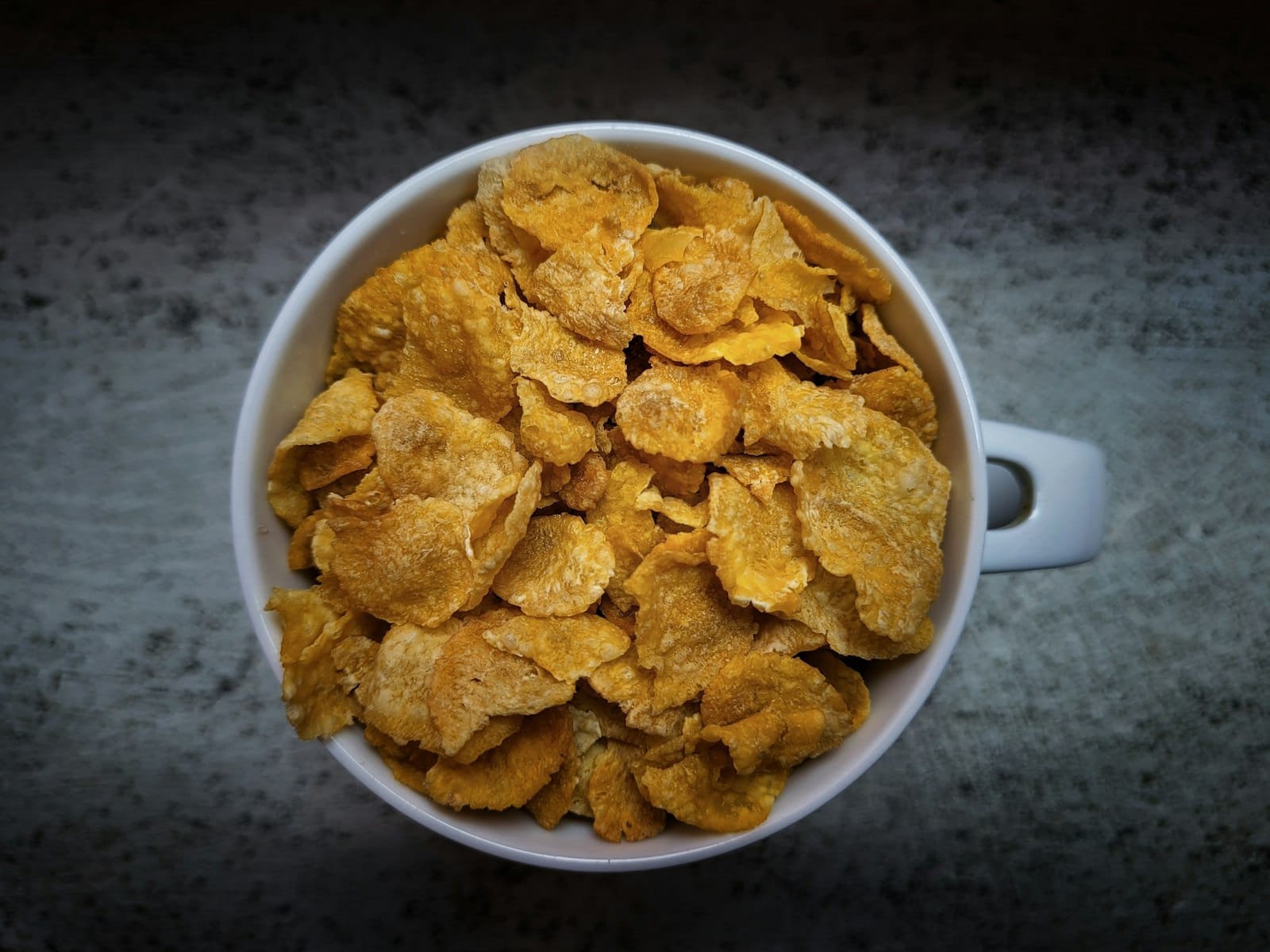
Nutritional yeast is a deactivated form of yeast (usually Saccharomyces cerevisiae), grown on molasses or a similar medium and sold as flakes or powder.
Unlike the active yeast used in baking, the yeast spores are killed off during manufacturing, so it will not make anything rise — it is purely there for flavour and nutrition. According to Veganuary’s guide to nutritional yeast, its savoury, cheese-like taste is exactly what has made it such a beloved staple in plant-based kitchens.
The nutritional benefits
Beyond its flavour, nutritional yeast brings genuine nutritional value to the table.
- Vitamin B12 — many brands are fortified, delivering a full day’s worth in just a tablespoon.
- Protein — around 8 grams per quarter cup, comparable to two tablespoons of peanut butter.
- Fibre — a useful contribution alongside its protein content.
- B vitamins & minerals — including iron, magnesium and zinc.
It is worth checking the label specifically for B12 fortification, since not every brand includes it — an important detail for anyone relying on it as a dietary source.
How to use nutritional yeast
Nutritional yeast is remarkably easy to use — no cooking or preparation required, just sprinkle or stir it in.
| Use | How to do it | Result |
|---|---|---|
| Popcorn topping | Sprinkle over freshly popped popcorn | A savoury, cheesy snack |
| Cheese sauce | Blend with cashews, plant milk and spices | A creamy, dairy-free sauce |
| Pasta & roasted vegetables | Sprinkle over finished dishes | A parmesan-like finish |
| Scrambled tofu | Stir in while cooking | A savoury, egg-like flavour |

Flakes vs powder
Nutritional yeast comes in both flake and powder form, and the choice largely comes down to how you plan to use it.
Flakes are easier to sprinkle by hand and give a slightly more textured finish, while powder blends more smoothly into sauces and dressings. Many people keep both on hand for different purposes.
A simple vegan cheese sauce
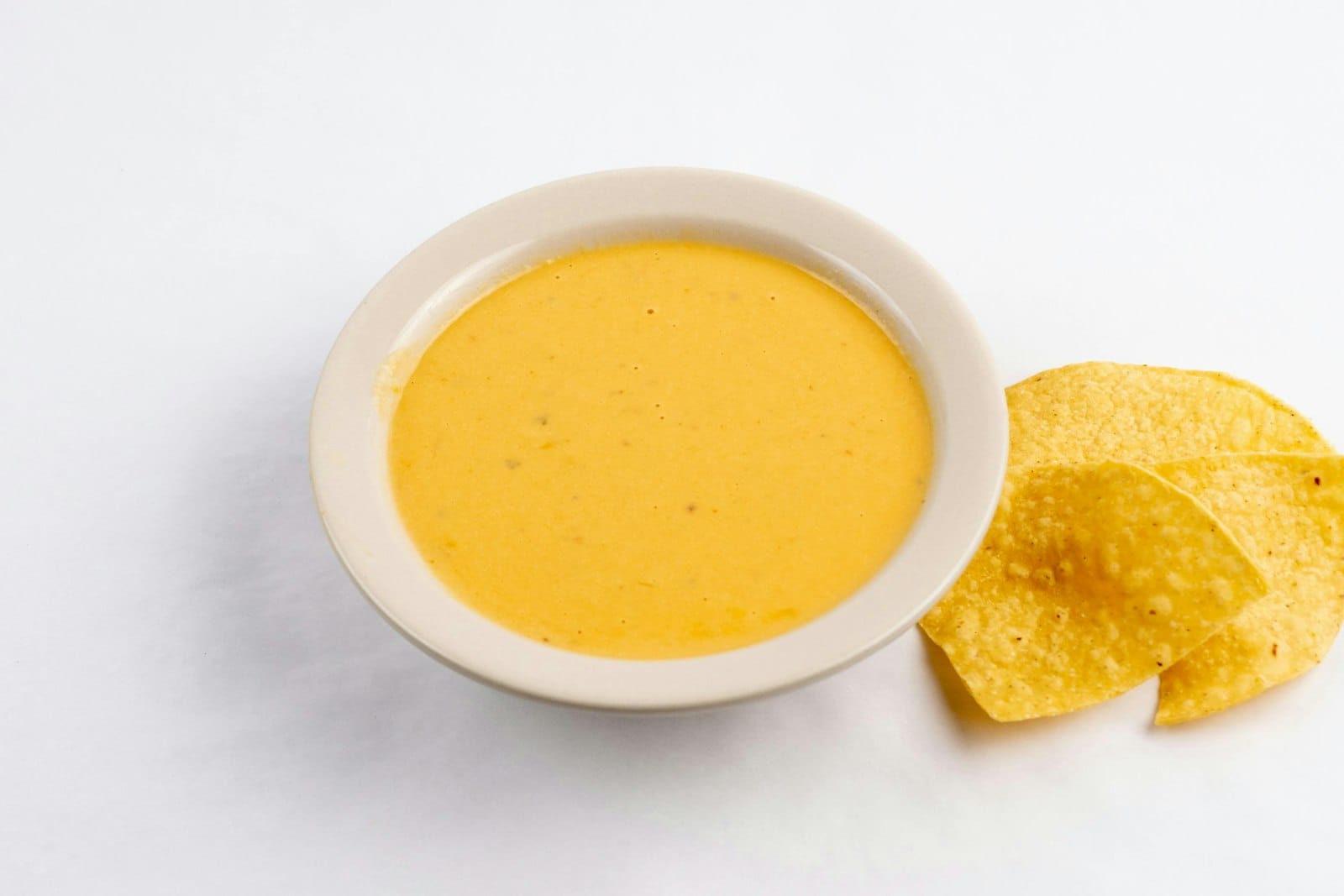
One of the most popular uses for nutritional yeast is a simple, dairy-free cheese sauce.
Blend soaked cashews, nutritional yeast, plant milk, a little garlic and lemon juice until smooth, then warm gently on the stove. It works beautifully over pasta, nachos or steamed vegetables, delivering a genuinely convincing cheesy flavour without any dairy.
A brief history of a wartime staple
Nutritional yeast has a more interesting backstory than its humble jar suggests, with roots tracing back to wartime food science aimed at cheaply boosting nutrition in rationed diets.
It has since been embraced far beyond that original purpose, becoming a genuine kitchen favourite for its flavour as much as its nutritional value.
Building it into savoury cooking
Beyond the obvious cheese-substitute uses, nutritional yeast adds a savoury depth to all kinds of dishes.
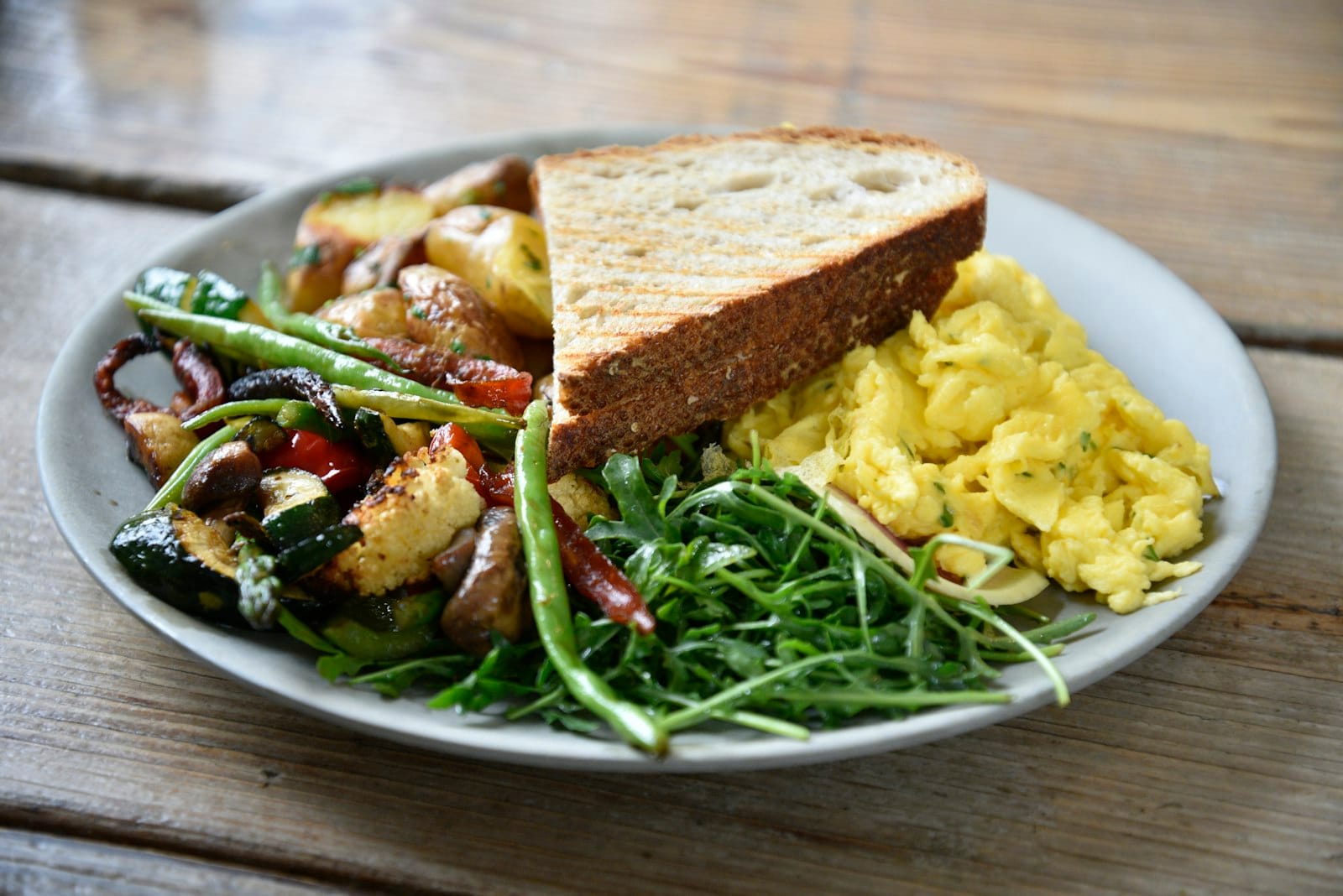
A spoonful stirred into scrambled tofu gives it a genuinely egg-like flavour, and a light dusting over roasted vegetables or soups rounds out the overall umami of a dish considerably.
Baking with nutritional yeast
It is not just for savoury dishes, either — a small amount worked into savoury bread doughs or crackers adds a subtle depth that is hard to place but genuinely improves the final result.
Homemade vegan cheese-flavoured crackers, in particular, lean heavily on nutritional yeast to get that unmistakable savoury edge.
It is a small addition worth experimenting with once the basics feel comfortable.
A note on the taste, honestly
Nutritional yeast is not for everyone on the first try — the flavour is distinct, and a little polarising if you go in expecting an exact cheese replica.
Starting with a light sprinkle rather than a heavy dusting tends to be the easier way in, letting you build up to how much you genuinely enjoy rather than overwhelming your first taste of it.
Storing nutritional yeast
Kept in an airtight container away from heat and moisture, nutritional yeast stays fresh for well over a year — a genuinely low-maintenance pantry staple.
Some people keep it in the fridge to extend freshness further, though a cool, dry pantry works perfectly well too.
A pantry staple worth trying
If you have not tried nutritional yeast yet, it is genuinely worth the small investment — few single ingredients add this much savoury depth for so little effort.
Browse our full plant-based menu at The Cardamom Pod, or explore our guide to vitamin B12 on a vegan diet for more on this important nutrient.
An easy habit worth building
Nutritional yeast is about as low-effort as pantry upgrades get — no prep, no cooking, just a sprinkle wherever a dish could use a little more savoury depth.
Keep a jar within easy reach of the stove, and it becomes second nature within a couple of weeks.
Once it does, dishes without it will start to taste like something is missing.
That is usually the sign of a genuinely good pantry addition.
Give it a proper trial across a few different dishes before deciding whether it is for you.
Most people who stick with it end up genuinely fond of the flavour within just a few tries.
Frequently asked questions
What is nutritional yeast?
Nutritional yeast is a deactivated form of yeast, grown on molasses and sold as flakes or powder, with a naturally savoury, cheesy, nutty flavour.
Is nutritional yeast the same as baking yeast?
No — nutritional yeast is deactivated during manufacturing, meaning it will not make bread rise, unlike active baking yeast.
Why do vegans use nutritional yeast?
It has a naturally cheese-like, umami flavour, making it a popular dairy-free substitute for parmesan or cheese sauce, and many brands are fortified with vitamin B12.
How do I use nutritional yeast?
Sprinkle it directly onto finished dishes like popcorn, pasta or roasted vegetables, or blend it into sauces and dressings for a savoury, cheesy depth.
Does The Cardamom Pod use nutritional yeast?
It is not a staple of our Indian-inspired menu, though it is a genuinely useful ingredient we recommend for home cooking.
Keep exploring
For more, read our guides to vitamin B12 on a vegan diet, vegan kitchen staples, and vegan protein sources.