Reading labels is one of the most practical skills for eating vegan confidently — and one of the more genuinely tricky ones, given how many animal-derived ingredients hide behind unfamiliar names.
This guide covers how to read a food label properly, and the specific terms worth watching for.
It sounds tedious at first, but once you know what to look for, it genuinely becomes a quick, automatic habit rather than a chore.
Why this skill matters
Packaged food is everywhere, and not every vegetarian-looking product is actually free from animal ingredients.
Manufacturers are not trying to deceive anyone, generally — but food labelling rules allow for genuinely vague terms, which means a careful eye is sometimes the only reliable check available.
Start with certifications
The fastest, most reliable way to check a product is to look for a genuine vegan certification logo before doing anything else.
Logos from Vegan Action (the Certified Vegan mark), The Vegan Society’s trademark, or BeVeg International all require companies to submit their full ingredient list and manufacturing process for independent verification — a shortcut that removes most of the guesswork.

Go straight to the ingredient list
Front-of-pack claims can be misleading, so the ingredient list itself is always the more reliable source.
By law, ingredients must be listed in descending order by weight, meaning the first few items make up the bulk of the product — a useful detail when quickly assessing what you are actually eating. In Australia, Food Standards Australia New Zealand sets the rules around what must appear on a label, including ingredient order and allergen declarations.
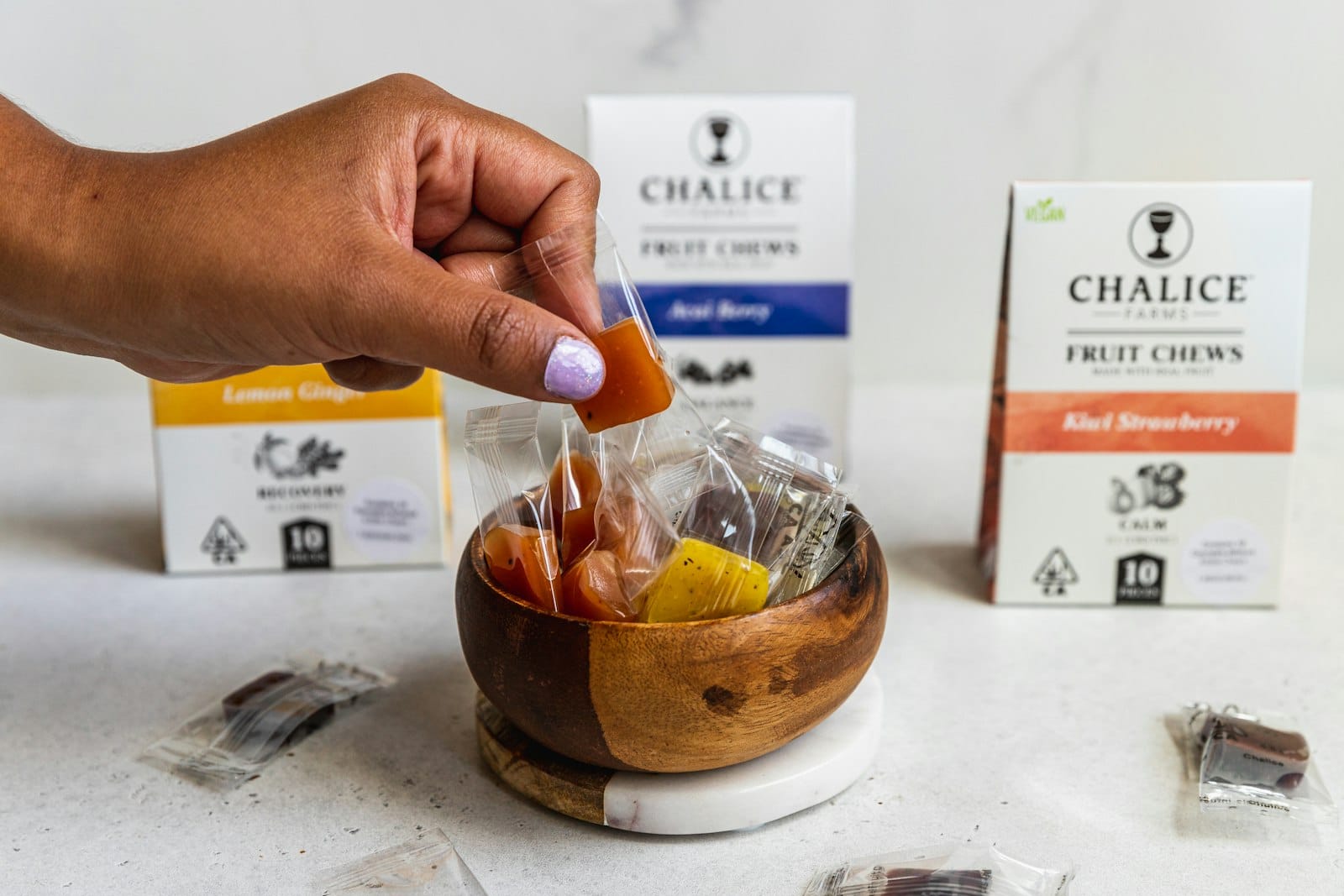
Common hidden animal ingredients
A handful of ingredient names come up again and again, and are worth learning to spot quickly.
| Ingredient | What it is | Commonly found in |
|---|---|---|
| Casein / whey | Milk proteins | Some breads, processed snacks |
| Gelatin | From animal bones and connective tissue | Gummy sweets, some marshmallows |
| Carmine / cochineal | From crushed beetles | Red-coloured foods, some drinks |
| Isinglass | From fish bladders | Some wine and beer clarification |
| L-cysteine | Often from duck feathers or hair | Some commercial bread dough |
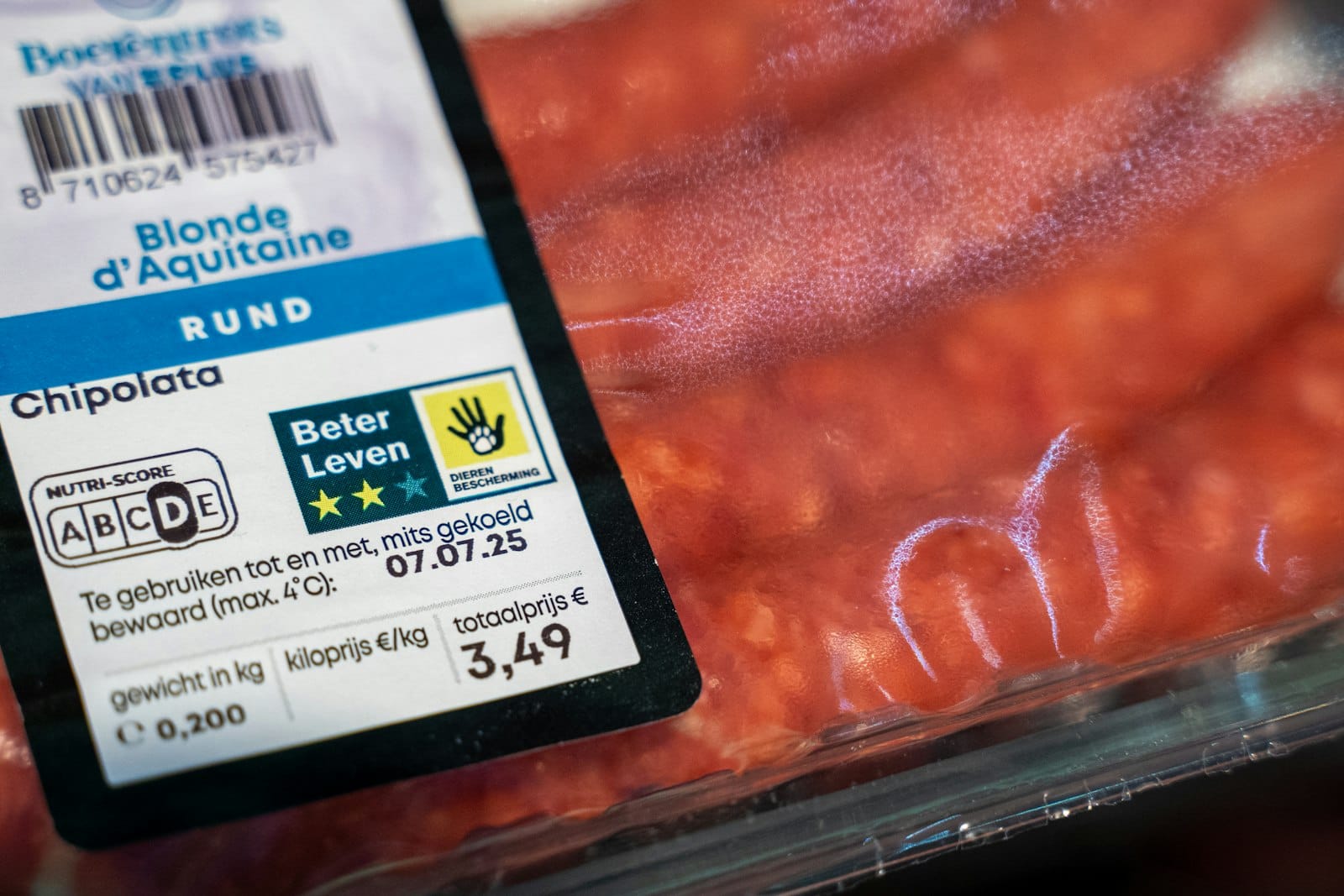
The tricky case of “natural flavours”
“Natural flavours” is one of the most common ingredients on packaged food labels, and also one of the least transparent.
It is a broad legal term that can technically include animal-derived components without specifying them further. If a product is not certified vegan and lists natural flavours, it is worth a quick check with the manufacturer if you want full certainty.

Watch out for these too
A handful of additional terms are worth knowing beyond the most obvious ones.
- Lanolin — derived from sheep’s wool, sometimes found in vitamin D3 supplements.
- Shellac / confectioner’s glaze — from the lac beetle, used to coat some sweets and fruit.
- Vitamin D3 — often derived from lanolin, though a vegan D3 from lichen is increasingly available.
- Omega-3 fortification — sometimes sourced from fish oil, even in otherwise plant-based products.
Using apps and databases as a backup
Several apps and online databases let you scan a barcode or search a product name to quickly check its vegan status, which can be a handy backup when a label itself is ambiguous.
These tools are not infallible — formulations change, and databases can lag behind — but they are a useful second opinion alongside your own label-reading, particularly for products you buy regularly.
E-numbers worth knowing
European-style E-number codes appear on some imported and packaged products, and a handful are worth recognising since they are not always obviously animal-derived from the number alone.
- E120 (carmine) — the same crushed-beetle colouring listed above, sometimes coded rather than named.
- E441 (gelatin) — occasionally used as a setting agent in desserts and confectionery.
- E901 (beeswax) — used as a glazing agent on some fruits and sweets.
- E904 (shellac) — the same confectioner’s glaze, sometimes listed by its E-number instead.
Keeping a mental shortlist of these alongside the plain-language terms covers most of what you are likely to encounter on Australian shelves.
Reading allergen warnings for clues
Allergen statements are a useful secondary check, since they are regulated more strictly than general ingredient lists.
A “contains milk” or “may contain egg” warning is an immediate, reliable sign a product is not suitable, even before you have finished reading the full ingredient list.
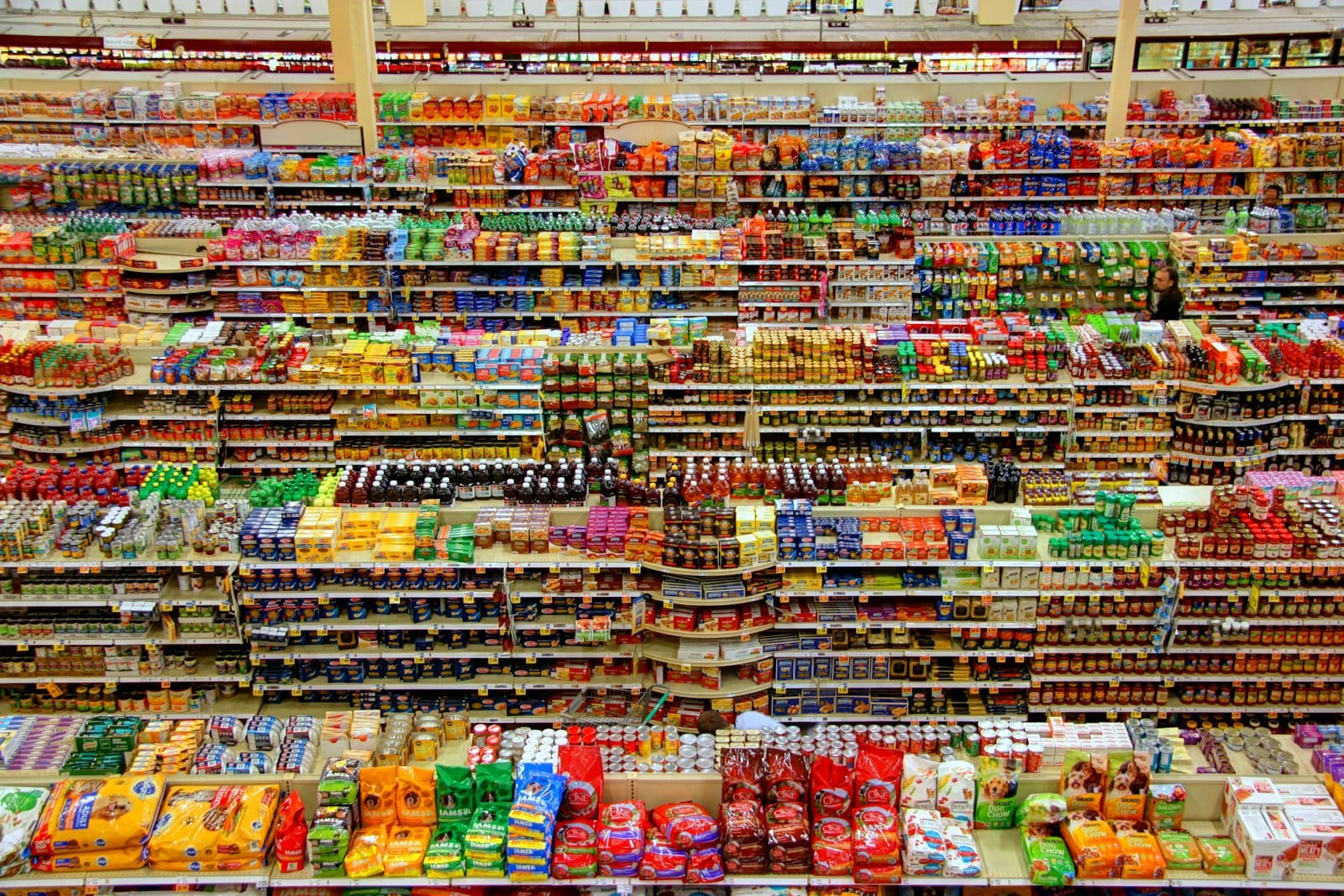
A note on cross-contamination
Labels and menus generally address ingredients rather than preparation, so a technically vegan product or dish can still be produced on shared equipment with animal-derived ones. For most people this is a minor consideration, but it is worth knowing if you are cooking or eating for someone with stricter needs.
Eating out and reading menus
The same watchfulness applies away from the supermarket — restaurant menus do not carry ingredient lists, so a quick question to staff about stock, sauces or glazes is often the only reliable way to confirm a dish is genuinely vegan.
Hidden animal ingredients turn up in restaurant kitchens too, most often in the form of butter finishes, fish sauce, chicken or beef stock, and honey used as a sweetener — none of which are always obvious from a menu description alone.
Building the habit
Reading labels gets faster and easier with practice — after a while, you will recognise the common flagged terms almost instantly rather than needing to look each one up.
Keeping a mental (or literal) shortlist of your usual go-to brands also saves time, since you will already know which products are reliably vegan without re-checking every trip.
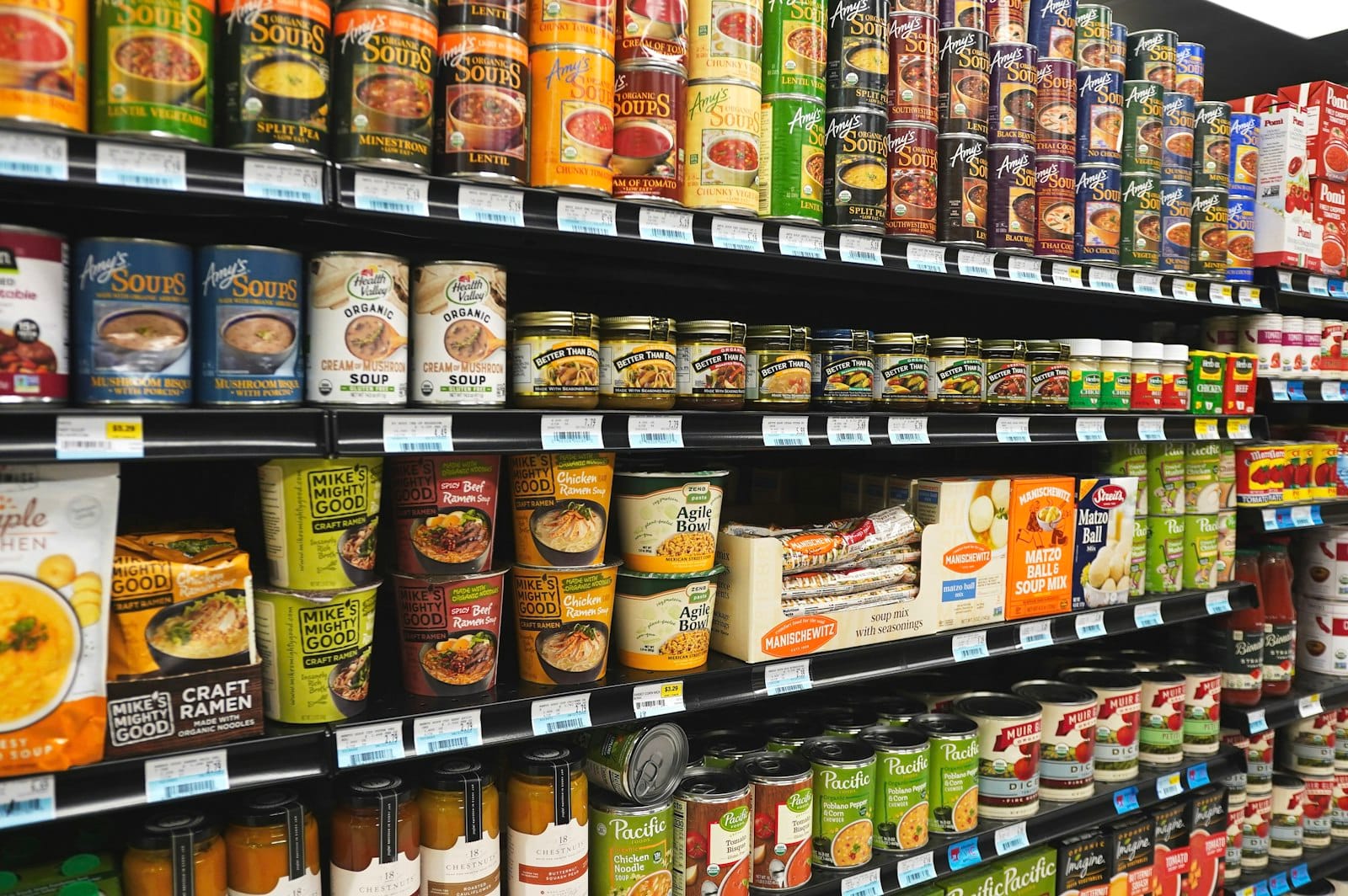
Shopping with confidence
Once label-reading becomes second nature, grocery shopping stops feeling like detective work and starts feeling like second nature.
For more on where to shop for reliably vegan products, see our guide to vegan grocery shopping on the Gold Coast, or browse our full plant-based menu at The Cardamom Pod, where every dish is already vegan by default.
A skill that pays off quickly
The first few grocery trips after learning to read labels properly can feel slow, as you get used to checking things you previously would have skipped over.
It speeds up remarkably fast, though, and within a few weeks becomes second nature rather than a chore.
A little diligence upfront buys a lot of confidence at the checkout later on.
Frequently asked questions
What are common hidden animal ingredients?
Casein and whey (milk proteins), gelatin (from animal bones), carmine (from crushed insects), and isinglass (from fish bladders, used in some wine and beer) are all common ones to watch for.
Is “natural flavours” always vegan?
Not necessarily — “natural flavours” is a broad legal term that can legally include animal-derived components, so it is worth treating with a little caution.
What do vegan certification logos mean?
Logos like Certified Vegan (Vegan Action), The Vegan Society trademark, or BeVeg require companies to submit ingredient lists and manufacturing processes for verification, offering a reliable shortcut.
Should I check allergen warnings for vegan concerns?
Yes — allergen statements like “contains milk” or “may contain egg” can quickly flag a product as unsuitable, even if the ingredient list itself is not immediately obvious.
What should I do if a label is unclear?
Contact the manufacturer directly for clarification if an ingredient or claim is ambiguous — most companies are used to these questions and happy to answer.
Keep exploring
For more, read our guides to vegan grocery shopping on the Gold Coast, eating plant-based on a budget, and common vegan food myths, busted.