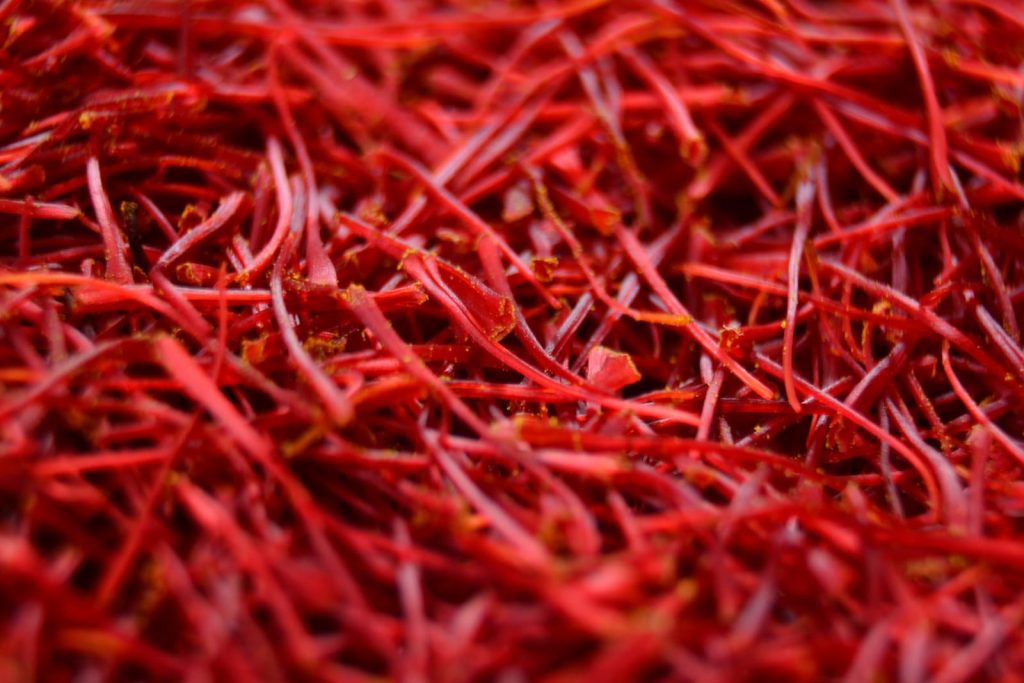
Saffron holds a unique place in the spice world — the most expensive spice by weight, and one with a flavour and colour genuinely unlike anything else in the kitchen.
This guide covers what makes saffron worth the investment, the evidence behind its health claims, and how to use it well without wasting a single precious thread.
It has a genuinely fascinating history too — traded, treasured and occasionally counterfeited for thousands of years, long before “superfood” was ever a marketing term.
A spice with an ancient history
Saffron’s use stretches back thousands of years, with evidence of cultivation and trade across ancient Persia, Greece and beyond.
It has been used as a dye, a medicine and a culinary spice across countless cultures, which says something about how consistently valuable this small, delicate thread has proven to be across human history.
Why saffron costs so much
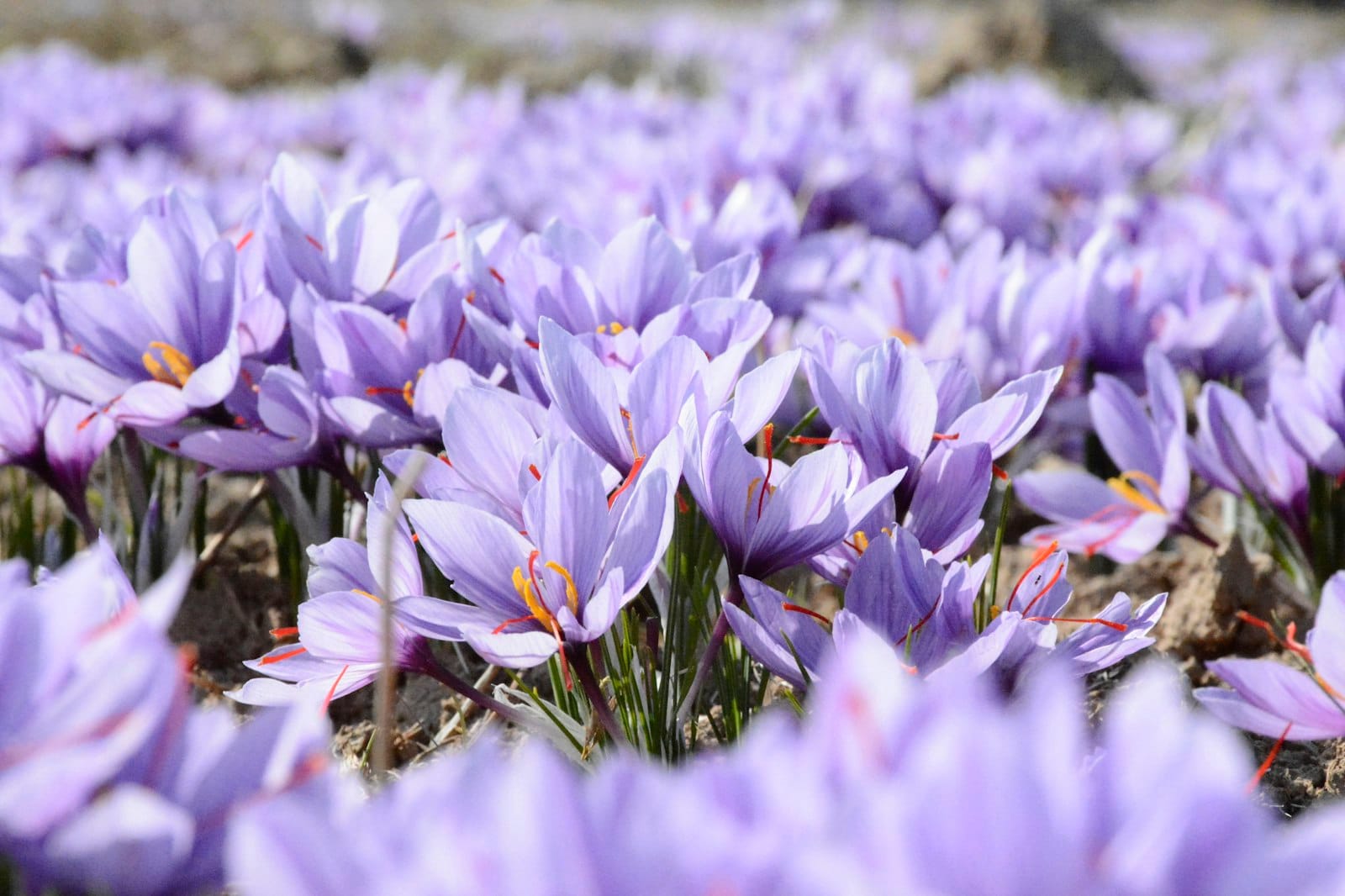
Saffron comes from the stigmas of the crocus flower (Crocus sativus), each flower producing just three tiny threads, all harvested entirely by hand.
It takes roughly 150 flowers to produce a single gram of saffron, and each flower blooms for only a short window each year. That intensive, seasonal, hand-harvested process is exactly why saffron carries such a high price tag — it genuinely cannot be mechanised or rushed.
The health benefits, briefly
Beyond its culinary reputation, saffron has a growing body of research behind its potential health benefits.
- Antioxidant properties — from compounds including crocin, crocetin and safranal.
- Anti-inflammatory effects — among its more consistently researched benefits.
- Mood support — some studies suggest saffron may help with mild depression and anxiety.
- Antioxidant protection — supporting the body against oxidative stress.
According to Healthline’s overview of saffron, much of this research is still developing, and saffron should be enjoyed as a genuinely flavourful spice first, with any health benefits as a welcome bonus rather than the primary reason to use it.
The flavour and colour saffron brings
Saffron has a distinctive, slightly floral, honey-like flavour with a subtle earthiness — genuinely unlike any other spice.
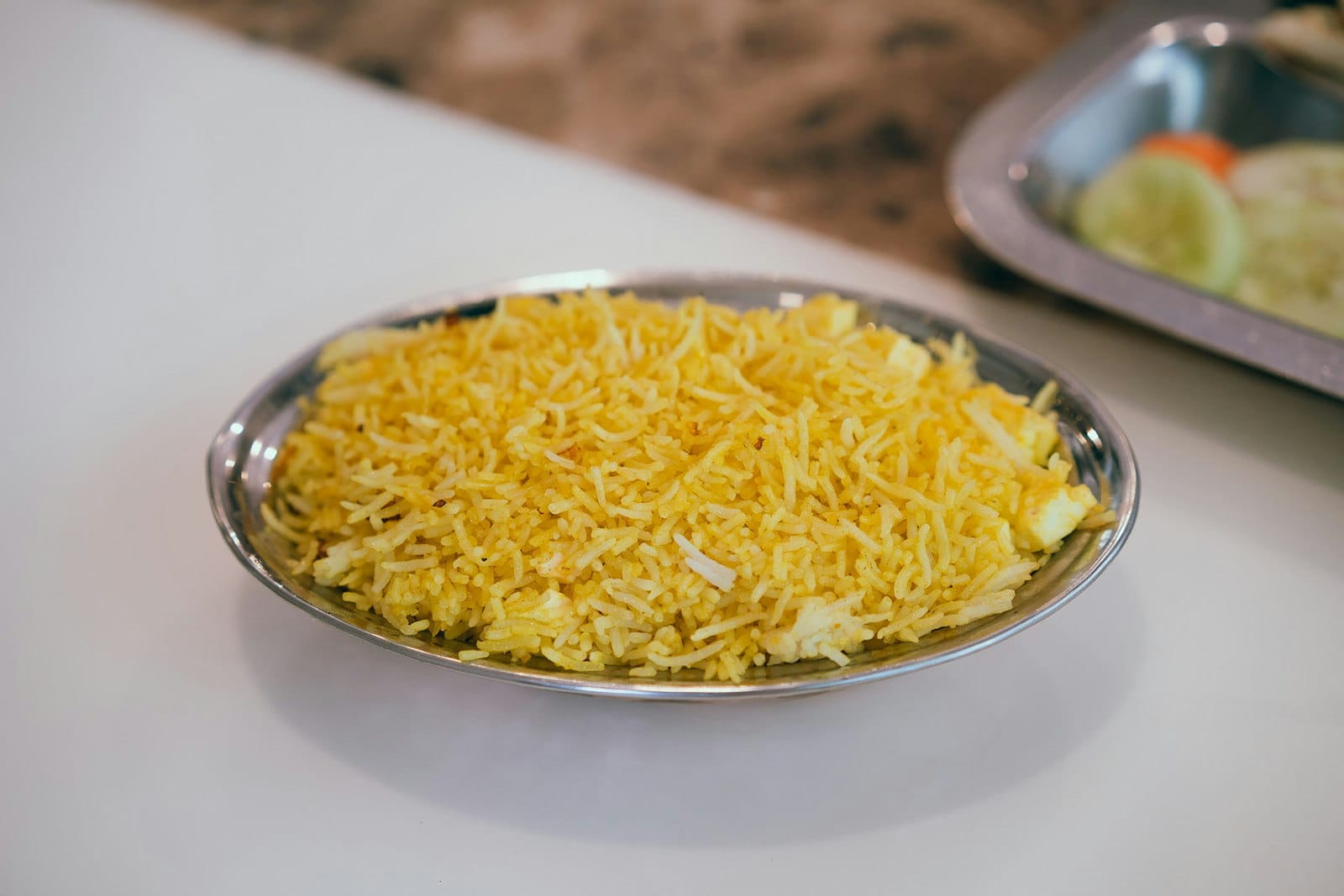
Its most recognisable trait, though, is colour: a small amount transforms rice, broths and sauces into a rich golden yellow, which is why it has been prized in cooking for millennia, well before its flavour was the primary draw.
How to use saffron properly
A few small techniques make a real difference to how much flavour and colour you get from your saffron.
| Method | How to do it | Best for |
|---|---|---|
| Steep in liquid | Soak threads in warm water or stock for 10 minutes | Rice dishes, broths, sauces |
| Grind first | Crush threads with a mortar and pestle before steeping | Maximum flavour extraction |
| Add directly | Sprinkle threads straight into a simmering dish | Simple, quick preparations |
| Infuse in milk | Warm plant milk with threads for desserts | Sweet dishes, drinks |
Saffron substitutes: when to use them
Given the price, it is fair to wonder whether a substitute can do the job in a pinch — and the honest answer is: partially.
Turmeric can mimic the colour reasonably well, though it brings a very different, earthier flavour. There is genuinely no substitute for saffron’s actual taste, which is exactly why dishes built around it rarely skip it entirely.
Dishes that showcase saffron
A handful of classic dishes exist almost entirely to showcase what saffron can do.
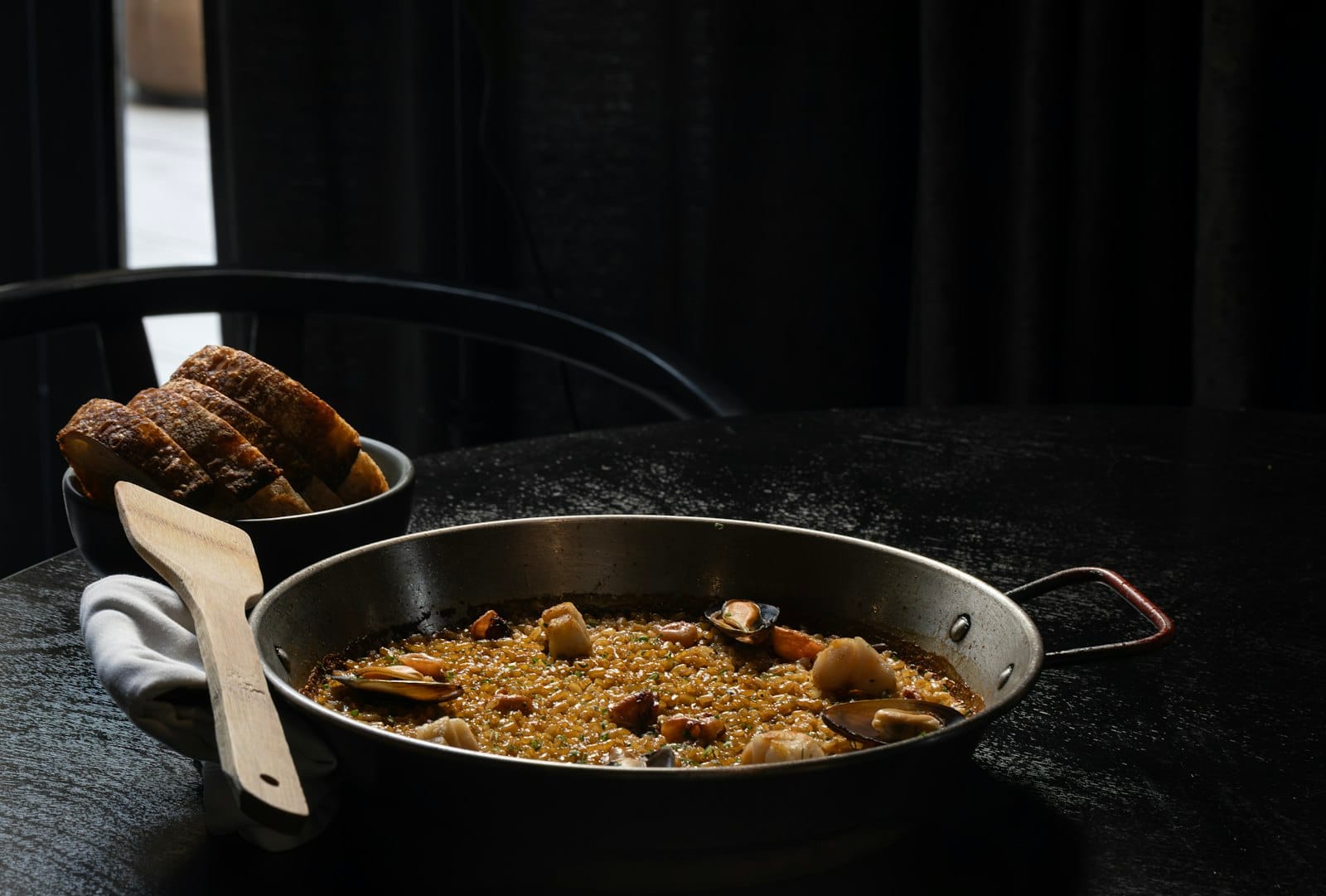
Spanish paella and Persian saffron rice both use it as the defining flavour and colour. Middle Eastern and South Asian desserts often use saffron-infused milk for a fragrant, golden finish, proving the spice works just as beautifully in sweet dishes as savoury ones.
Spotting fake or low-quality saffron
Given its price, saffron is one of the more commonly adulterated spices on the market, so a little caution when buying pays off.
Genuine threads are deep red with a slightly trumpet-shaped end, and should smell distinctly floral and slightly hay-like, not flat or dusty. Powdered saffron is far easier to fake than whole threads, so buying threads whenever possible is the safer choice.
Buying and storing saffron wisely
Given the price, it is worth buying saffron from a reputable source and checking for genuine, deep red threads rather than a dull, mixed colour, which can indicate lower quality or adulteration.
Store it in an airtight container away from light and heat, where it will keep its potency for a couple of years — a little planning that protects a genuinely valuable investment.

Saffron at The Cardamom Pod
Saffron appears in some of our special dishes, adding colour and a distinctive floral note in keeping with the rich spice traditions that inspire our fully plant-based menu.
Browse our full plant-based menu, or explore our guide to turmeric, a more everyday golden spice worth knowing too.
An occasional indulgence worth having
Given the price, saffron is never going to be an everyday pantry staple the way turmeric or cumin might be — and that is genuinely part of its appeal.
Reserved for special dishes and occasions, a small jar goes a remarkably long way, and the moment it hits a dish, you will understand exactly why cooks have prized it for millennia.
Treat yourself to a proper jar at least once, and see what all the fuss is genuinely about.
It is a small luxury that makes an outsized difference to the right dish.
Few ingredients reward such a small quantity with such a memorable result.
That, more than anything else, is the real case for keeping a small jar close at hand.
Frequently asked questions
Why is saffron so expensive?
Saffron comes from the delicate stigmas of the crocus flower, harvested entirely by hand, with roughly 150 flowers needed to produce just one gram — making the labour cost extremely high.
What are the health benefits of saffron?
Saffron carries antioxidant and anti-inflammatory properties, and research has shown promising links to mood support, with some studies suggesting benefits for mild depression and anxiety.
How much saffron should I use in cooking?
A little goes a very long way — a small pinch (around 10–15 threads) is usually enough to flavour and colour a dish for four people.
How do I use saffron in cooking?
Steep the threads in a small amount of warm water or stock for about 10 minutes before adding to your dish, which helps release the colour and flavour more evenly than adding them dry.
Does The Cardamom Pod use saffron?
Saffron appears in some of our special dishes, adding colour and a distinctive floral note in keeping with the Indian culinary traditions that inspire our menu.
Keep exploring
For more, read our guides to turmeric benefits and uses, cardamom benefits and uses, and cumin benefits and uses.