If you have spent any time exploring plant-based food, you have met the big three: tofu, tempeh and seitan. They turn up on menus and in recipes everywhere, yet plenty of people are not quite sure how they differ.
The short answer is that all three are excellent, versatile plant proteins — but they are made differently, taste different, and each shines in its own way. This guide breaks down how tofu, tempeh and seitan compare so you can cook (and order) with confidence.
Whether you are chasing protein, avoiding gluten, or simply want to mix up your meals, there is a place for each on your plate.
What are tofu, tempeh and seitan?
Although they are often grouped together, these three proteins come from very different origins.
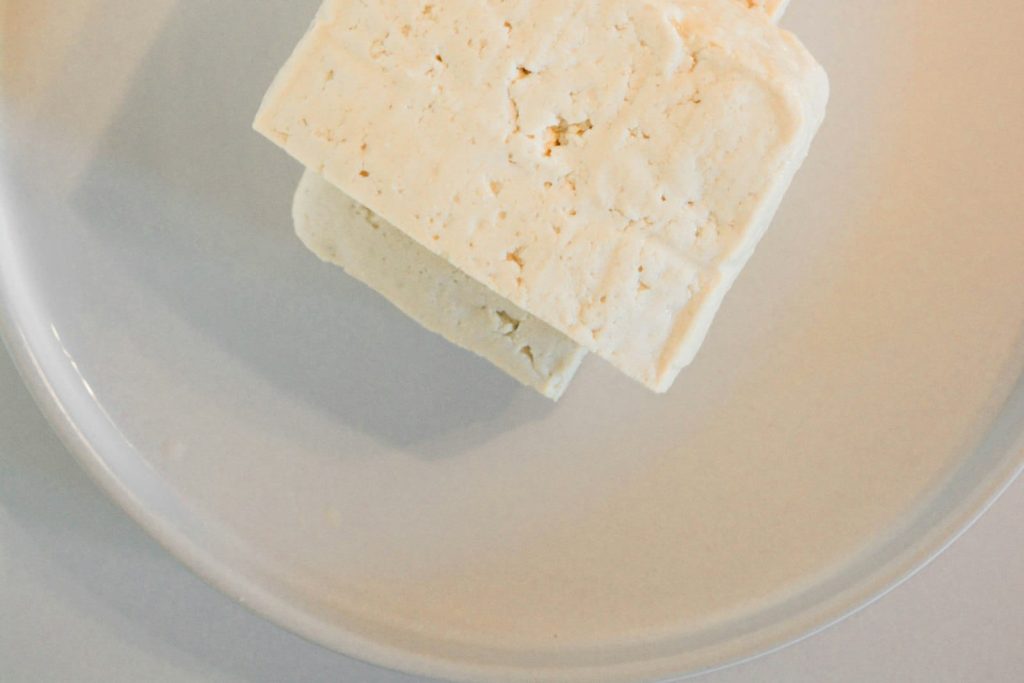
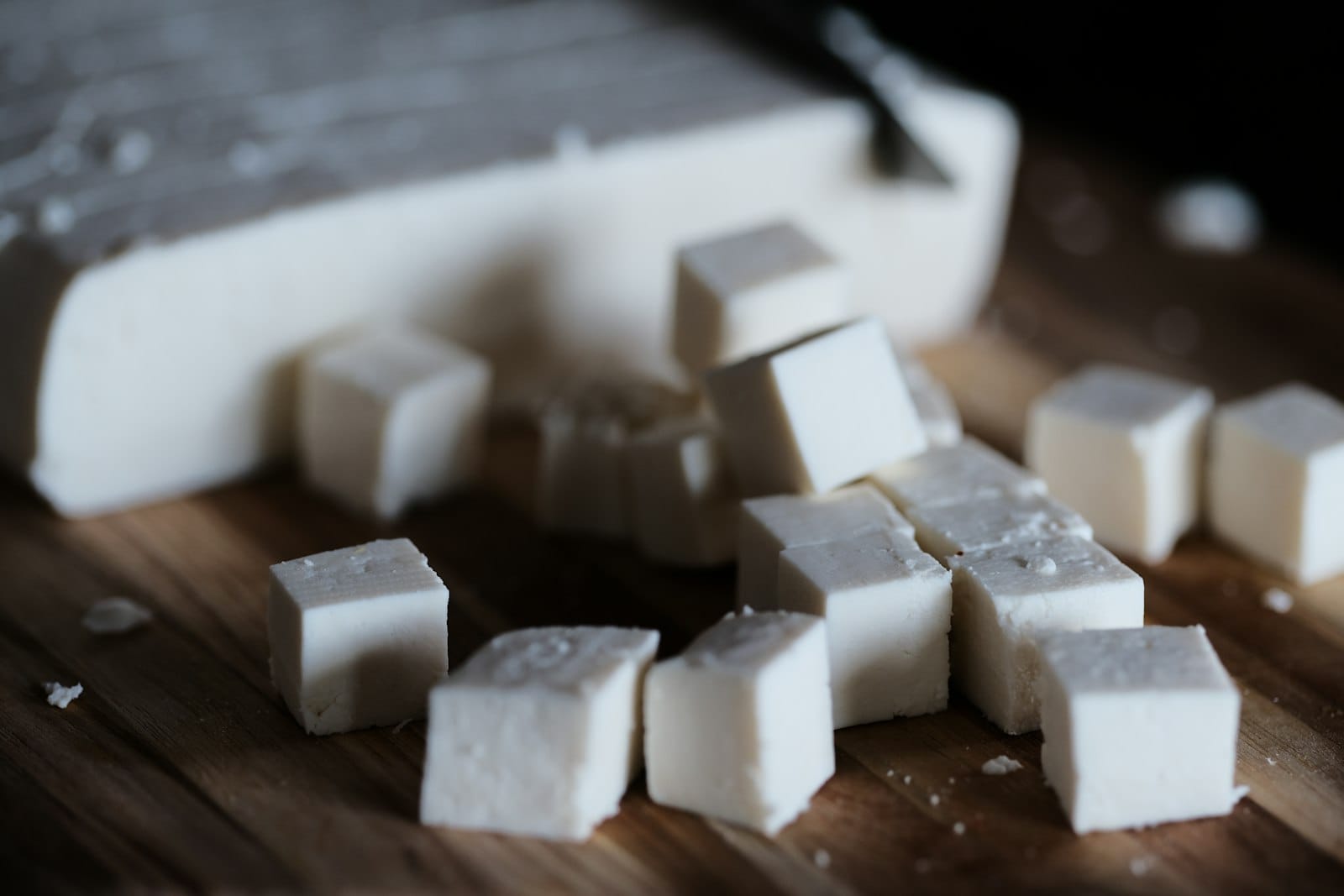
Tofu is made by curdling soy milk and pressing it into blocks — a bit like the plant-based cousin of cheese-making. It has a soft, neutral character and comes in textures from silken to extra-firm.
Tempeh is made from whole soybeans that are fermented and pressed into a firm cake. That fermentation gives it a nutty, savoury flavour, a satisfying bite, and gut-friendly probiotics.
Seitan is different again: it is made from vital wheat gluten, the protein of wheat. Kneaded and cooked, it develops a dense, chewy, meat-like texture that makes it a favourite for mock meats.
Tofu vs tempeh vs seitan: the comparison
Here is how the three stack up at a glance. Figures are approximate, per 100g.
| Tofu | Tempeh | Seitan | |
|---|---|---|---|
| Protein | ~8g | ~19g | ~25g |
| Calories | ~94 | ~167 | ~141 |
| Made from | Curdled soy milk | Fermented soybeans | Wheat gluten |
| Texture | Soft–firm, neutral | Firm, nutty, chewy | Dense, chewy, meaty |
| Gluten-free? | Yes | Yes | No |
| Best for | Scrambles, smoothies, stir-fries | Bowls, grilling, marinating | Burgers, roasts, mock meats |
As the numbers show, seitan is the protein heavyweight, tempeh offers a great balance of protein and fibre, and tofu is the lightest and most adaptable. For a deeper nutritional dive, Healthline compares tempeh and tofu in detail.
How to cook each one
Getting the best from these proteins is all about matching the ingredient to the method.
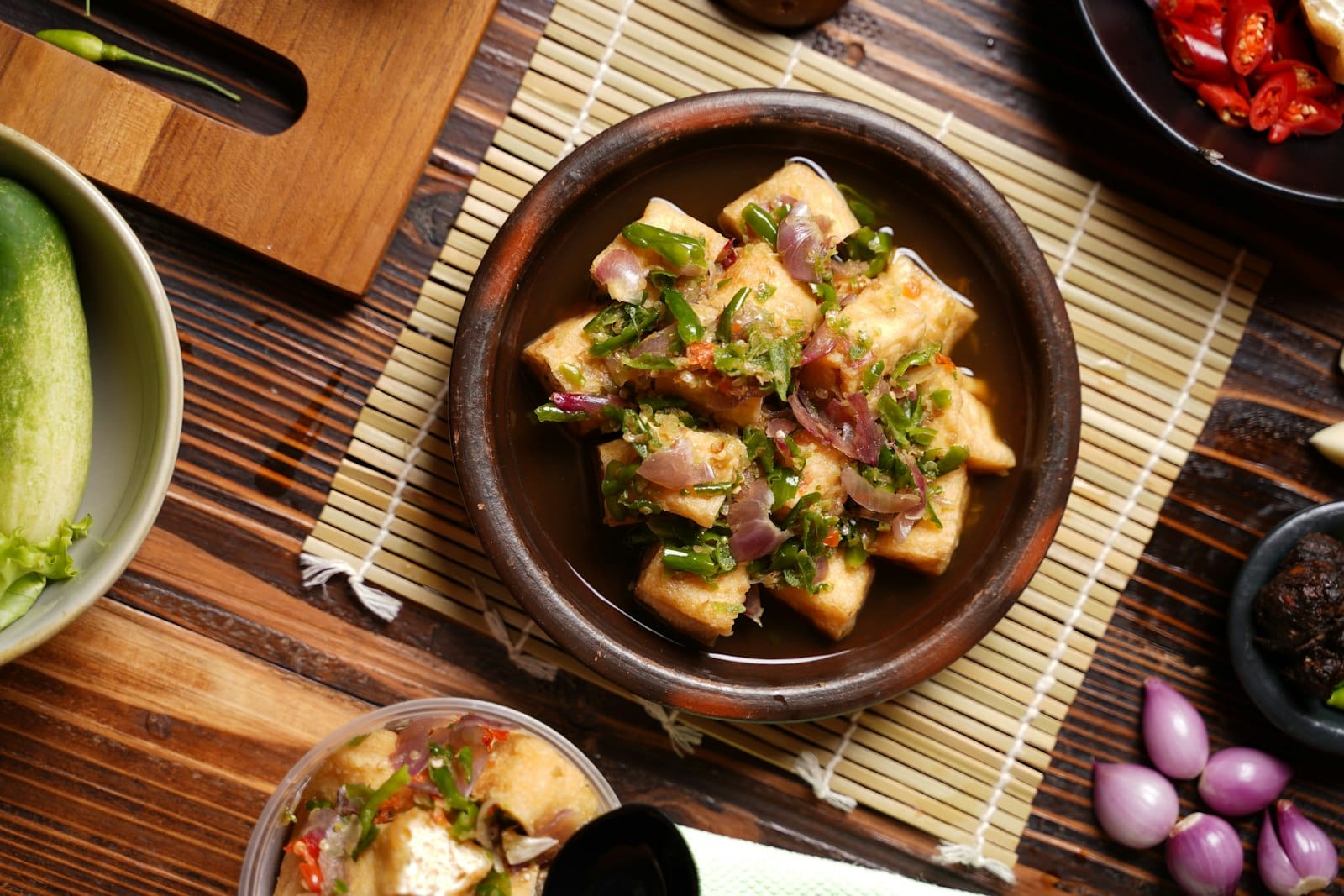
- Tofu — press out excess water, then bake, pan-fry or crumble into scrambles. Firm and extra-firm hold their shape; silken blends into sauces and smoothies.
- Tempeh — steam or simmer briefly to mellow any bitterness, then marinate and grill, pan-fry or crumble into bowls and ragùs.
- Seitan — slice or shred and sear, roast or braise; it loves bold sauces and stands in beautifully for meat in burgers and stews.
Which should you choose?
There is no single winner — the right pick depends on what you are making and what your body needs.
Reach for tofu when you want a light, endlessly flexible protein that soaks up flavour. Choose tempeh when you want more protein and fibre plus a hearty, nutty bite — and the bonus of fermentation. Pick seitan when you want the most protein and a genuinely meaty texture, and gluten is not a concern.
The truth is that the best plant-based cooks use all three, rotating them through the week for variety, nutrition and interest. You do not have to choose just one.
Try them at The Cardamom Pod
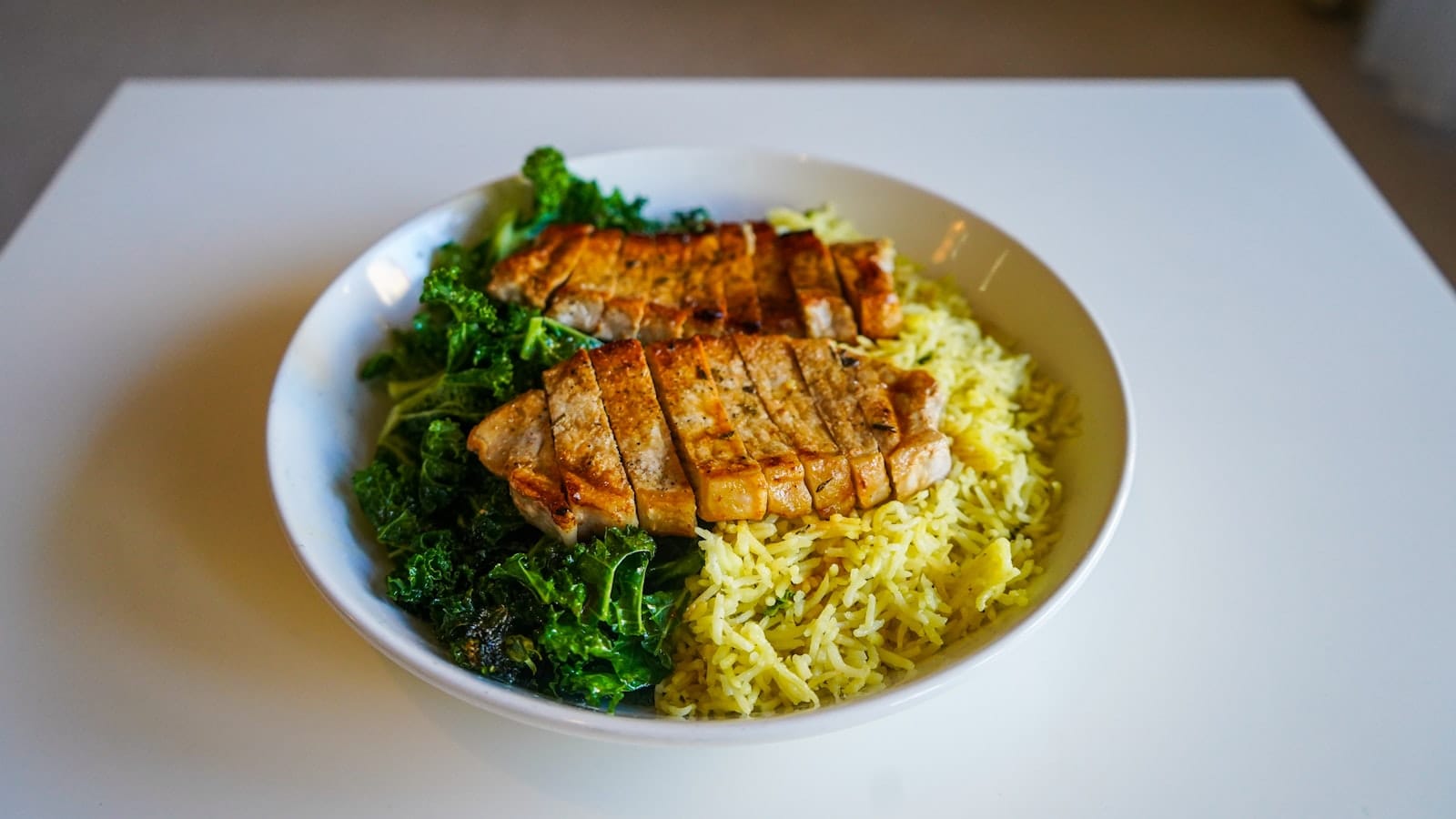
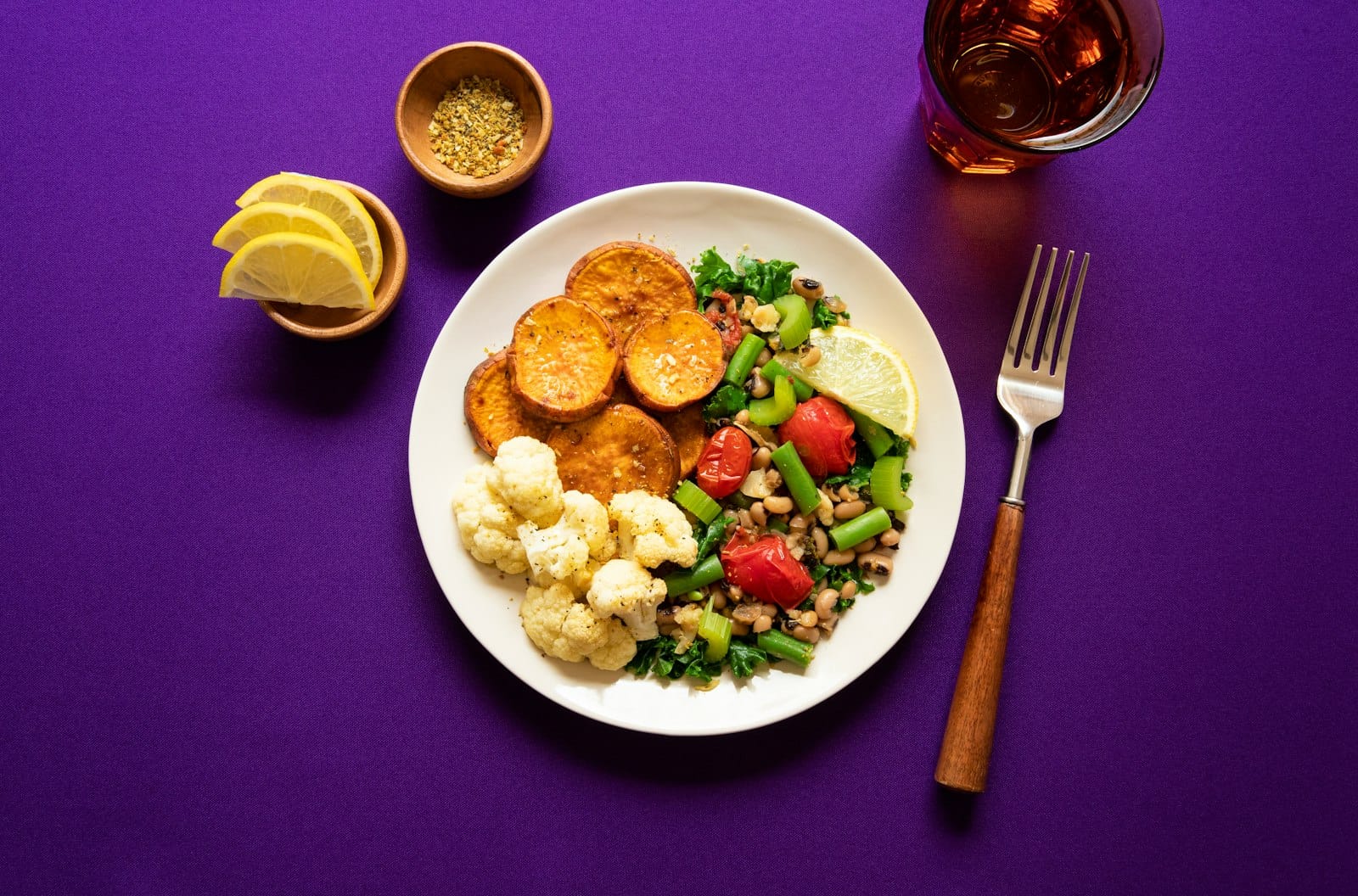
If you would rather leave the cooking to someone else, our kitchen puts these proteins to work. At The Cardamom Pod in Southport, you will find teriyaki tofu in our Okinawa Longevity Platter and tempeh in the Flourish Bowl — both firm favourites.
Everything is made in a fully plant-based kitchen, so you can explore these proteins in dishes designed to make the most of them. Browse the full plant-based menu at The Cardamom Pod, take a look at our food gallery, or book a table at The Brickworks in Southport.
The bottom line
Tofu, tempeh and seitan are three of the most useful ingredients in plant-based cooking. Tofu is light and versatile, tempeh is nutty and gut-friendly, and seitan is protein-packed and meaty.
Learn how each behaves and you will never be short of a satisfying, high-protein plant-based meal — at home or when you are eating out.
Getting the most from each protein
A few simple habits take your tofu, tempeh and seitan from good to genuinely great — and help avoid the mistakes that put people off in the first place.
With tofu, the golden rule is to remove moisture. Press firm or extra-firm tofu for at least 15 minutes before cooking, and a light dusting of cornflour before frying gives you those irresistibly crisp, golden edges. Skip the pressing and you will end up with a soft, watery result that never browns.
Tempeh rewards a little patience. A quick steam takes away any bitterness, and the longer you leave it in the marinade, the deeper the flavour. Because it is so firm, it holds up beautifully on a grill or in a hot pan without falling apart.
Seitan can turn rubbery if it is overworked or cooked too fast. Treat it gently — a low-and-slow braise or a quick sear with a good sauce keeps it tender and meaty. And whatever you are cooking, season boldly: these proteins are a blank canvas, so they can take far more flavour than you might expect.
Frequently asked questions
Which has the most protein: tofu, tempeh or seitan?
Seitan is the highest, with around 25g of protein per 100g. Tempeh follows at roughly 19g, and tofu sits at about 8g per 100g. All three are excellent plant proteins — the best choice depends on your dish and dietary needs.
Is tofu, tempeh or seitan the healthiest?
It depends on your goals. Tofu is lowest in calories and very versatile, tempeh adds fibre and gut-friendly probiotics through fermentation, and seitan is the most protein-dense. A varied plant-based diet happily uses all three.
Which of these is gluten-free?
Tofu and tempeh are naturally gluten-free (always check tempeh isn’t made with added grains). Seitan is made from wheat gluten, so it is not suitable for anyone with coeliac disease or gluten sensitivity.
Which tastes the best?
Taste is personal. Tofu is neutral and takes on any flavour, tempeh is nutty and firm, and seitan is savoury and chewy like meat. Marinades and cooking method make a huge difference to all three.
Can I use them interchangeably in recipes?
Often, yes — with small tweaks. Tofu suits scrambles and smoothies, tempeh is great grilled or in bowls, and seitan shines in mock-meat dishes. Adjust marinating and cooking time to suit each.
Keep exploring plant-based eating
For more inspiration, read our guides to the best vegan protein sources, what tempeh is and how to use it, and the best vegan restaurants on the Gold Coast.