Tempeh is one of the most underrated ingredients in plant-based cooking. Firm, nutty and packed with protein, it has been a staple in Indonesia for centuries — and it is finally getting the attention it deserves on menus everywhere.
If you have spotted it on a cafe menu or in the fridge aisle and wondered what it actually is, this guide has you covered: what tempeh is made from, how it tastes, why it is so good for you, and how to cook it at home.
Once you get to know tempeh, it may just become your favourite plant protein.
What is tempeh, exactly?
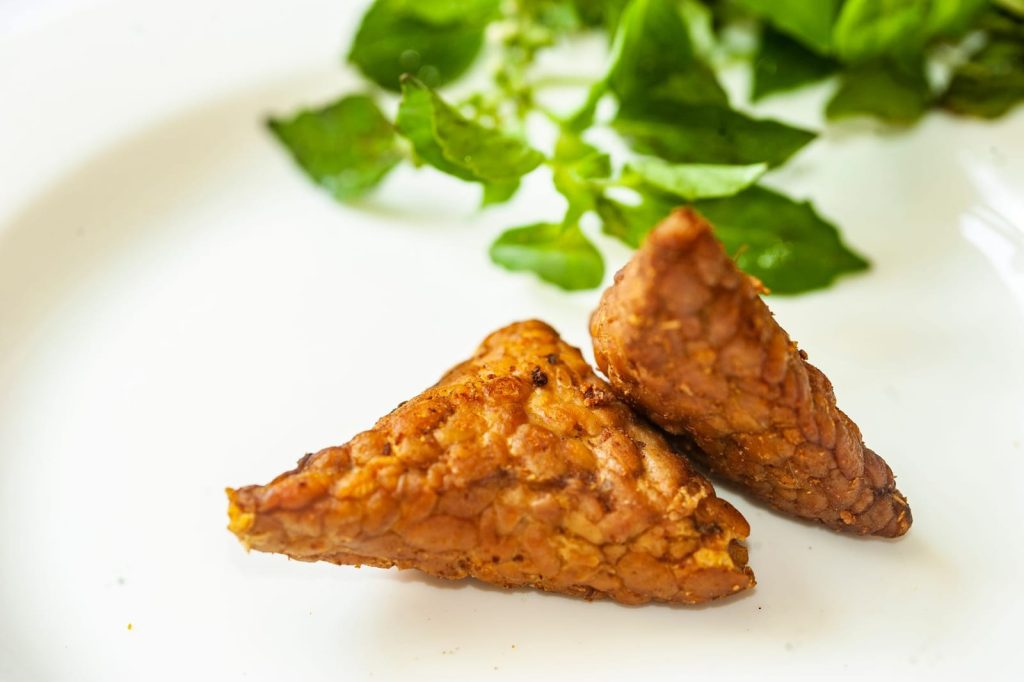
Tempeh is a traditional Indonesian food made from whole soybeans that are cooked and then fermented with a natural culture. As it ferments, the beans bind together into a firm, sliceable cake shot through with a fine white web.
That fermentation is the magic. It develops tempeh’s signature nutty, savoury flavour, makes the soybeans easier to digest, and creates gut-friendly probiotics along the way.
Because it uses the whole bean, tempeh is minimally processed and keeps all its fibre — which sets it apart from many other plant proteins. You can read more about the health benefits of tempeh at BBC Good Food.

What does tempeh taste like?
Tempeh has a firm, meaty texture and a nutty, slightly earthy, savoury flavour. Some people notice a faint bitterness in plain tempeh, but a quick steam or simmer before cooking softens that completely.
Its real superpower is how well it absorbs flavour. Marinate tempeh and it will happily take on smoky barbecue, sticky teriyaki, spicy sambal or zesty citrus — which is why it works across so many cuisines.
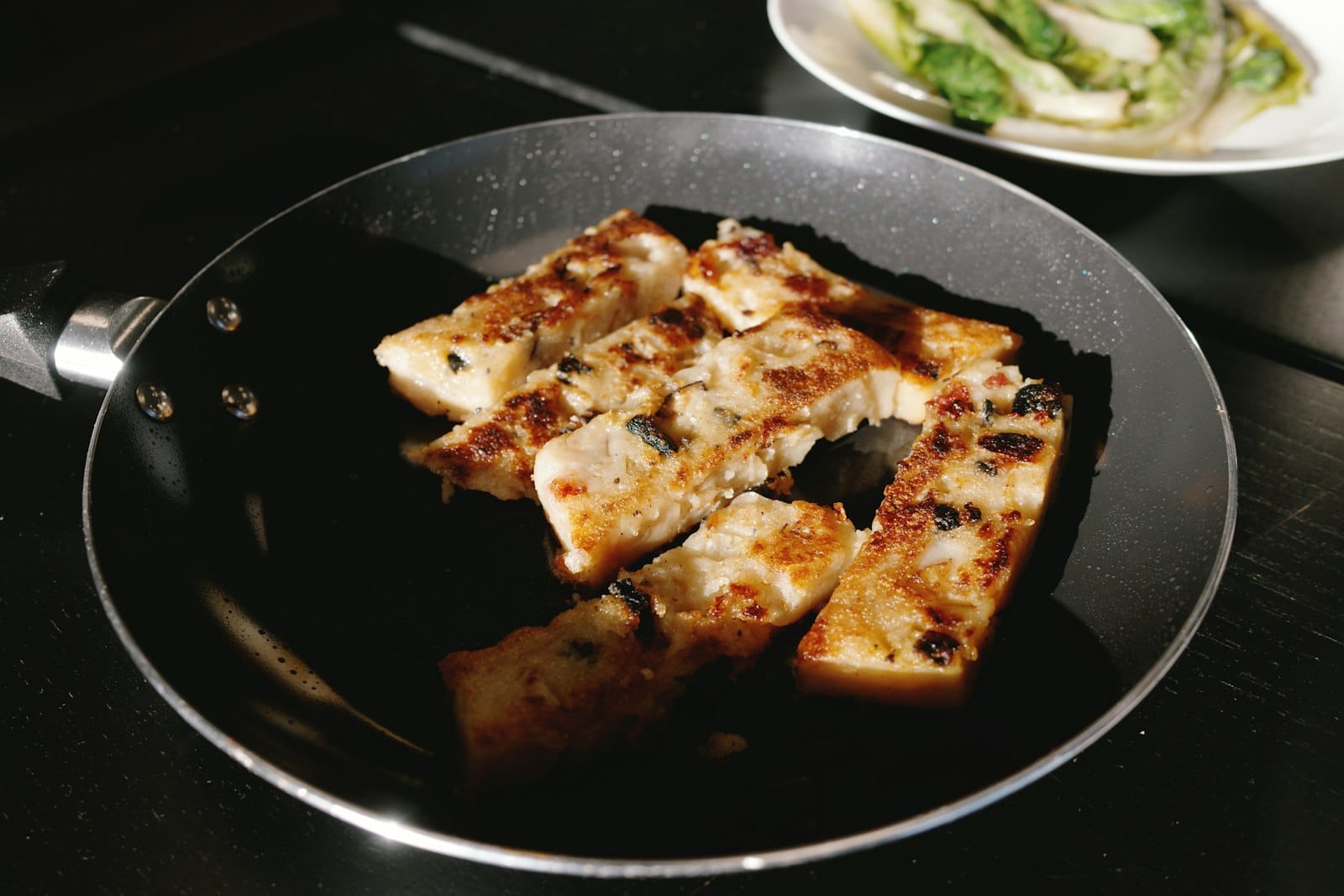
The health benefits of tempeh
Tempeh is a genuine nutritional all-rounder, which is a big part of its growing popularity.
- High in protein — around 19g per 100g, close to double that of firm tofu.
- Rich in fibre — because it is made from the whole soybean.
- Gut-friendly — fermentation adds beneficial probiotics.
- Nutrient-dense — a good source of iron, manganese and B vitamins.
- Minimally processed — a simple, wholefood way to eat more plants.
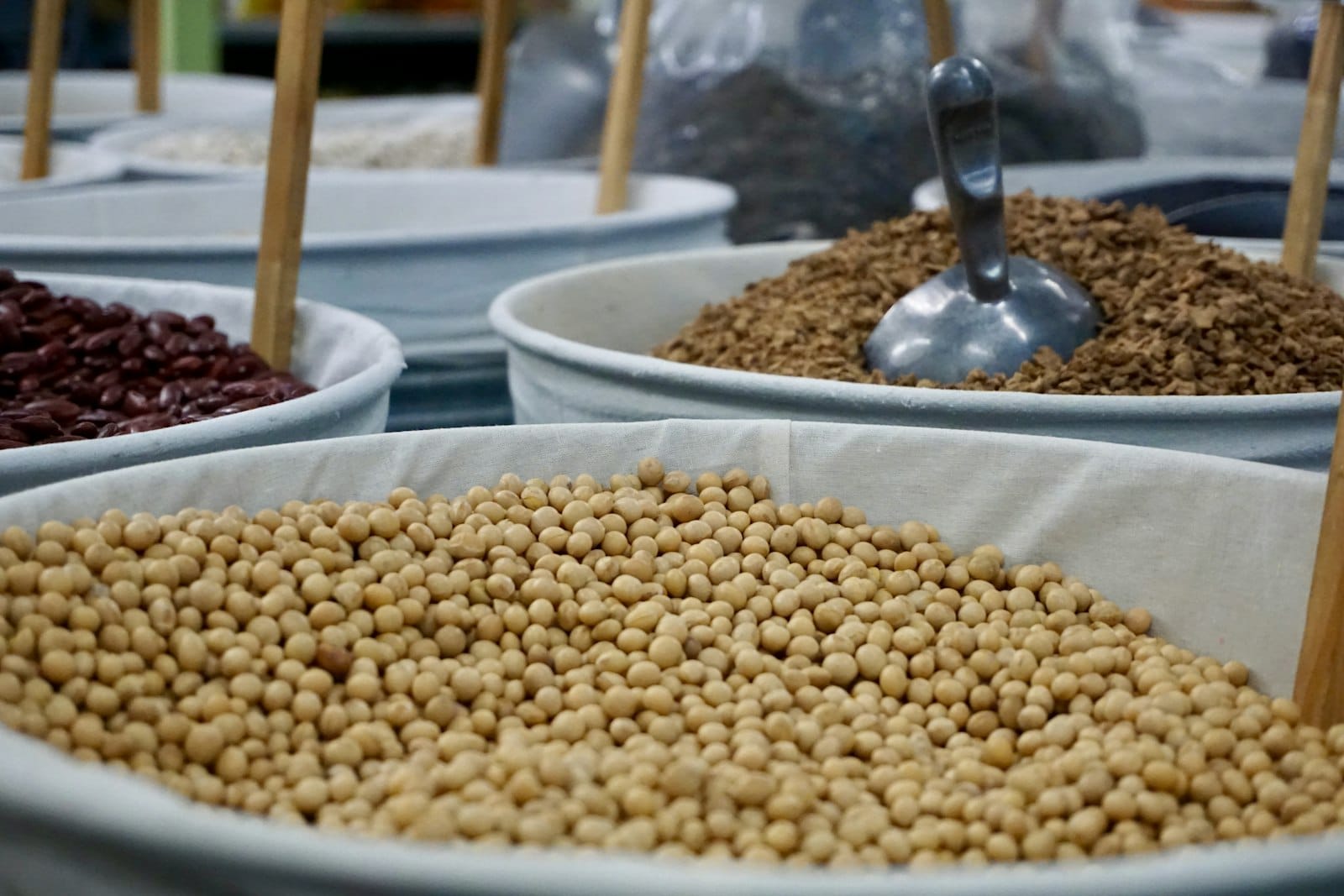
How to cook tempeh at home
Tempeh is far easier to cook than most people expect. A simple routine gets great results every time.
- Steam or simmer the tempeh for 5–10 minutes to mellow any bitterness and help it absorb marinade.
- Slice or cube it, then marinate for at least 20 minutes — longer is better.
- Cook by pan-frying, grilling or baking until golden and crisp at the edges.
- Add it to grain bowls, salads, stir-fries, tacos, sandwiches or curries.

Where to try tempeh
If you would like to taste tempeh done well before cooking it yourself, it is worth ordering out. At The Cardamom Pod in Southport, tempeh stars in our Flourish Bowl, alongside quinoa pilaf, sautéed greens and roast sweet potato.
Trying it in a thoughtfully built dish is a great way to see just how satisfying it can be. Browse the full plant-based menu, explore our food gallery, or book a table at The Brickworks in Southport.
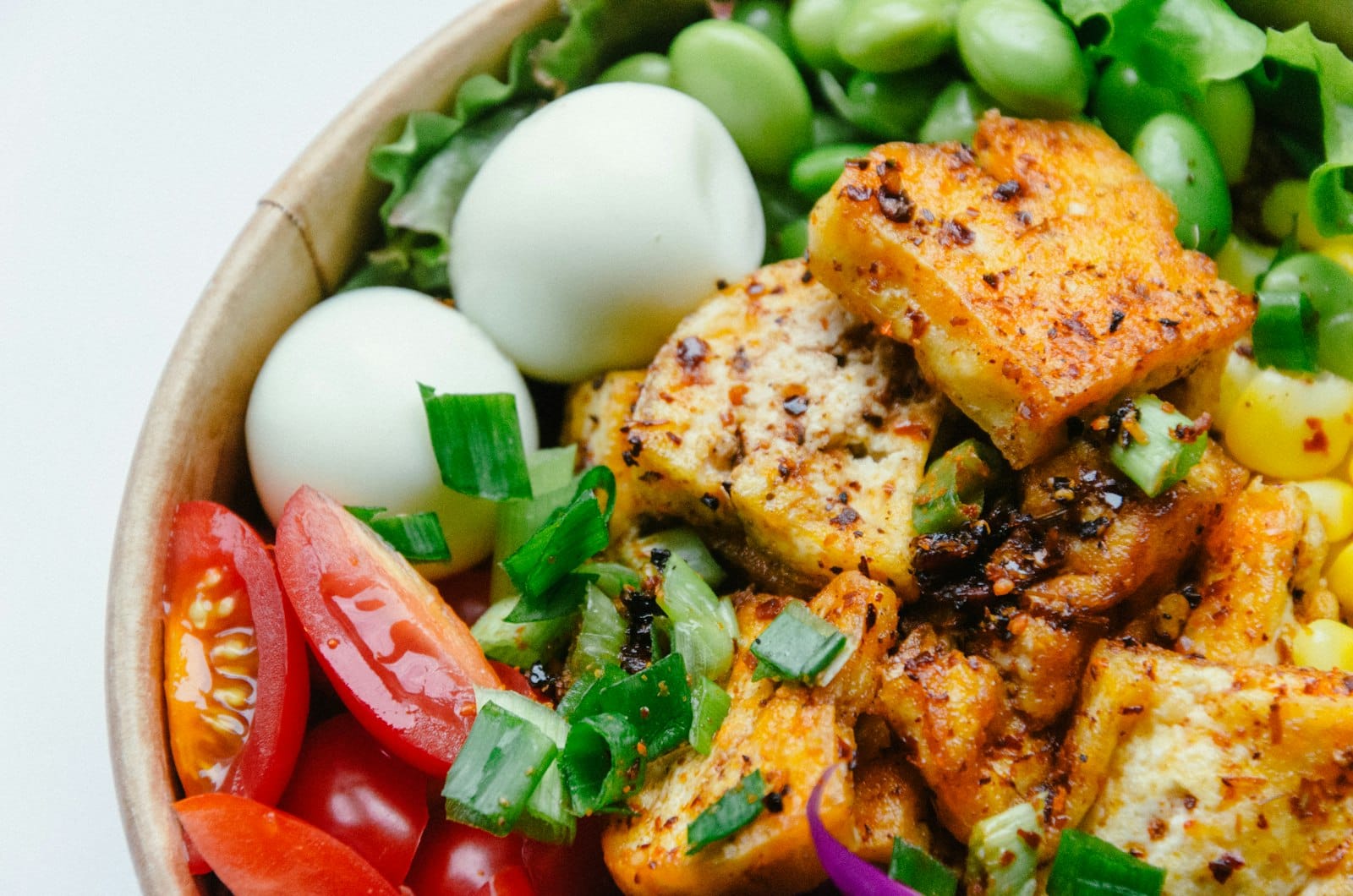
The takeaway on tempeh
Tempeh is a firm, nutty, protein-rich food made from fermented soybeans — nutritious, versatile and genuinely delicious once you know how to cook it.
Give it a steam, a good marinade and a hot pan, and it will reward you every time. It deserves a regular spot in any plant-forward kitchen.

A quick history of tempeh
Tempeh is far from a modern health-food invention. It has been made on the Indonesian island of Java for centuries, traditionally fermented in banana leaves and eaten as an everyday source of affordable, nourishing protein.
For generations it was a well-kept regional staple, largely unknown in the West. It was only as interest in plant-based eating and fermented foods grew that tempeh began appearing on cafe menus and supermarket shelves around the world.
Today it is celebrated not just for its nutrition but for its sustainability — a low-impact, wholefood protein with deep culinary roots. Knowing that history makes it all the more satisfying to cook with.
Tempeh and your gut health
One of tempeh’s quiet advantages is what fermentation does for digestion. The culturing process partially breaks down the compounds in soybeans that some people find hard to digest, which can make tempeh gentler on the stomach than other soy foods.
Fermentation also introduces beneficial bacteria — the same family of gut-friendly cultures found in foods like miso and sauerkraut. A happy, diverse gut is linked to everything from better digestion to a stronger immune system, so tempeh is a tasty way to support it.
It is one more reason this humble, centuries-old food fits so naturally into a modern, health-conscious diet.
Tempeh vs tofu: which should you choose?
Tempeh and tofu are both made from soybeans, so they often get lumped together — but they are quite different in practice.
Tempeh uses the whole fermented bean, so it is firmer, nuttier, and higher in both protein and fibre, with the bonus of probiotics. Tofu is smoother, milder and lower in calories, and its neutral flavour makes it endlessly adaptable.
Choose tempeh when you want a hearty, textured protein for grilling, bowls and stir-fries. Reach for tofu when you want something soft and versatile for scrambles, soups, smoothies or silky sauces. Most plant-based kitchens happily keep both on hand.
Frequently asked questions
What is tempeh made from?
Traditional tempeh is made from whole soybeans that are cooked, fermented with a natural culture, and pressed into a firm cake. Some modern versions use other beans, grains or seeds, but soy is the classic base.
What does tempeh taste like?
Tempeh has a nutty, savoury, slightly earthy flavour and a firm, satisfying bite. Because it soaks up marinades so well, it can taste smoky, spicy, sweet or salty depending on how you cook it.
Is tempeh healthy?
Yes. Tempeh is high in protein and fibre, and because it is fermented it also provides gut-friendly probiotics. It is a nutritious, minimally processed plant protein that suits most diets.
Is tempeh gluten-free?
Plain soybean tempeh is naturally gluten-free, but some varieties add barley or other grains, so always check the label if you are coeliac or avoiding gluten.
How do you cook tempeh?
Steam or simmer it for a few minutes to soften any bitterness, then marinate and pan-fry, grill, bake or crumble it into bowls, stir-fries and salads. It is wonderfully versatile.
Keep exploring plant proteins
For more, read our guides to tofu vs tempeh vs seitan, the best vegan protein sources, and healthy cafes on the Gold Coast.