“But where do you get your protein?” is the question every plant-based eater has heard a hundred times. The reassuring answer: from a huge range of delicious, everyday foods.
Protein is not the challenge it is often made out to be on a plant-based diet. With a little variety, getting enough is genuinely easy — and you pick up fibre, healthy fats and antioxidants along the way.
This guide runs through the best vegan protein sources, how much protein they provide, and simple ways to make sure you are getting plenty.
Why protein matters (and why plants deliver)
Protein supports your muscles, immune system, hormones and countless other functions. The good news is that plants are full of it.
For years, people believed plant proteins were “incomplete” and had to be carefully combined. Modern nutrition is clear that eating a variety of plant foods across the day provides all the essential amino acids your body needs — no complicated food-pairing required. For more, Vegan Australia has a helpful overview of eating healthily on a plant-based diet.
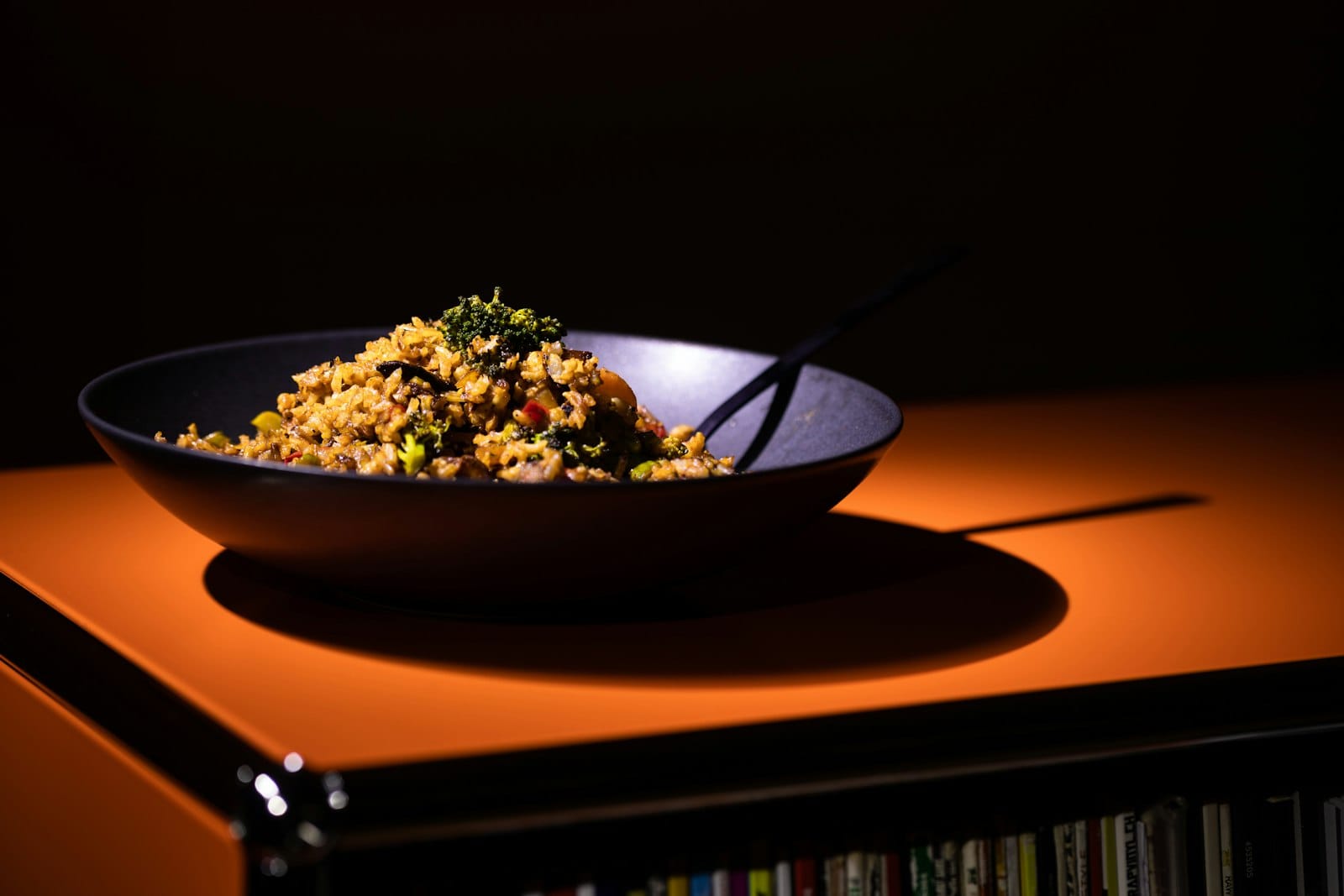
The best vegan protein sources
Here are some of the most reliable plant proteins and roughly how much they provide.
| Food | Protein (per 100g / serving) | Also great for |
|---|---|---|
| Seitan | ~25g / 100g | Highest protein (contains gluten) |
| Tempeh | ~19g / 100g | Fibre & probiotics |
| Tofu | ~8g / 100g | Versatility, gluten-free |
| Edamame | ~11g / 100g | Snacking, whole soy |
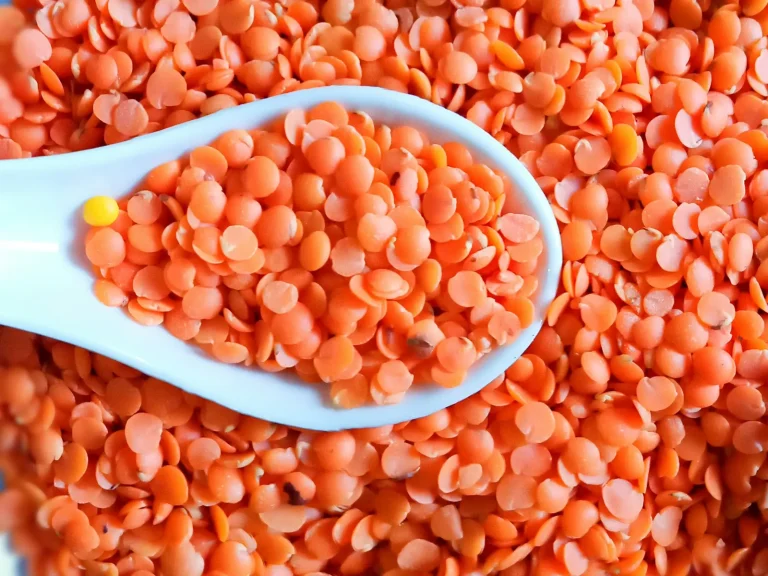
| Lentils | ~9g / 100g (~18g / cup) | Fibre, iron |
| Chickpeas | ~9g / 100g | Hummus, curries, salads |
| Quinoa | ~4g / 100g cooked | A complete-protein grain |
| Nuts, seeds & nut butter | ~15–25g / 100g | Healthy fats |
Notice how quickly it adds up: a bowl with tofu or tempeh, some lentils or chickpeas, quinoa and a sprinkle of seeds can easily deliver 25–35g of protein in one meal.
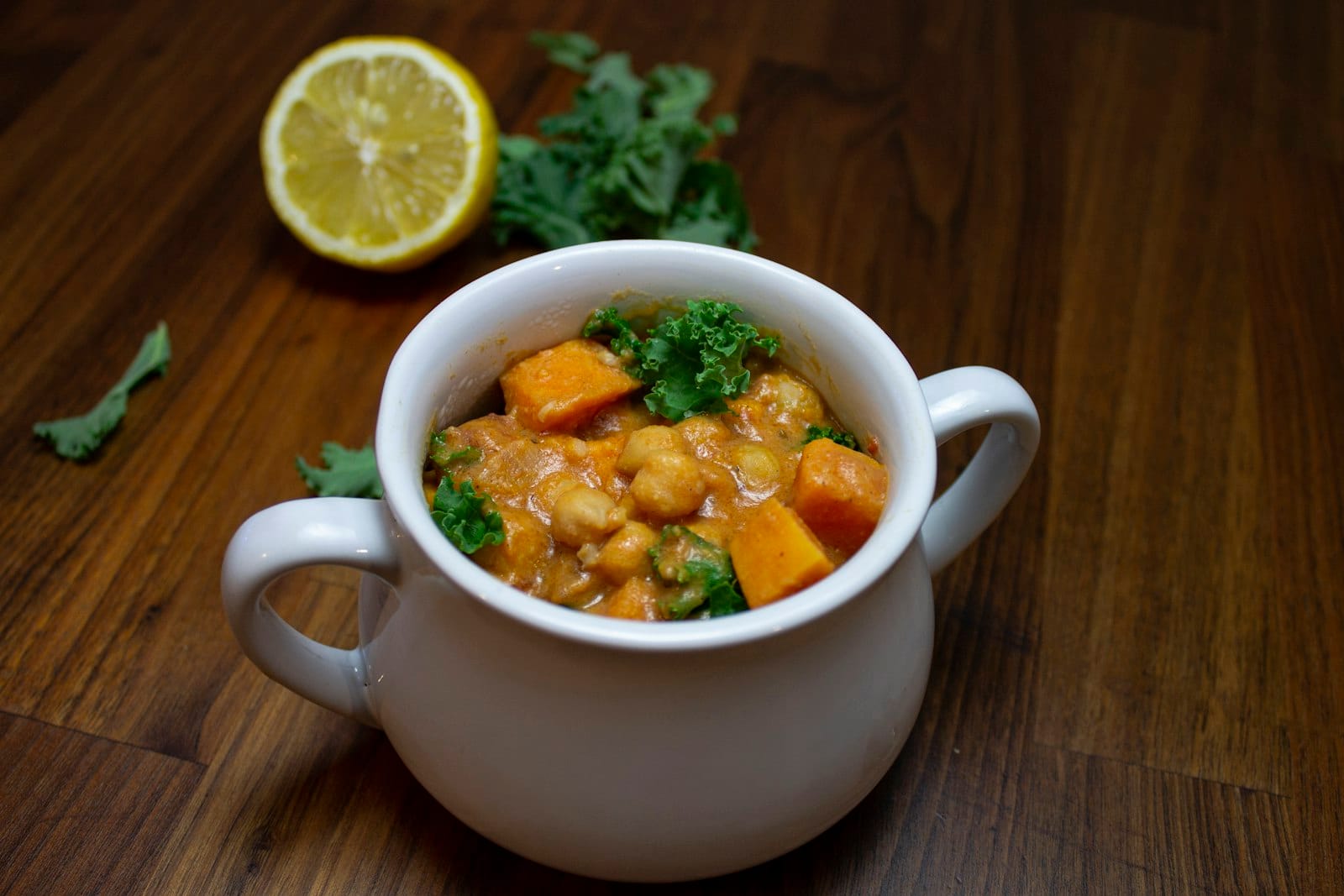
How much protein do you actually need?
For most adults, a common guideline is roughly 0.8 to 1 gram of protein per kilogram of body weight per day, with more for athletes and very active people.
Spread across three meals and a snack or two, that target is very achievable on plants. If you are training hard or have specific health goals, an accredited dietitian can fine-tune the numbers for you.
A simple way to picture it: aim for a protein source at every meal and a couple of protein-rich snacks, and the daily total quietly takes care of itself. You rarely need to count grams — you just need to keep plants like legumes, soy foods, wholegrains, nuts and seeds in regular rotation.
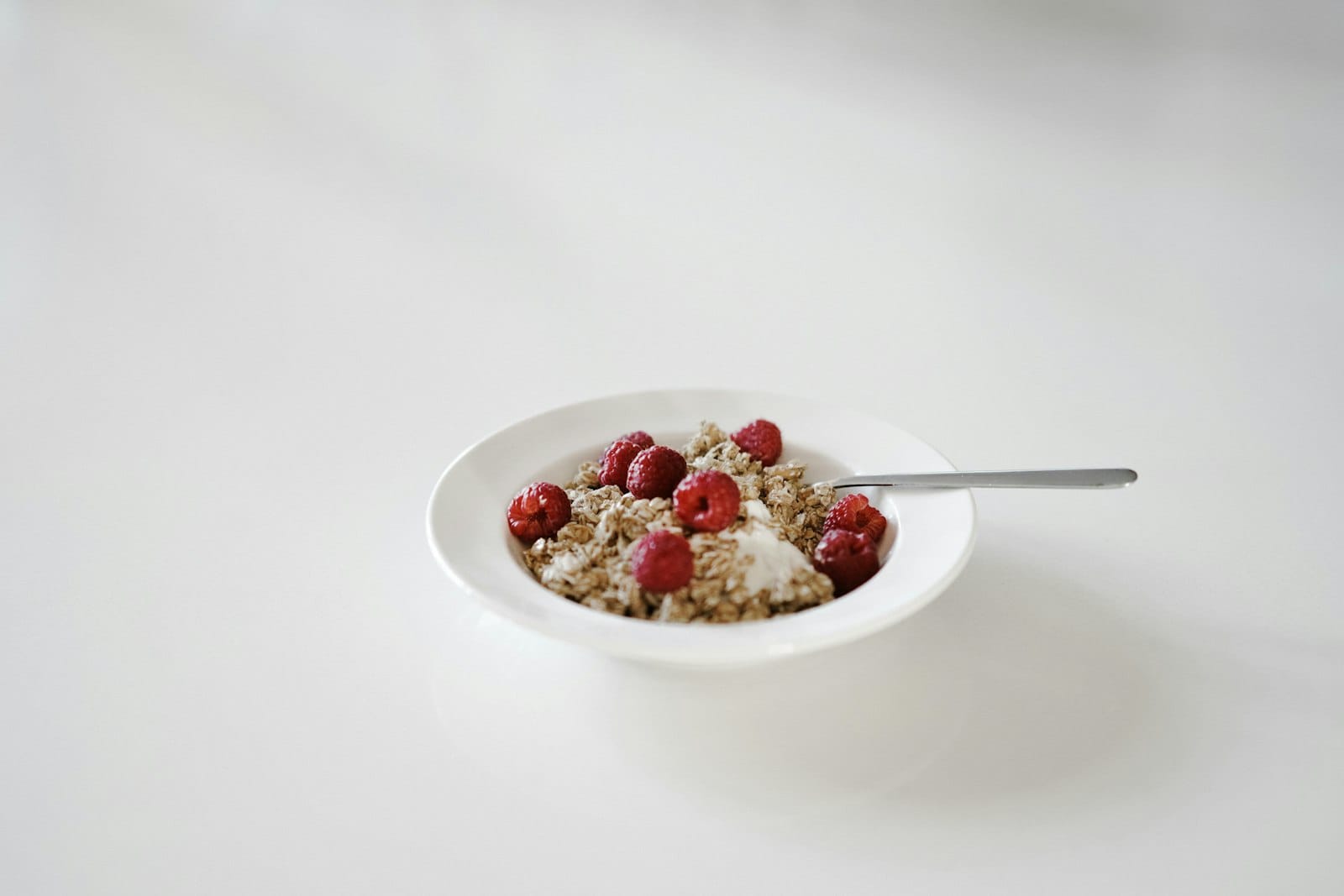
Easy ways to get more plant protein
You do not need protein powders or complicated meal plans. A few simple habits make all the difference.
- Build meals around a protein anchor — tofu, tempeh, legumes or seitan.
- Add legumes to everything — lentils in soups, chickpeas in salads, beans in tacos.
- Snack smart — edamame, roasted chickpeas, nuts, seeds and nut butter.
- Choose higher-protein grains — quinoa, buckwheat and oats.
- Top and sprinkle — hemp, pumpkin and sunflower seeds add easy grams.
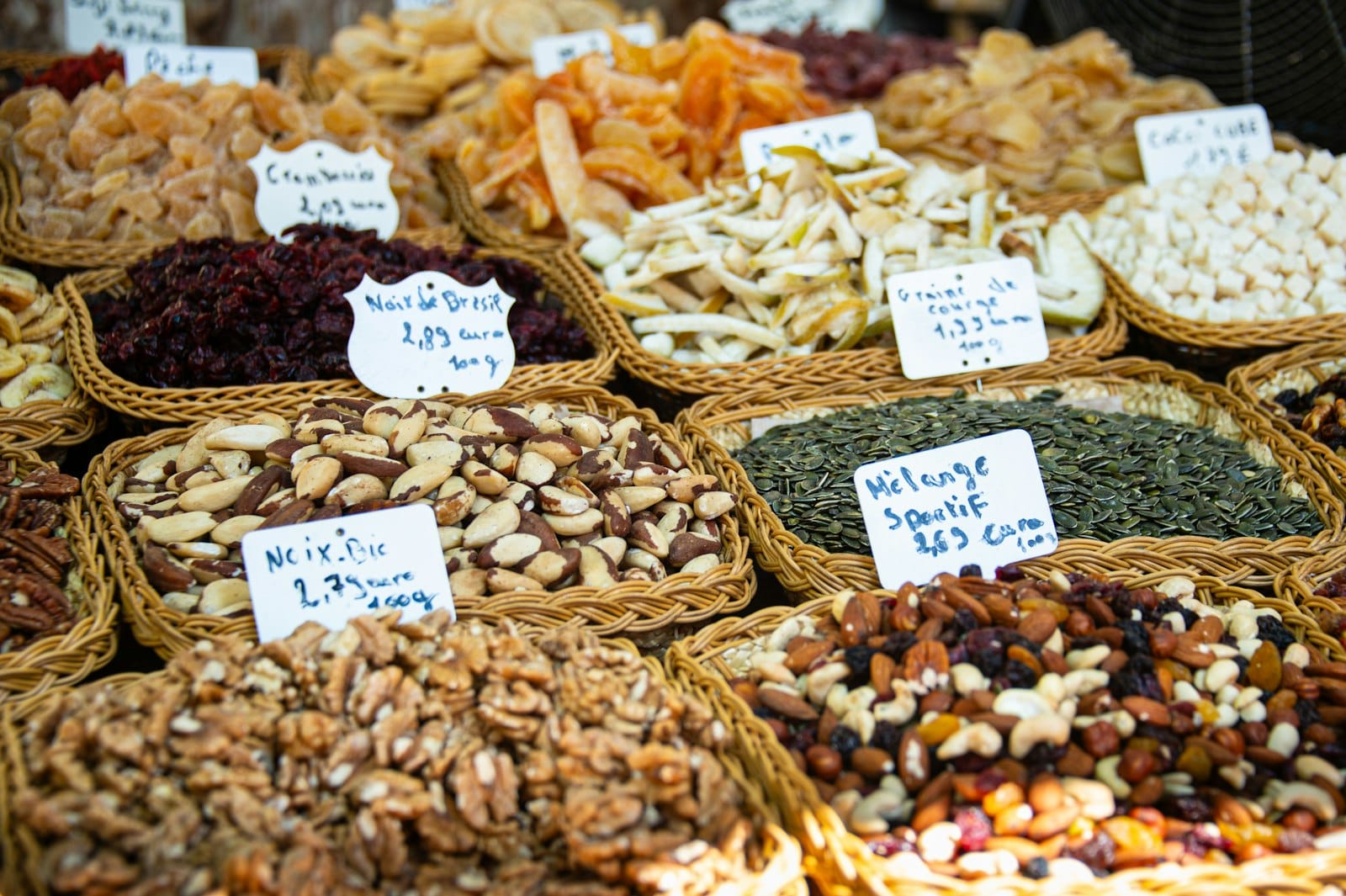
Protein-packed plant-based dishes to try
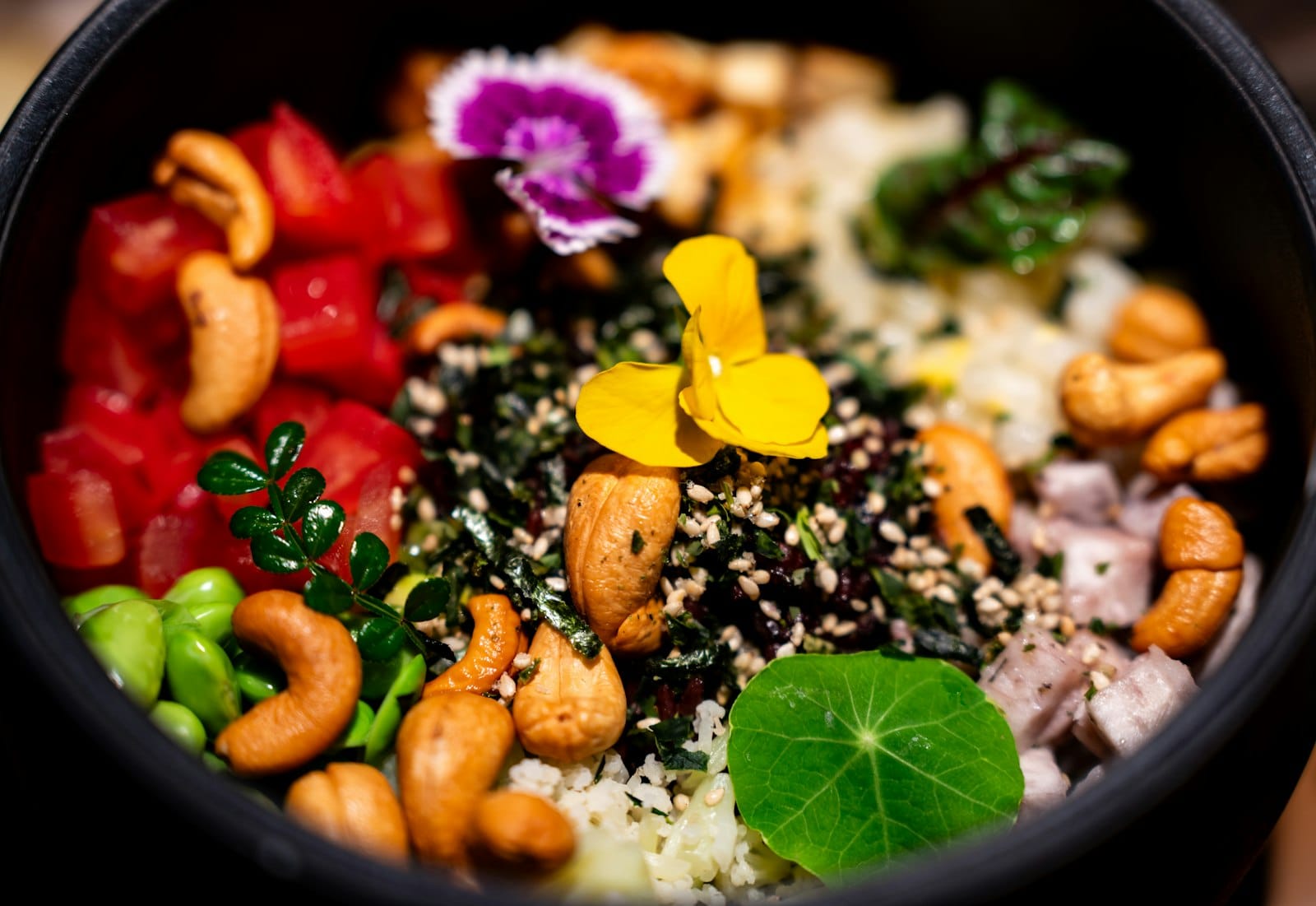
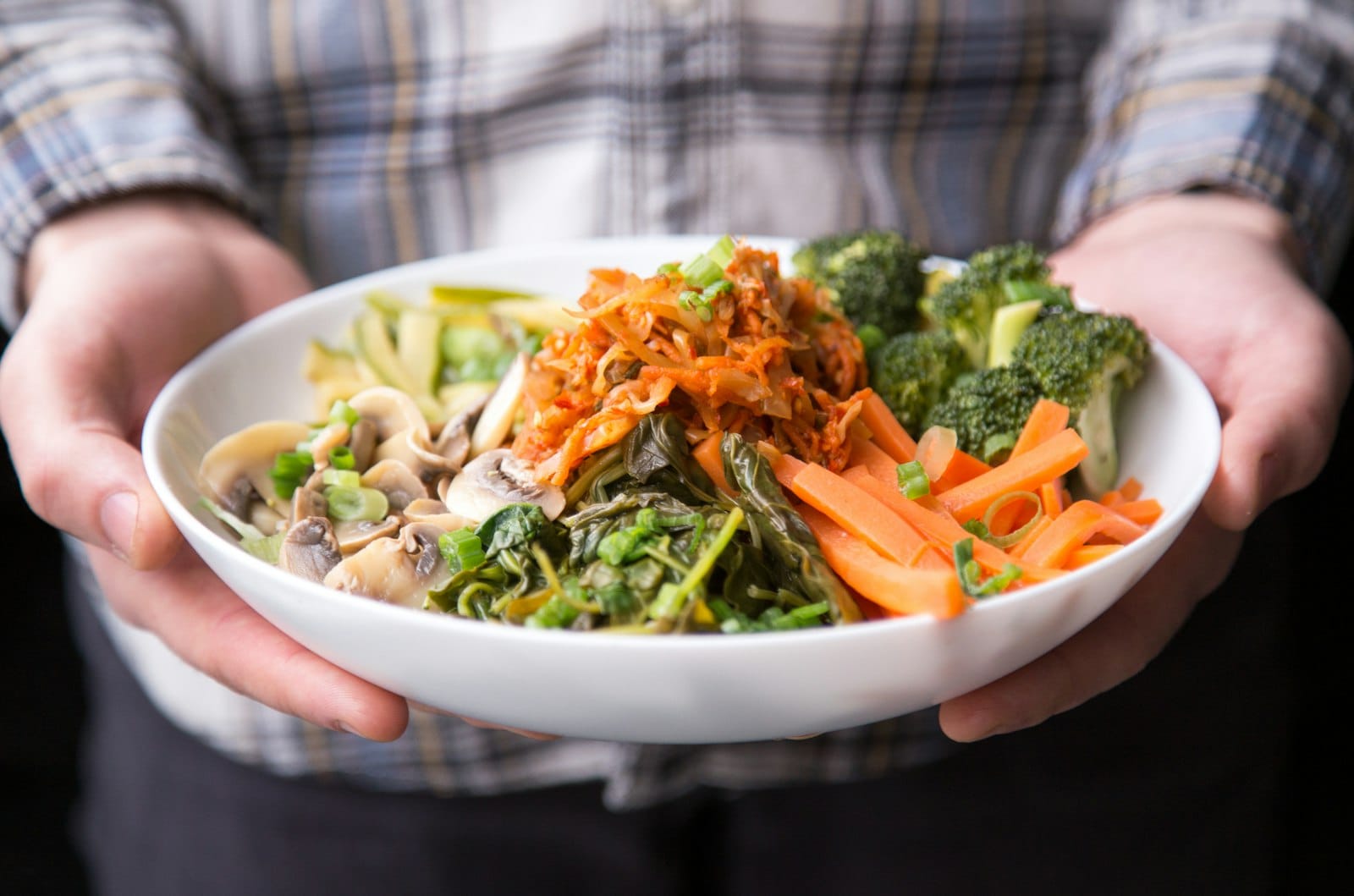
Some of the most satisfying high-protein meals are also the most colourful. Nourish and grain bowls are a perfect example — layering tofu or tempeh with legumes, quinoa and seeds for a plate that keeps you full for hours.
At The Cardamom Pod in Southport, our Flourish Bowl brings together tempeh, quinoa pilaf and greens, while the Okinawa Longevity Platter features teriyaki tofu and edamame. Both show just how hearty plant protein can be. Browse the full plant-based menu, explore our food gallery, or book a table at The Brickworks in Southport.
The bottom line on vegan protein
Getting enough protein on a plant-based diet is simple once you know where to look. Legumes, soy foods, wholegrains, nuts and seeds all pull their weight — and eating a variety across the day covers everything your body needs.
So the next time someone asks where you get your protein, you will have plenty of delicious answers.
Do plant proteins contain all the amino acids?
This is where a lot of the old “incomplete protein” worry comes from — so it is worth clearing up.
Your body needs nine essential amino acids from food. Some plant foods are lower in one or two of them (grains tend to be lower in lysine, many legumes lower in methionine), which is where the myth that plant protein is “incomplete” began.
In reality, several plant foods — including soy, quinoa and buckwheat — are complete proteins on their own. And for everything else, simply eating a variety of plant foods across the day fills in any gaps. The classic pairing of beans and rice, for example, covers all the bases — but you do not need to engineer it at every single meal.
Protein tips for active plant-based lifestyles
If you train hard or are trying to build muscle, you will want to aim towards the higher end of your protein range — and the good news is that plants can absolutely get you there.
Spread your protein evenly across the day rather than loading it all into dinner, and include a source at breakfast (think tofu scramble, a protein smoothie or overnight oats with seeds). Around training, pair a protein source with some carbohydrate to support recovery. With a bit of planning, a plant-based diet supports even serious athletic goals.
Frequently asked questions
Can you get enough protein on a vegan diet?
Yes, easily. A varied plant-based diet built on legumes, tofu, tempeh, wholegrains, nuts and seeds comfortably meets protein needs. The key is variety across the day rather than relying on a single food.
What are the highest-protein vegan foods?
Seitan (~25g per 100g), tempeh (~19g), tofu (~8g), edamame, lentils, chickpeas, beans, quinoa, nuts, seeds and peanut butter are all strong sources. Combining a few across your meals adds up quickly.
Do vegans need to combine proteins at every meal?
No. It was once believed you had to combine proteins in one sitting, but current advice is that eating a variety of plant proteins across the whole day provides all the amino acids you need.
How much protein do I need each day?
A common guide is around 0.8–1g of protein per kilogram of body weight for most adults, with more for very active people. A dietitian can tailor this to you.
Is plant protein as good as animal protein?
A well-planned plant-based diet provides high-quality protein and plenty of other benefits like fibre and healthy fats. Most plant foods contain all essential amino acids; eating a range covers everything.
Keep exploring
For more, read our guides to tofu vs tempeh vs seitan, what tempeh is and how to use it, and the best vegan breakfast on the Gold Coast.