Walk down any supermarket aisle and the plant-milk options can feel endless. Oat, soy, almond, coconut — each has its fans, and each behaves a little differently in your coffee, your cereal and your smoothie.
So which one should you actually reach for? The honest answer is that it depends on what you want from it. This guide compares the four most popular plant-based milks on protein, calories, taste and how they perform, so you can choose with confidence.
The good news: there is no wrong choice, only the right one for your cup.
The four most popular plant milks
Before we compare the numbers, it helps to know what each milk actually is and where its character comes from.
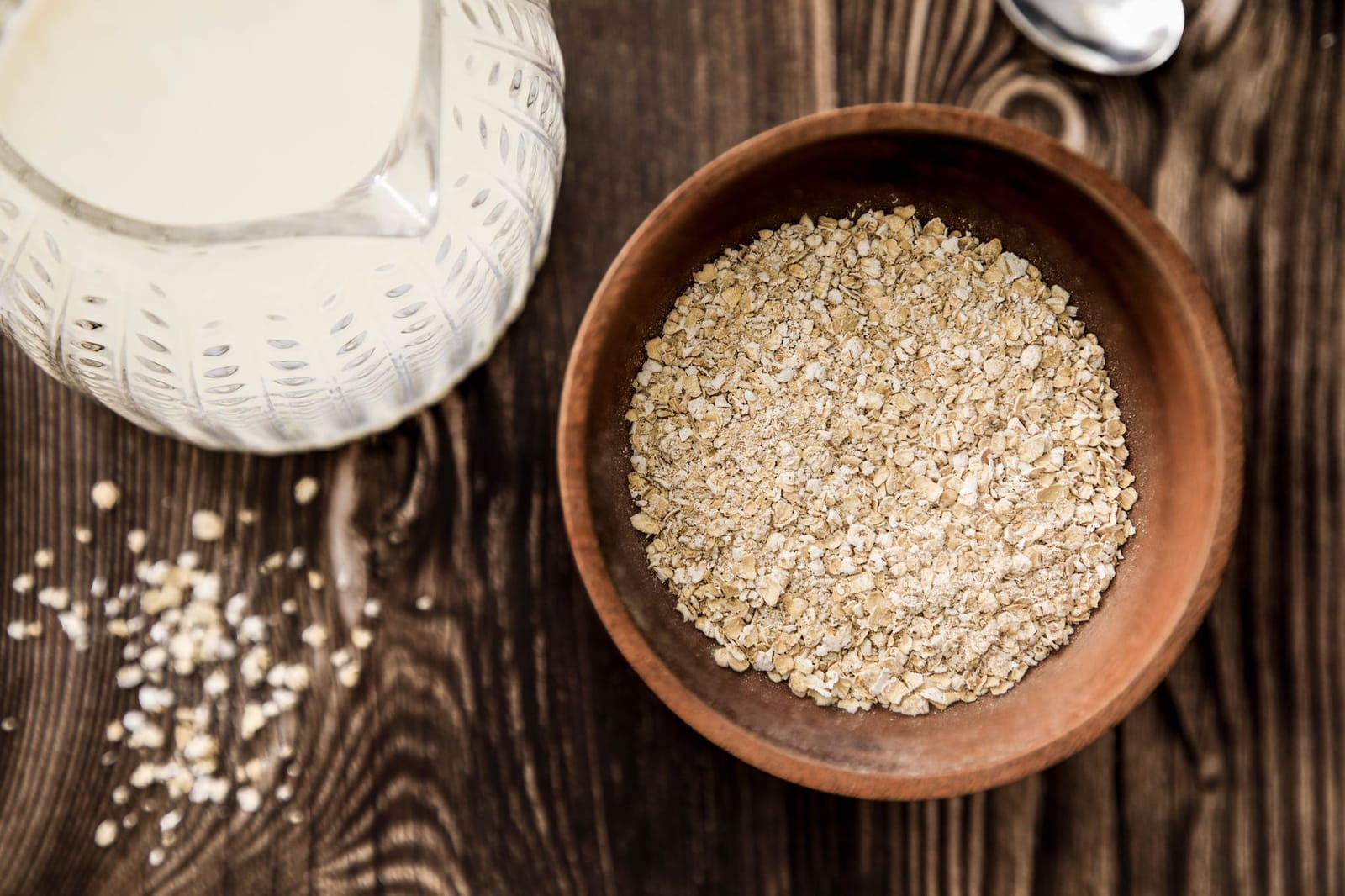
Oat milk is made by blending oats with water and straining. It is naturally creamy and slightly sweet, which has made it the darling of the specialty-coffee world.
Soy milk is made from soybeans and is the nutritional heavyweight — the closest plant milk to dairy in protein. It has a mild, rounded flavour that works almost anywhere.
Almond milk is made from ground almonds and water. It is light, mildly nutty and low in calories, though also low in protein. Coconut milk (the drinking kind) is rich and subtly tropical, and equally light on protein.
Oat vs soy vs almond vs coconut: the comparison
Here is how the four stack up. Figures are approximate for unsweetened versions, per 100ml.
| Milk | Calories | Protein | Best for | Character |
|---|---|---|---|---|
| Soy | ~33 | ~3g | All-round, coffee, protein | Mild, creamy, closest to dairy |
| Oat | ~40 | ~1g | Coffee, lattes, baking | Creamy, naturally sweet, foams well |
| Almond | ~14 | ~0.5g | Smoothies, cereal, low-cal | Light, mildly nutty |
| Coconut | ~15 | ~0.2g | Curries, smoothies, tropical | Rich, subtly tropical |
A quick takeaway: choose soy for protein, oat for creaminess, and almond or coconut when you want something light. For a deeper academic comparison, this nutritional review of plant-based milks is a great resource.
Which plant milk is best for coffee?
This is the question that starts the most debates. For coffee, texture matters as much as taste.
Oat milk has become the barista favourite because it steams into a silky microfoam and adds natural sweetness without overpowering the coffee. Soy milk is another reliable performer, foaming well and adding body, though it can occasionally split with very hot or acidic coffee.
Almond and coconut milks are lighter and can be more prone to separating, though barista editions are formulated to behave. If in doubt, look for a “barista” version — it is designed to froth and hold.

Choosing the right milk for the job
Beyond coffee, each milk has dishes where it truly shines.
- Smoothies — almond and coconut keep things light; soy adds protein and staying power.
- Cereal & porridge — oat and soy bring creaminess; almond keeps it light.
- Baking — oat and soy are dependable all-rounders.
- Curries & savoury cooking — coconut adds richness and a subtle sweetness.
- Everyday drinking — soy for nutrition, oat for indulgence.
What about added sugar and fortification?
One tip matters more than almost any other: check the label for added sugar. Sweetened plant milks can carry a surprising amount, so unsweetened versions give you a cleaner, fairer comparison — and let you control the sweetness yourself.
It is also worth choosing milks fortified with calcium, vitamin D and B12, especially if plant milk is a daily staple. Fortification helps these milks stand in nutritionally for dairy, which is particularly useful on a fully plant-based diet.

The environmental angle
For many people, sustainability is part of the decision — and here plant milks generally shine, with a lower footprint than dairy across water, land and emissions.
Among the plant options, oat and soy tend to perform particularly well, while almond is more water-intensive to grow. None of these differences are dramatic enough to override taste and nutrition for most people, but they are worth knowing if the planet factors into your cup.
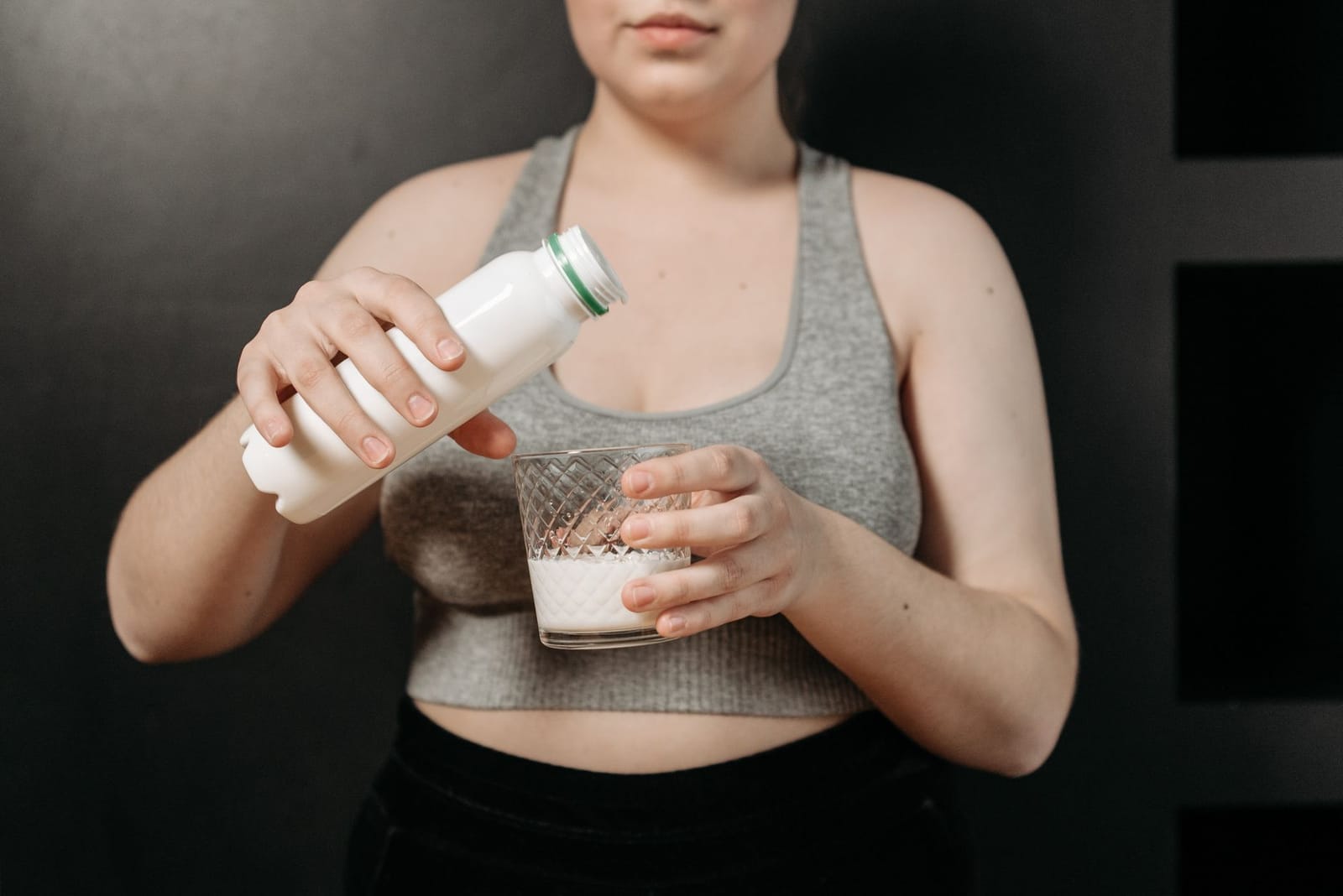
Try them at The Cardamom Pod
Not sure which you prefer? The easiest way to find out is to taste them side by side in something you love — like a good coffee. At The Cardamom Pod in Southport, we pour a full range of plant milks (with a cow-milk option too), so you can find your favourite.
Browse the full plant-based menu at The Cardamom Pod, or book a table at The Brickworks in Southport and put a few to the test.
So, which plant milk should you choose?
With four strong options, the choice really comes down to what matters most to you on the day.
If protein is your priority — perhaps you are active, or you want your morning coffee to do a little more — soy is the clear pick, and it behaves well almost everywhere. If you live for a good flat white or latte, oat milk is hard to beat for its creamy texture and barista-friendly foam.
Watching calories, or simply after something light and mild? Almond milk keeps things gentle, while coconut brings a subtle tropical richness that is lovely in smoothies and curries. And there is no rule that says you have to pick just one — plenty of households keep two on hand: a creamy one for coffee and cooking, and a lighter one for everyday drinking.
Whichever you choose, reach for an unsweetened, fortified version and you really cannot go far wrong.
Frequently asked questions
Which plant-based milk is healthiest?
There is no single winner — it depends on your goals. Soy milk has the most protein and the best protein quality, oat milk is creamy and higher in carbohydrates, and almond and coconut milks are lowest in calories. Choosing unsweetened versions is the simplest way to keep any of them healthy.
Which plant milk is best for coffee?
Oat and soy milk are the popular choices for baristas because they steam and foam well and complement coffee without splitting. Barista-edition versions are formulated specifically to froth and hold up in hot drinks.
Which plant milk has the most protein?
Soy milk, by a clear margin — around 3g per 100ml, close to dairy milk. Oat has about 1g, almond around half a gram, and coconut milk has virtually none.
Is plant milk better than dairy milk?
For many people, plant milks are a great choice — they are cholesterol-free, suit dairy-free and vegan diets, and generally have a lower environmental footprint. Soy comes closest to dairy nutritionally; others are lighter.
Are plant-based milks fortified with calcium and B12?
Many are. A lot of plant milks are fortified with calcium, vitamin D and B12 to match dairy, so if you rely on them, choosing a fortified, unsweetened version is a smart move.
Keep exploring plant-based eating
For more, read our guides to the best vegan protein sources, the best cafes in Southport, and the best vegan breakfast on the Gold Coast.