There is a reason our cafe is called The Cardamom Pod. Cardamom is one of the world’s most treasured spices — fragrant, complex and deeply woven into the traditions of cooking we love.
Often called the “queen of spices,” cardamom brings warmth and depth to everything from a morning chai to a celebratory dessert. This guide explores what cardamom is, how it tastes, its health benefits, and the many ways to cook with it.
Once you understand this little pod, you will see why it has been prized for thousands of years.
What is cardamom?
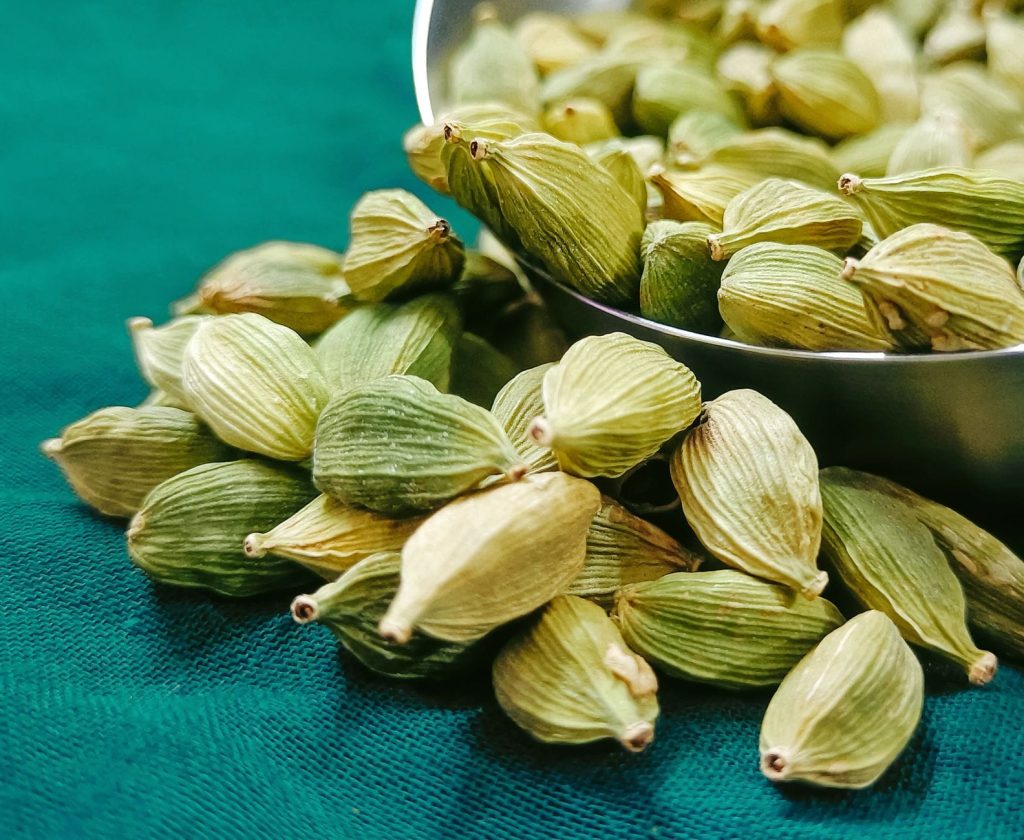
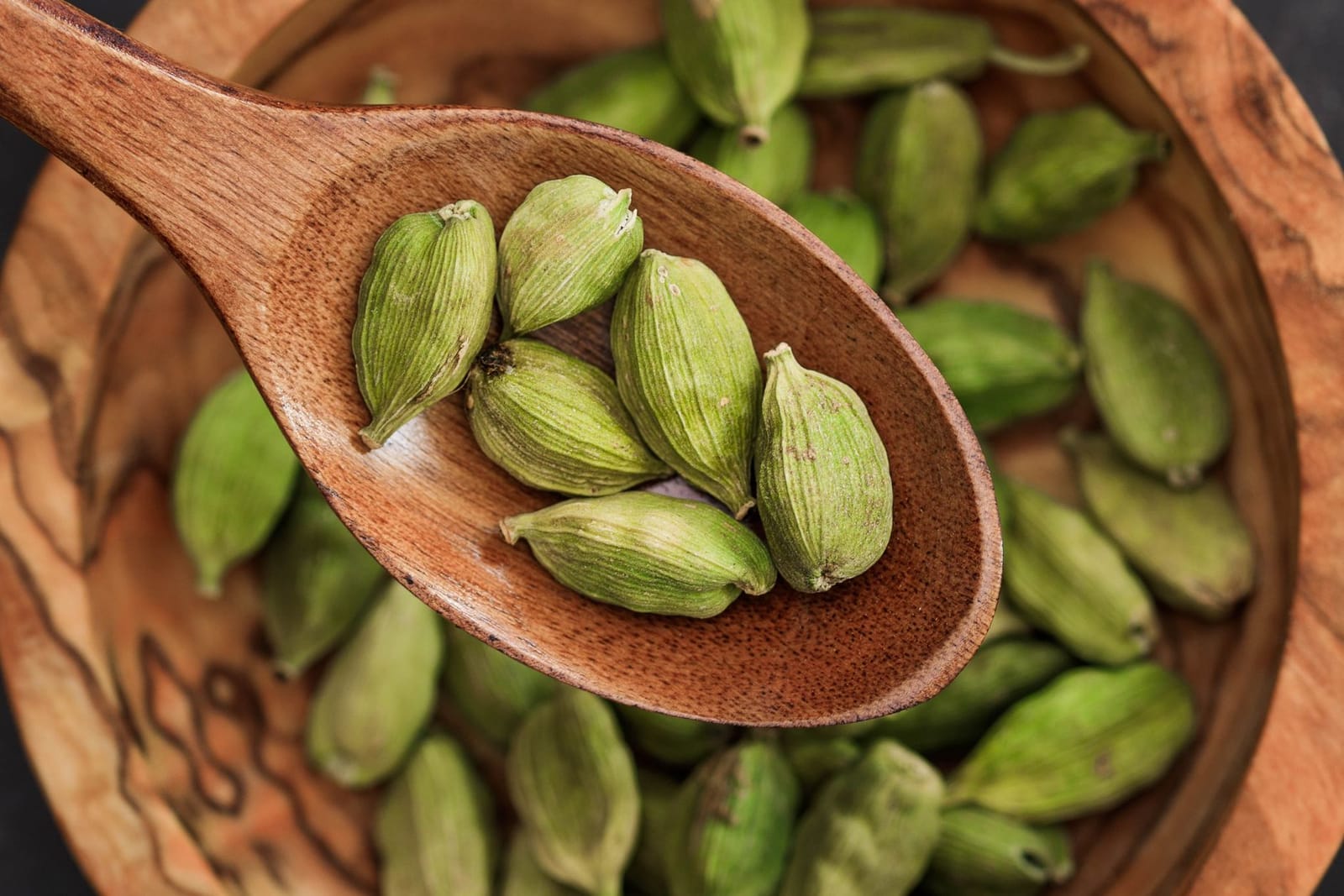
Cardamom is an aromatic spice made from the seed pods of plants in the ginger family. Inside each small pod sits a cluster of tiny, intensely fragrant black seeds — the source of all that flavour.
There are two main types. Green cardamom is the most common, with a sweet, floral, almost minty character. Black cardamom is larger and smokier, used mostly in savoury dishes. Both have been treasured for centuries.
Native to the lush forests of southern India, cardamom is now grown in places like Guatemala too, and it remains one of the most valuable spices in the world by weight — a reflection of how labour-intensive it is to harvest.
What does cardamom taste like?
Cardamom’s flavour is famously hard to pin down, which is part of its magic. It is intense and layered — floral and slightly sweet, with cooling, minty and citrus notes, and a warm, gently spicy finish.
That complexity is why it works across such a huge range of dishes, from delicate desserts to robust curries. It is also potent: a single pod can perfume an entire pot, so cardamom is a spice you use with a light hand.
The health benefits of cardamom
Beyond its flavour, cardamom has a long history in traditional medicine — and modern research is beginning to catch up.
- Rich in antioxidants — compounds that help protect your cells from damage.
- Anti-inflammatory properties — which may support overall health.
- Digestive support — traditionally used to ease bloating and aid digestion.
- Fresh breath — long chewed after meals; it may help fight cavity-causing bacteria.
- Heart & blood pressure — early studies suggest possible benefits.
For a science-backed overview, Healthline rounds up the health benefits of cardamom.
How to use cardamom in cooking
Cardamom is wonderfully versatile, bridging the sweet and the savoury like few other spices.
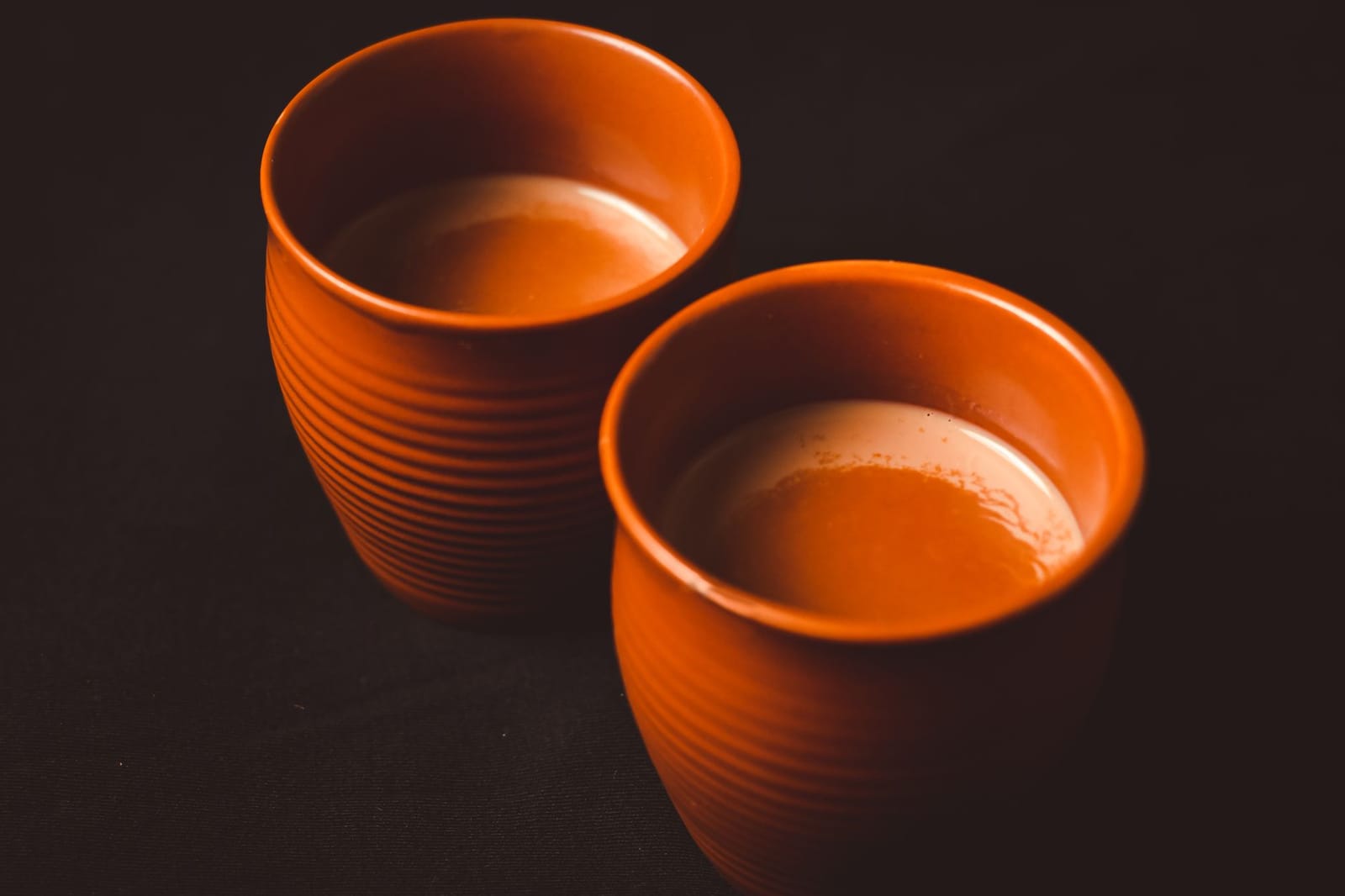
- Chai tea — the classic; cardamom is the heart of a good masala chai.
- Curries & rice — whole pods perfume biryanis, dals and curries.
- Baking & desserts — it lifts cakes, cookies, custards and poached fruit.
- Coffee & drinks — a pinch in coffee or golden milk adds gentle warmth.
A tip: whole pods release their flavour slowly and can be fished out later, while ground cardamom is much more intense — so start with less than you think you need.
Cardamom in plant-based cooking
Cardamom is a gift to plant-based kitchens. Its warmth and aroma add richness and depth to dishes without any need for dairy or animal products — exactly the kind of natural, flavour-first cooking we champion.
It brings a fragrant lift to plant-milk chai and golden lattes, a subtle complexity to coconut-based curries, and a bakery-worthy warmth to vegan cakes, pancakes and puddings. In the tradition of Indian cooking that inspires our menu, cardamom is indispensable.

Green vs black cardamom
The two main types of cardamom are used quite differently, so it helps to know which is which before you cook.
| Green cardamom | Black cardamom | |
|---|---|---|
| Flavour | Sweet, floral, minty | Smoky, bold, earthy |
| Best for | Chai, baking, desserts, drinks | Curries, rice, hearty savoury dishes |
| Pods | Small and pale green | Larger and dark brown |
For most home cooking — and for the sweet, fragrant dishes cardamom is loved for — green cardamom is the one to reach for. Black cardamom is more of a specialist, adding a deep, smoky note to robust savoury cooking.
Whichever you use, buy whole pods where you can. Cardamom loses its aroma quickly once ground, so crushing the seeds fresh gives you far more of that magical fragrance. Store the pods in an airtight jar away from light and heat, and they will keep their perfume for months.
Cardamom & The Cardamom Pod
Our name is a small tribute to this remarkable spice and the cooking traditions behind it. The style of food we serve draws on the beautiful traditions of ancient India, where spices like cardamom are used not just for flavour but as part of a mindful, joyful way of preparing food.
Everything we make is fully plant-based and cooked with heart — you can taste that philosophy in every dish. Browse the full plant-based menu at The Cardamom Pod, discover our food gallery, or book a table at The Brickworks in Southport.

The takeaway on cardamom
Cardamom is a fragrant, complex spice with a flavour like no other and a long history of both culinary and traditional-medicine use. From chai to curry to cake, it brings warmth, depth and a touch of magic.
It is a spice worth keeping in your pantry — and, we think, worth naming a cafe after.
Frequently asked questions
What is cardamom?
Cardamom is an aromatic spice made from the seed pods of plants in the ginger family. Green cardamom is the most common, with a sweet, fragrant flavour, while black cardamom is smokier. It originated in India and is now used in sweet and savoury cooking worldwide.
What does cardamom taste like?
Cardamom has an intense, complex flavour — floral and slightly sweet, with cooling, minty and citrus notes and a warm, spicy finish. A little goes a long way, which is why it is used sparingly.
What are the health benefits of cardamom?
Cardamom is rich in antioxidants and has anti-inflammatory properties. It has traditionally been used to aid digestion and freshen breath, and some studies suggest it may support healthy blood pressure and heart health.
How do you use cardamom in cooking?
Cardamom features in chai tea, curries, rice dishes, baking and desserts, and spiced coffee. You can use whole pods, crushed seeds or ground cardamom — ground is more intense, so use it sparingly.
Is cardamom good for digestion?
Cardamom has long been used in traditional medicine to ease digestion and reduce bloating, and it is a common after-meal palate cleanser in India. Its warming, aromatic qualities are part of why it pairs so well with rich food.
Keep exploring
For more, read our guides to what açaí is and how to enjoy it, the best vegan protein sources, and the best vegan breakfast on the Gold Coast.