Great plant-based cooking is not about complicated techniques or hard-to-find ingredients — it is about keeping a few clever staples on hand. With the right pantry, a satisfying vegan meal is always minutes away.
Some of these ingredients might be new to you, but each earns its place by adding flavour, richness or a helpful bit of food science. This guide runs through the vegan kitchen staples worth stocking, and exactly how to use each one.
Build up this shelf over a few shops and you will wonder how you ever cooked without them.
The vegan staples worth stocking
Here is a quick reference to the most useful plant-based staples and what each one does.
| Staple | What it is | Use it for |
|---|---|---|
| Nutritional yeast | Savoury yeast flakes | Cheesy flavour, sauces, popcorn |
| Aquafaba | Chickpea tin liquid | Egg-white swap, meringues, mayo |
| Tahini | Sesame seed paste | Dressings, sauces, baking |
| Miso | Fermented soybean paste | Umami depth, soups, marinades |
| Flax / chia | Ground seeds | Egg swap, binding, omega-3s |
| Tofu & tempeh | Soy proteins | Mains, stir-fries, bowls |
| Tinned legumes | Beans, lentils, chickpeas | Protein, fibre, quick meals |
You do not need every one of these at once — start with a few and build from there. The Vegan Society has more ideas for stocking a plant-based kitchen in its food and drink resources.
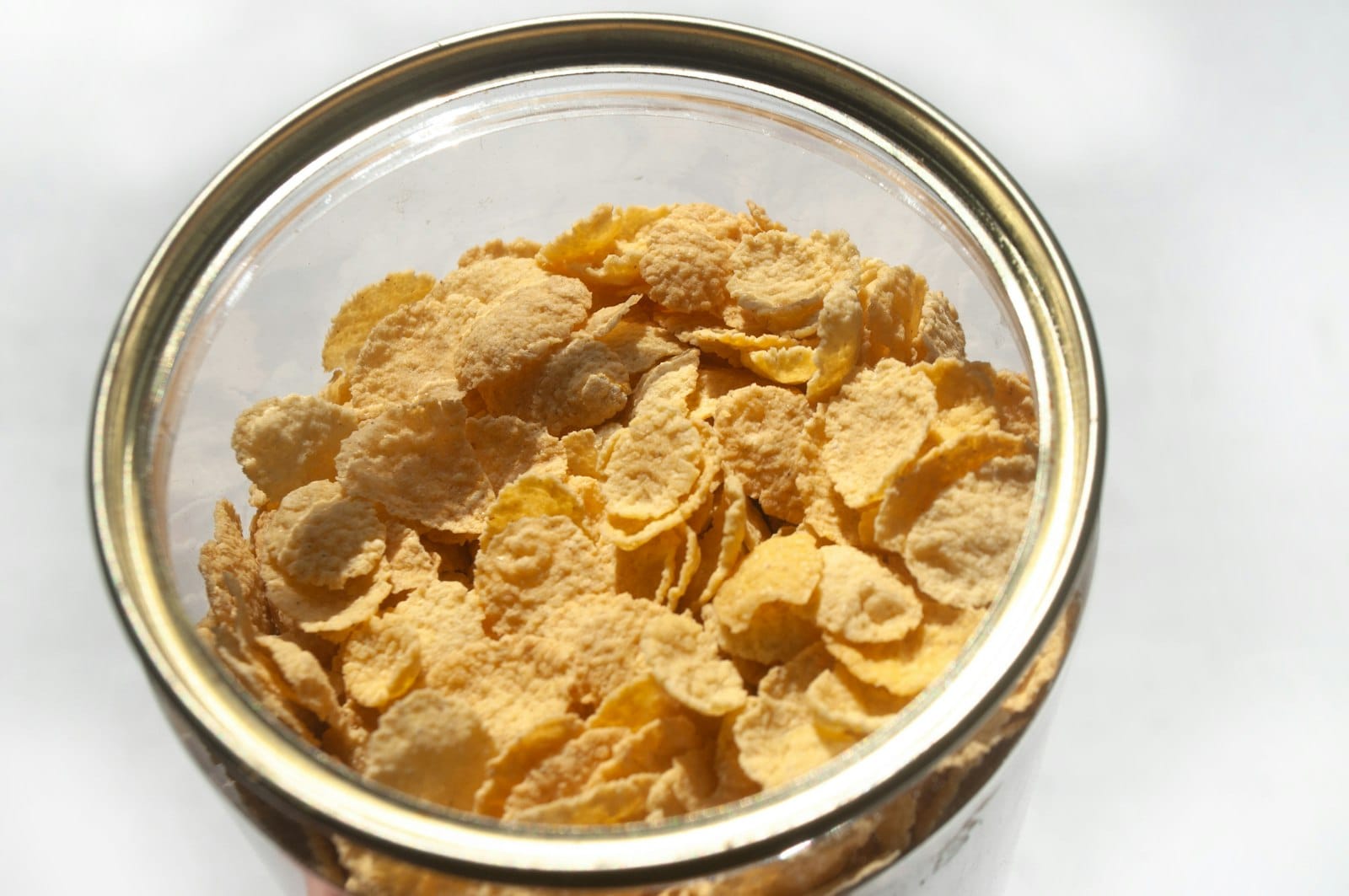
Flavour boosters: nutritional yeast, miso & tamari
These three staples are the secret to plant-based food that tastes deeply savoury rather than flat. They all deliver umami — that moreish, savoury fifth taste.
Nutritional yeast (“nooch” to its fans) brings a cheesy, nutty flavour to pasta, popcorn, mashed potato and tofu scramble, and fortified versions add vitamin B12. Miso paste stirs a rich, savoury depth into soups, dressings, glazes and marinades.
Tamari — a gluten-free soy sauce — adds instant salty savouriness to stir-fries, dressings and bowls. Together, this trio does the heavy lifting in a plant-based kitchen.
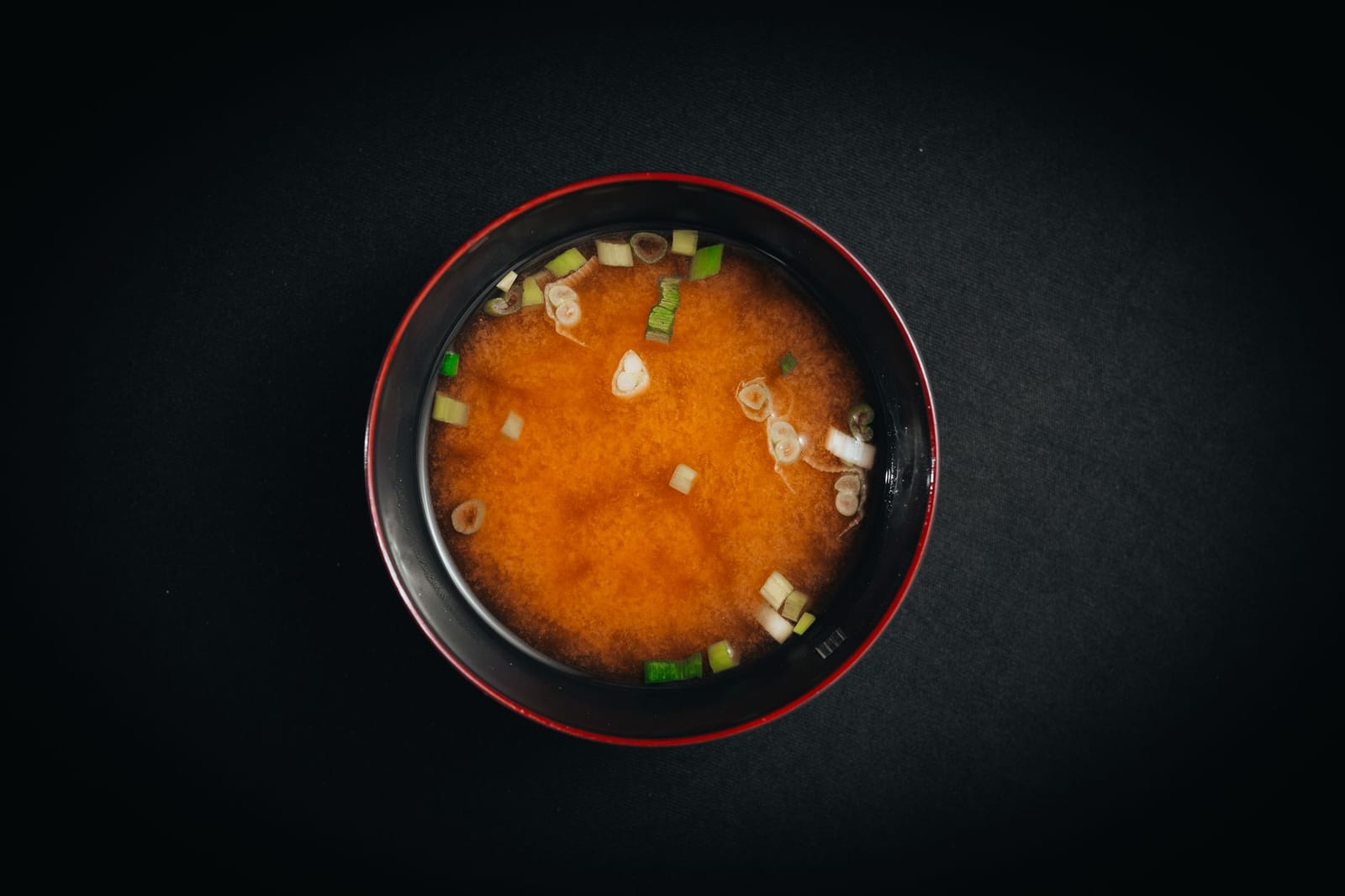
Egg replacers: aquafaba & flax
One of the first questions new vegan cooks ask is how to replace eggs. The answer depends on what the egg was doing — and these two staples cover most jobs.
Aquafaba, the humble liquid from a tin of chickpeas, is a small miracle. It whips into stiff peaks just like egg whites, making it perfect for meringues, mousses, pavlova and even mayonnaise. As a rule, three tablespoons of aquafaba replaces one egg.
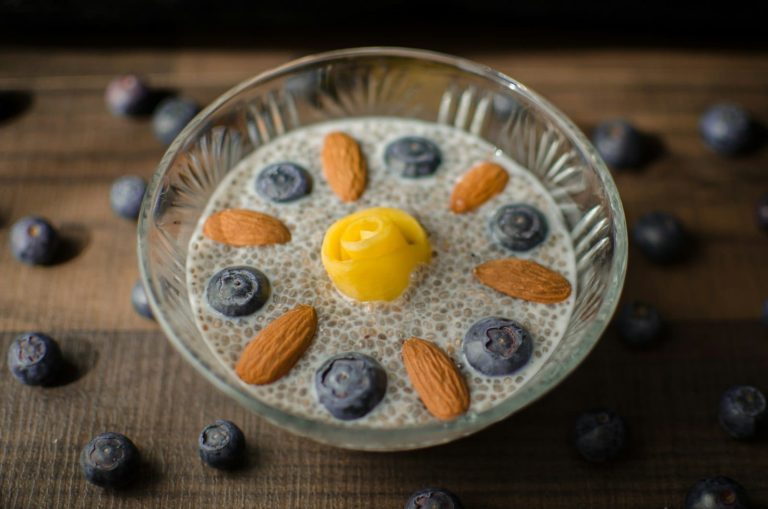
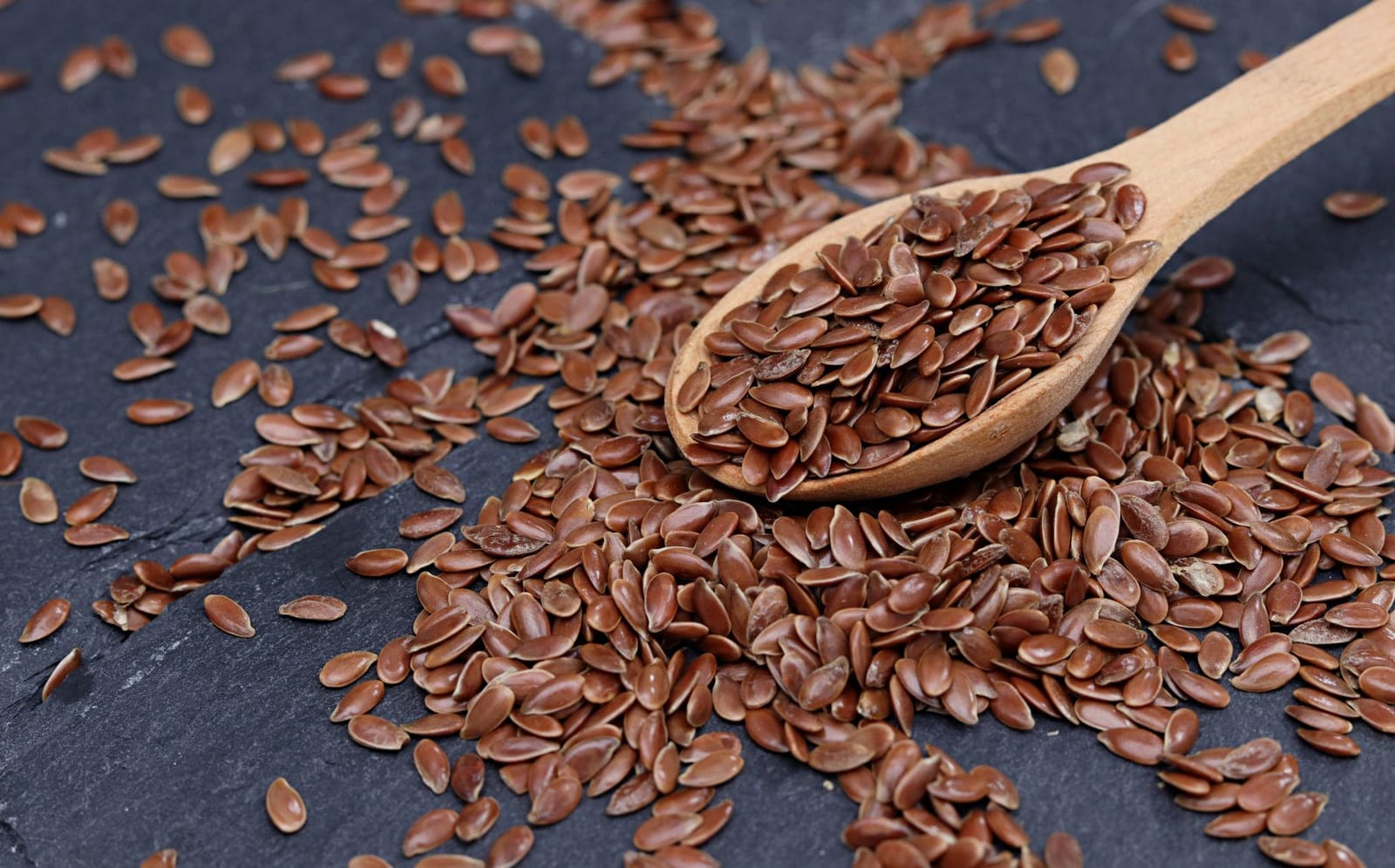
Flax and chia seeds make a brilliant binding “egg” for baking: mix one tablespoon of ground seeds with three tablespoons of water, let it sit for a few minutes until gel-like, and stir it into muffins, pancakes and cookies. As a bonus, they add fibre and omega-3s.
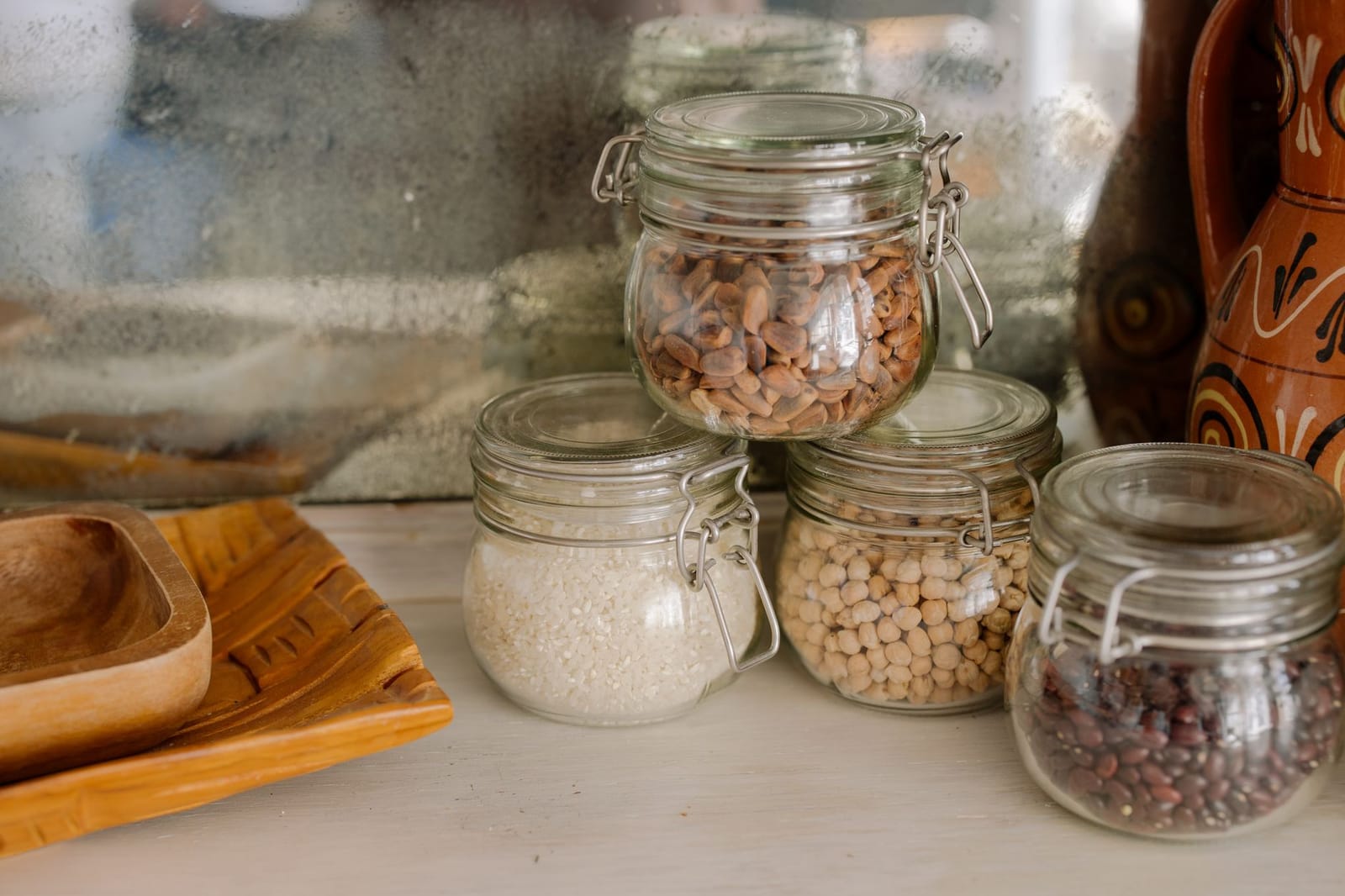
Creamy staples: tahini & plant milk
Richness and creaminess are easy to achieve without dairy, and these staples are how.
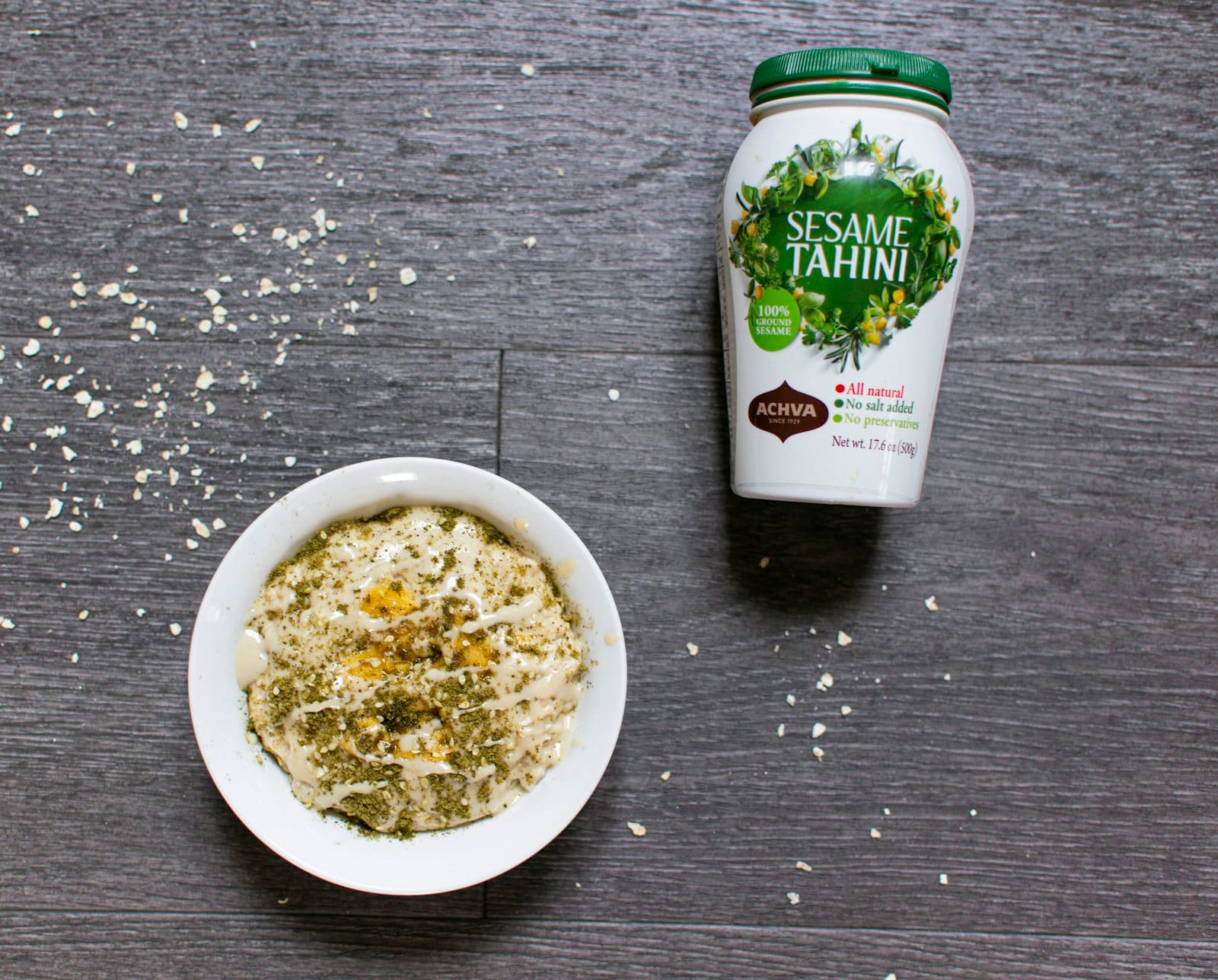
Tahini, a smooth paste of ground sesame seeds, is endlessly useful — whisk it into salad dressings, drizzle it over roast vegetables, swirl it through sauces, or use it in both savoury and sweet baking. It adds a nutty richness that feels indulgent.
A good plant milk is a daily workhorse for coffee, cereal, smoothies, baking and creamy sauces. Keep a versatile one such as soy or oat on hand, and a tin of coconut milk too for curries and desserts.
Protein staples: tofu, tempeh & legumes
No plant-based kitchen is complete without reliable protein, and these staples deliver it affordably and easily.
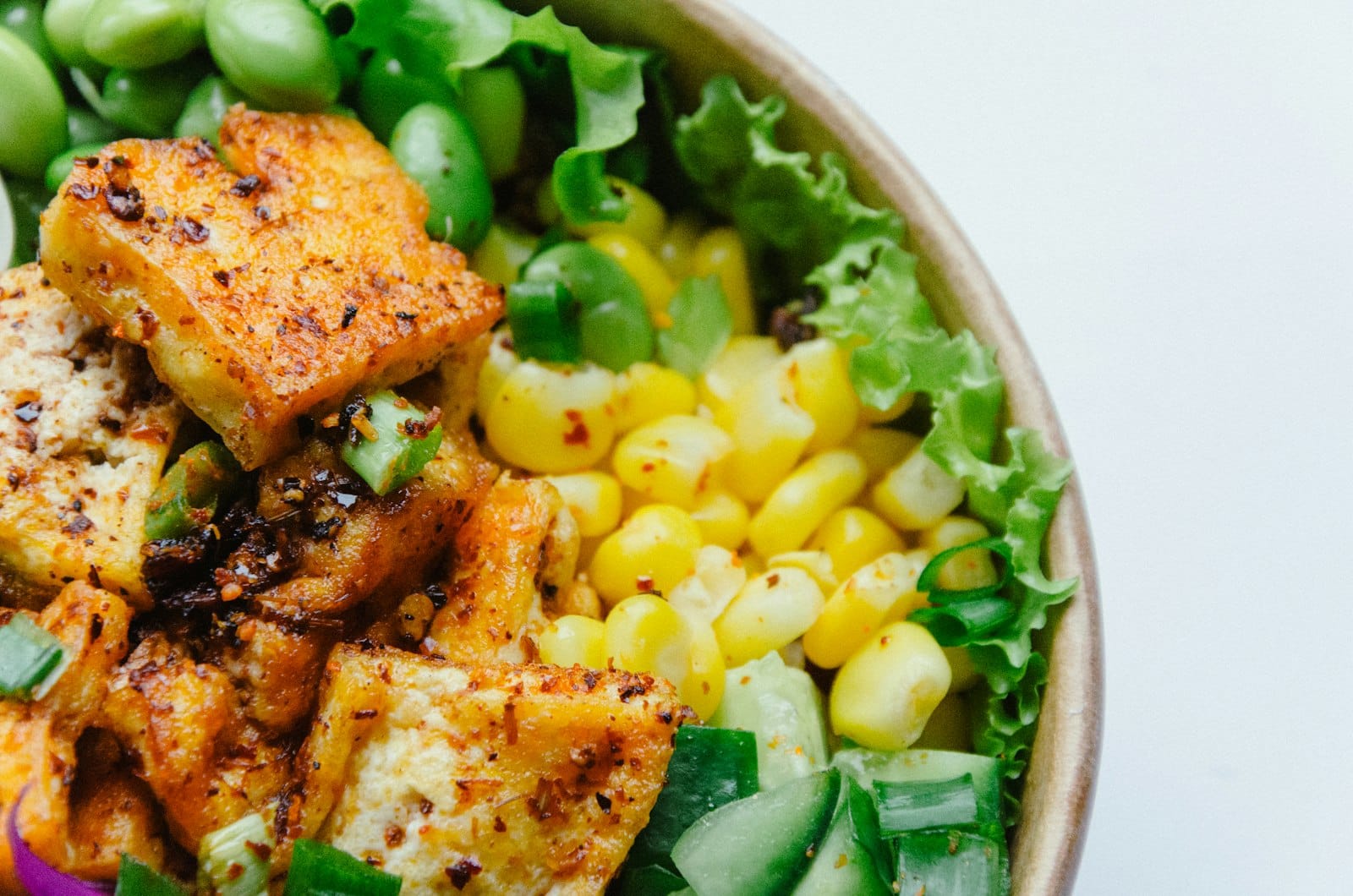
Tofu and tempeh are the versatile heroes — press and pan-fry tofu, marinate and grill tempeh, and both slot into stir-fries, bowls and curries. Keep them in the fridge and you always have a main sorted.
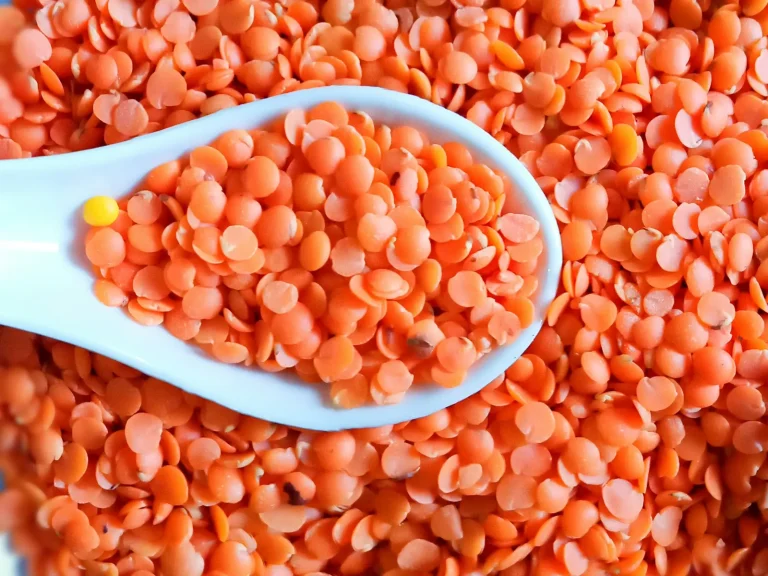
Tinned and dried legumes — chickpeas, lentils, black beans and kidney beans — are the backbone of quick, hearty, high-fibre meals. A well-stocked shelf of tins means dinner is never far away.
How to build your vegan pantry
If this all feels like a lot, relax — you do not need to buy everything at once. The smartest approach is to add a couple of staples to each shop until your pantry quietly fills out.
Start with the essentials you will use constantly: nutritional yeast, tahini, tamari, tinned legumes and a good plant milk. Add flax or chia for baking, then miso and coconut milk as you branch into new dishes. Before long you will be able to pull together a delicious plant-based meal from the pantry alone.
Let us do the cooking
Stocking a plant-based kitchen is genuinely rewarding — but on the days you would rather someone else cooked, we are here. At The Cardamom Pod in Southport, our kitchen turns staples like tofu, tempeh and tahini into vibrant, satisfying dishes.
It is a great way to taste what these ingredients can do before recreating them at home. Browse the full plant-based menu at The Cardamom Pod, or book a table at The Brickworks in Southport.
Staples that quietly boost your nutrition
Beyond flavour and convenience, several of these staples pull real nutritional weight — which is worth knowing when you are planning balanced plant-based meals.
Fortified nutritional yeast is a handy source of vitamin B12, a nutrient vegans need to get from fortified foods or a supplement. Flax and chia seeds add omega-3 fats and fibre, while tahini contributes calcium and healthy fats. Tofu, tempeh and legumes cover protein and iron, and miso brings gut-friendly fermentation.
In other words, a well-stocked plant-based pantry does not just make cooking easier — it quietly helps you cover the nutrients that matter most.
Frequently asked questions
What is nutritional yeast?
Nutritional yeast is a deactivated yeast sold as golden flakes with a savoury, cheesy, umami flavour. Vegans use it to add a cheesy taste to pasta, popcorn, sauces and scrambles, and many varieties are fortified with vitamin B12.
What is aquafaba and how do you use it?
Aquafaba is the liquid from a can of chickpeas. It whips up like egg whites, so it is used as a vegan egg replacer in meringues, mousses, mayonnaise and baking — roughly 3 tablespoons replaces one egg.
What are the most useful vegan pantry staples?
A great starter kit includes nutritional yeast, tahini, miso or tamari, tinned legumes, plant milk, flax or chia seeds, tofu or tempeh, and a good olive oil. With these on hand, most plant-based meals come together easily.
How do you replace eggs in vegan cooking?
Common swaps include a flax or chia “egg” (1 tablespoon ground seeds plus 3 tablespoons water) for baking, aquafaba for whipping, and mashed banana or apple sauce for moisture and binding in sweet bakes.
Do I need special ingredients to cook vegan food?
Not at all. Most vegan cooking uses everyday ingredients like vegetables, grains and legumes. A handful of staples such as nutritional yeast and tahini simply make it easier to add richness, flavour and variety.
Keep exploring
For more, read our guides to the best vegan protein sources, what tempeh is and how to use it, and plant-based milks compared.