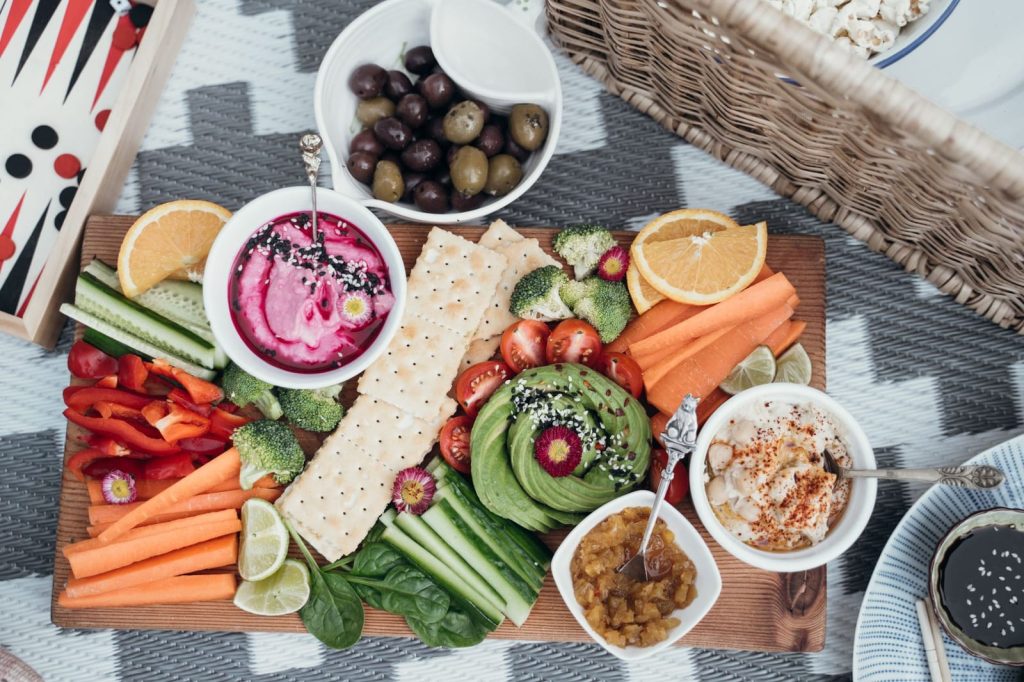
It is a question a lot of people ask when they first consider eating more plants: will it help me manage my weight? The honest answer is — it can, but not by magic.
A plant-based diet built around wholefoods has some genuine advantages for weight management. But “plant-based” and “slimming” are not the same thing, and it pays to understand why. This guide takes a balanced, realistic look at the connection.
As always, this is general information rather than personal advice — but it should help you see the full picture.
Why plant-based eating can help
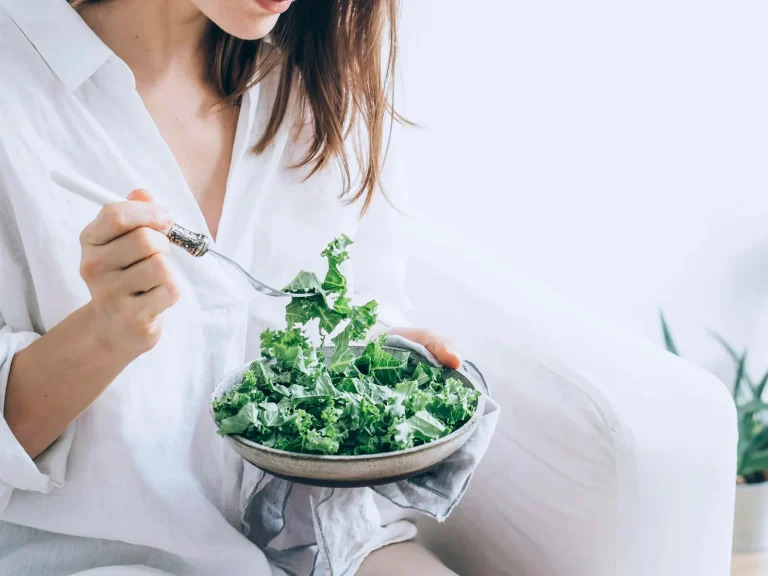
There are sound reasons a wholefood plant-based diet often supports a healthy weight, and they come down to the nature of the food itself.
- High in fibre — vegetables, legumes and wholegrains keep you feeling full for longer.
- Lower calorie density — whole plant foods fill you up on fewer calories per bite.
- Naturally nutrient-rich — you get more vitamins and minerals per mouthful.
- More home cooking — cooking from scratch tends to mean fewer processed extras.
In short, wholefoods let you eat generously while naturally moderating your calorie intake — which is a far more pleasant path than counting every mouthful.
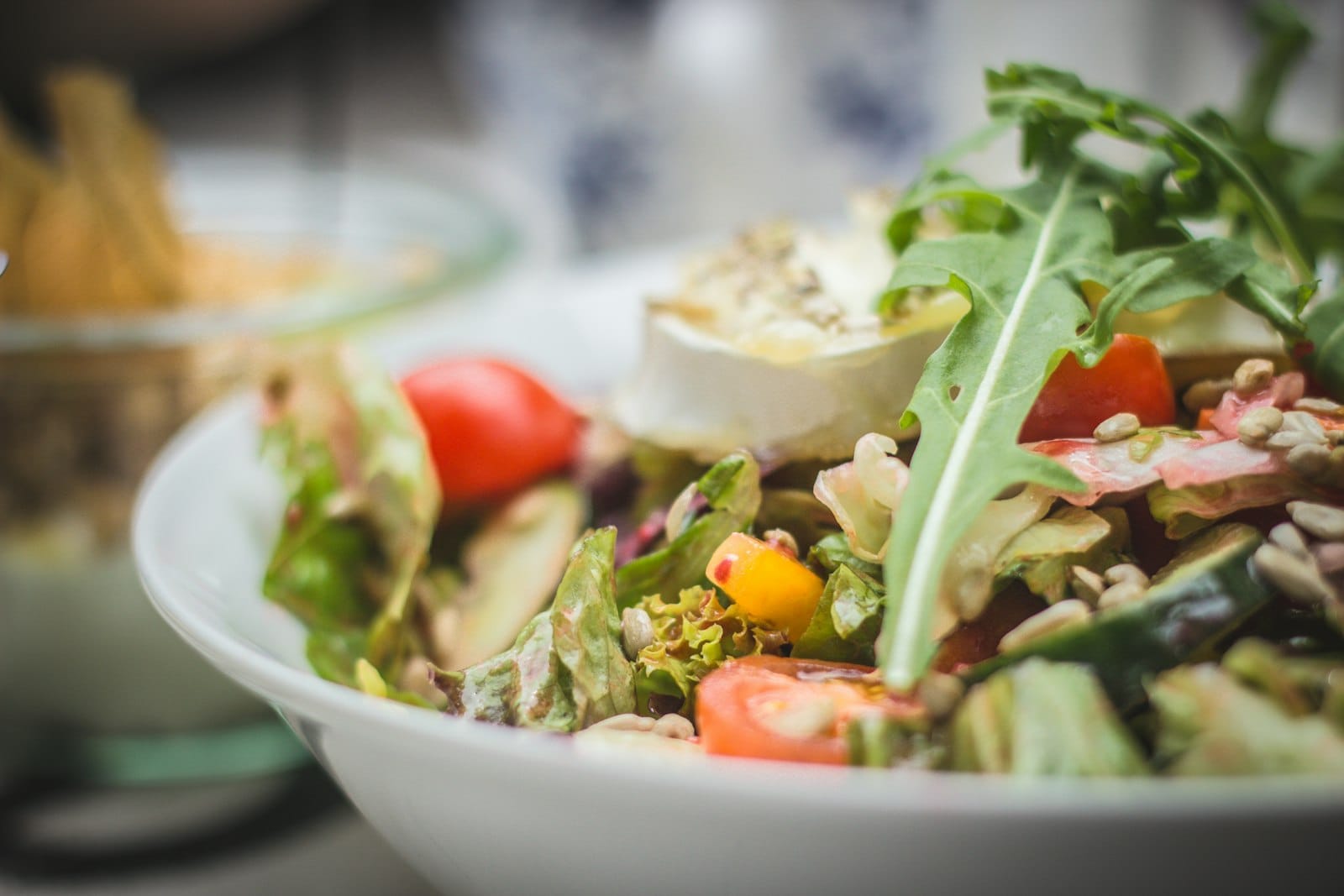
The catch: not all vegan food is created equal
Here is where honesty matters. A diet can be entirely plant-based and still work against your goals.
Vegan pastries, fried foods, sugary drinks, chips and refined snacks are all “plant-based” — but they are calorie-dense and easy to overeat. Simply swapping to vegan versions of junk food will not help you manage your weight. The plant-based label is not a free pass; as with any way of eating, overall balance and portion size are what count.
What the evidence suggests
Research generally links wholefood plant-based and vegetarian diets with lower average body weight and a reduced risk of several chronic conditions. That is encouraging — but the emphasis is firmly on wholefood.
The people who see benefits are typically eating plenty of vegetables, legumes, fruit and wholegrains, not living on processed vegan treats. For a trustworthy overview of healthy, sustainable weight management, Healthdirect covers weight loss and dieting in a balanced way.
It is also worth keeping expectations realistic. Any healthy change works best when it is gradual and sustainable rather than a crash approach — slow, steady progress is far easier to maintain than a dramatic short-term diet. A plant-based way of eating can be a genuinely enjoyable long-term habit, which is exactly what makes it work for so many people.
Building a weight-friendly plant plate
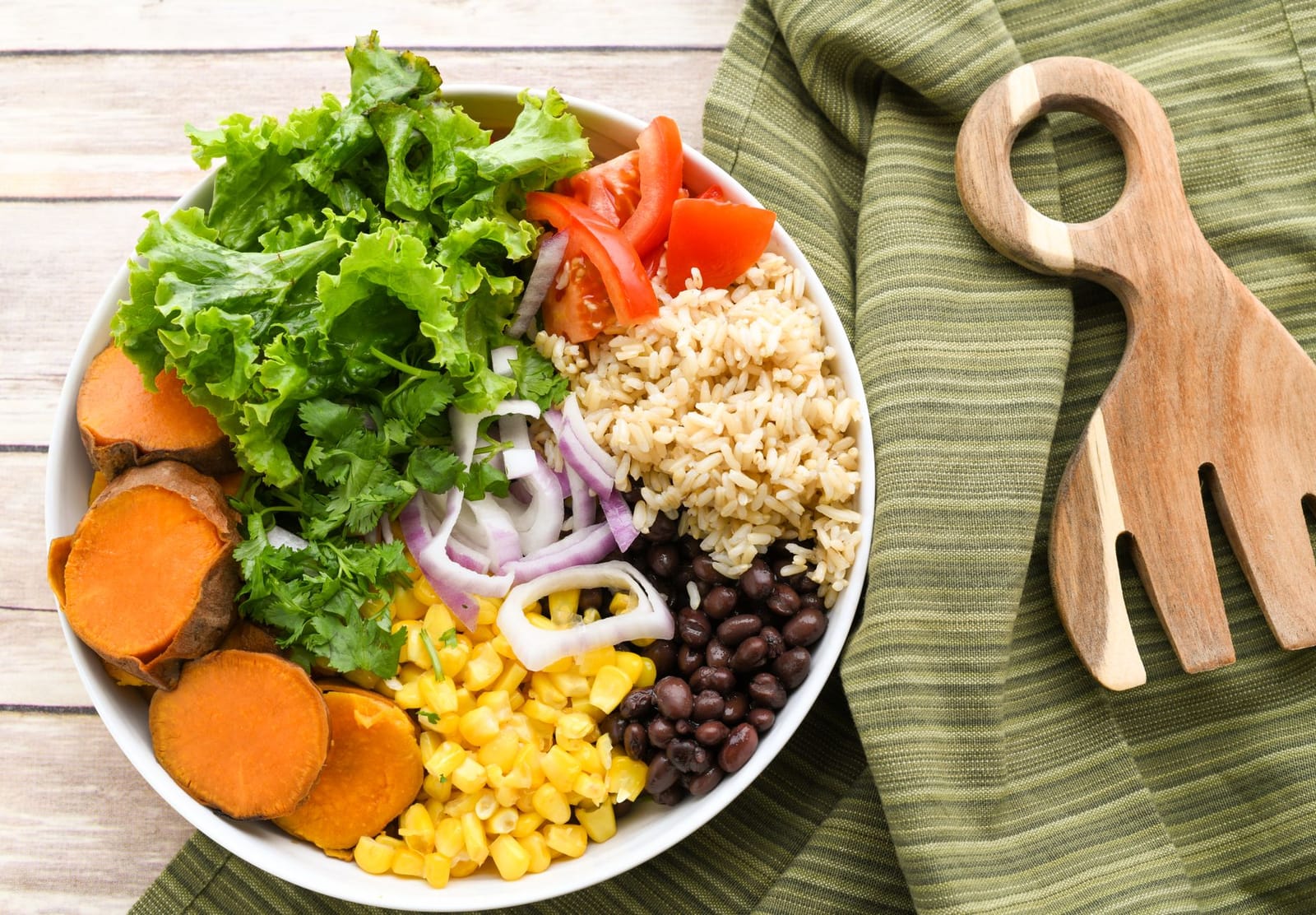
If your goal is weight management, the way you build your plate matters more than any single food. A simple, filling template works well.
| Portion of plate | Fill it with | Examples |
|---|---|---|
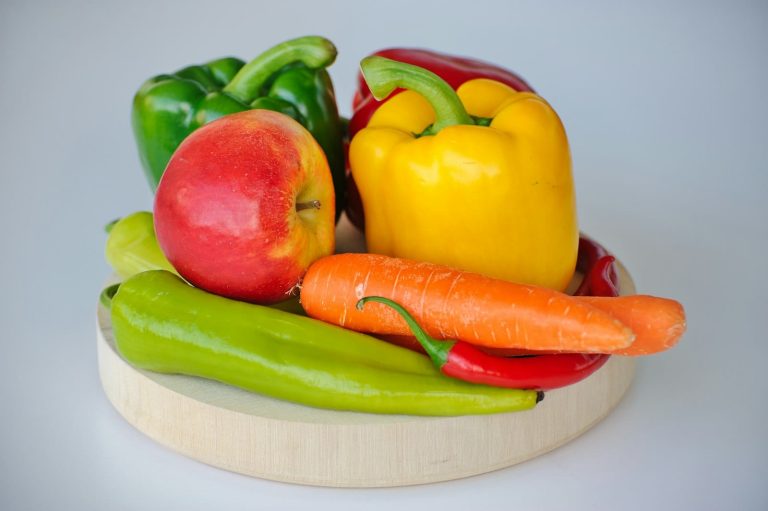
| ½ plate | Vegetables & salad | Greens, roast veg, tomato, capsicum |
| ¼ plate | Wholegrains / starchy veg | Brown rice, quinoa, sweet potato |
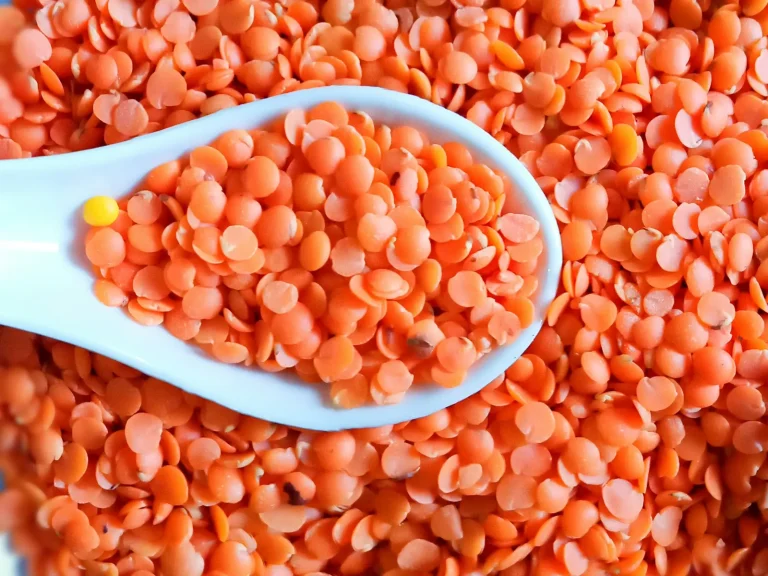
| ¼ plate | Plant protein | Legumes, tofu, tempeh |
| A little | Healthy fats | Avocado, nuts, seeds, olive oil |
This kind of plate is naturally high in fibre and volume, so it fills you up — while still being rich in nutrients and flavour.
The beauty of this template is its flexibility. It works just as well for a warming winter bowl of roast vegetables, quinoa and chickpeas as it does for a summer salad with tofu and avocado. You are not following a rigid diet so much as a loose, generous guide — one that leaves plenty of room for the food you actually enjoy while keeping the overall balance right.
Sensible habits that help
Beyond what is on your plate, a few gentle habits make a plant-based diet even more supportive of your goals.
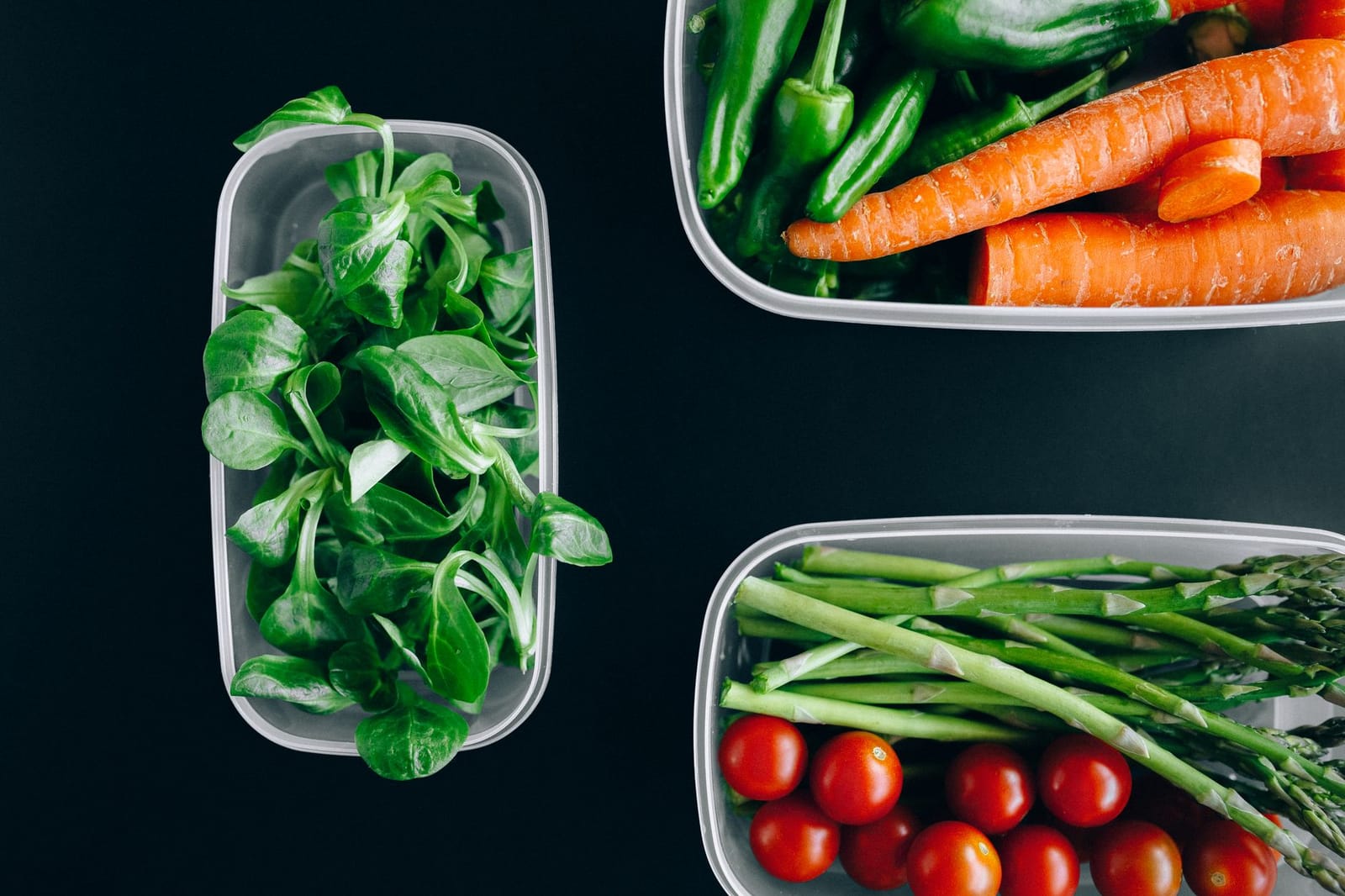
Lean on whole foods over processed ones, be mindful of liquid calories like sweet drinks, and pay attention to your hunger and fullness rather than eating on autopilot. Cooking at home more often naturally trims back the extras. None of this needs to be extreme — small, consistent choices add up over time.
A few myths worth clearing up
Plenty of confusing claims swirl around plant-based eating and weight, so it is worth setting a few straight.
The idea that “carbs are the enemy” does not hold up — wholegrains, legumes and starchy vegetables are filling, fibre-rich and a healthy part of the picture. The belief that you cannot get enough protein to stay full on plants is another myth; tofu, tempeh, legumes and seeds do the job well, as our guide to vegan protein explains.
Perhaps the biggest myth is that going vegan guarantees weight loss. It does not — a balanced, wholefood approach does the work, not the label itself. Ditch the extremes and quick fixes, focus on real food you enjoy, and you set yourself up for results that actually last.
Eat well, feel good
Ultimately, the best diet is one that is balanced, sustainable and genuinely enjoyable. A wholefood plant-based way of eating ticks all three boxes for many people — supporting a healthy weight while being kind to your body and the planet.
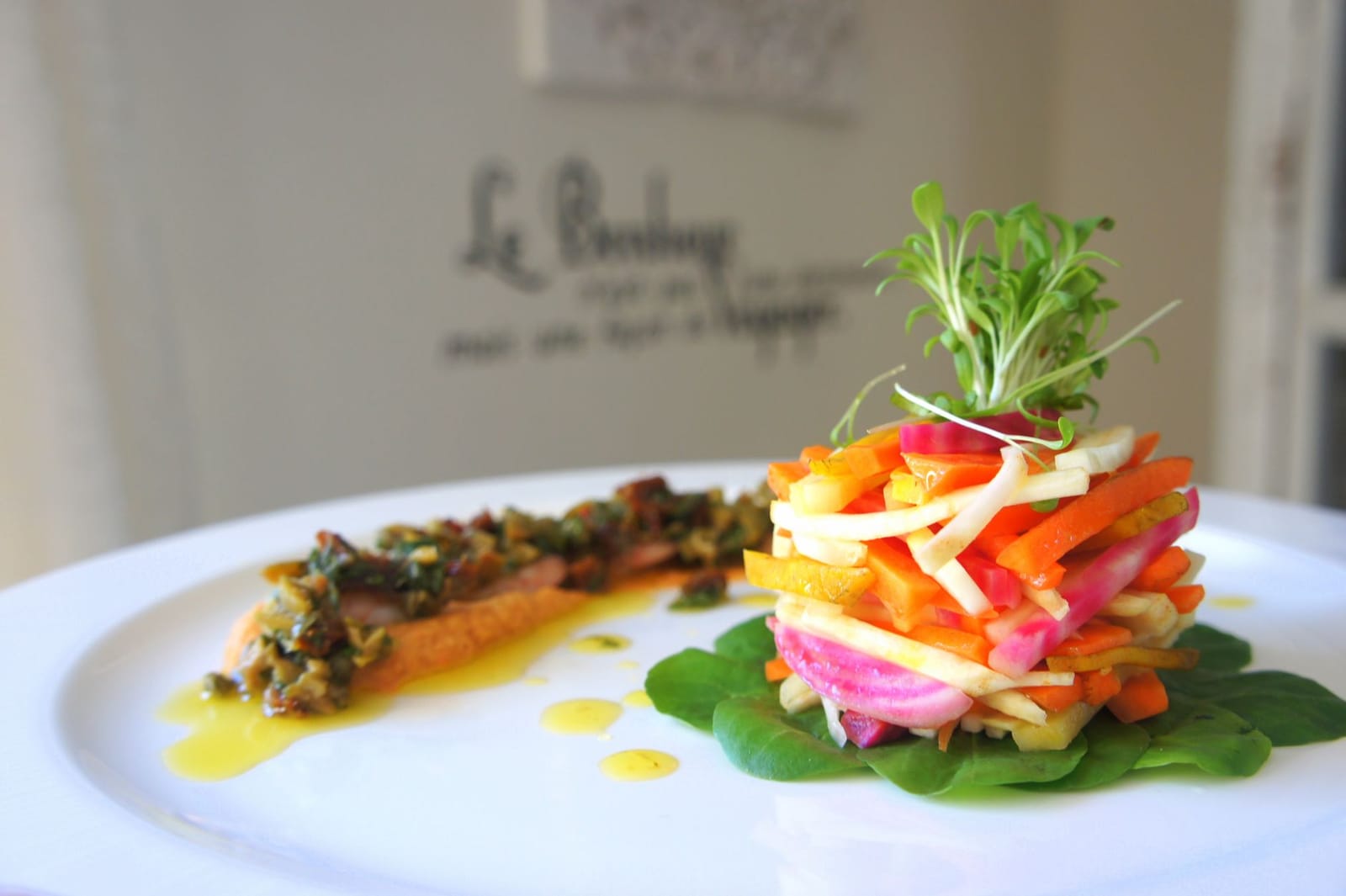
At The Cardamom Pod in Southport, our menu is built around fresh, wholefood plant-based cooking — vibrant bowls, salads and dishes that prove healthy food can be a genuine pleasure. Browse our full plant-based menu, or book a table at The Brickworks in Southport.
Frequently asked questions
Does going plant-based automatically help you lose weight?
Not automatically. A wholefood plant-based diet rich in vegetables, legumes and wholegrains tends to support weight management, but plant-based junk food and large portions can still lead to weight gain. The quality of the food matters most.
Why might a plant-based diet aid weight management?
Whole plant foods are typically high in fibre and water and lower in calorie density, so they help you feel full on fewer calories. They also encourage more home cooking and fewer highly processed foods.
Can you gain weight on a vegan diet?
Yes. Vegan pastries, fried foods, sugary drinks and refined snacks are all plant-based but calorie-dense. As with any way of eating, overall balance and portions determine weight, not the vegan label alone.
What should a weight-friendly plant-based plate look like?
Aim for half your plate as vegetables, a quarter as wholegrains or starchy vegetables, and a quarter as plant protein like legumes, tofu or tempeh, with a little healthy fat. This balance is filling and nutrient-rich.
Should I see a professional before changing my diet?
It is a good idea, especially if you have health conditions or specific goals. An accredited dietitian can help you plan a balanced plant-based diet that supports your weight and overall health safely.
Keep exploring
For more, read our guides to the best vegan protein sources, easy vegan breakfast ideas, and healthy cafes on the Gold Coast.