Tahini quietly does more work in Middle Eastern cooking than almost any other single ingredient — and it deserves a much bigger role in everyday plant-based cooking too.
This guide covers what tahini actually is, and simple, practical ways to use it well.
It is one of those ingredients that quietly earns its keep once you get to know it — not flashy, but genuinely essential once it becomes part of your regular cooking.
A staple with a long history
Sesame has been cultivated and used across the Middle East, Mediterranean and parts of Asia for thousands of years, prized for both its oil and its versatility as a paste.
Tahini specifically has been a cornerstone of Levantine and Middle Eastern cooking for centuries, long before it found its way into modern plant-based kitchens worldwide.
What tahini actually is
Tahini is simply ground sesame seeds — hulled seeds blended until their natural oils release, forming a smooth, pourable paste.
Most tahini contains just one ingredient, occasionally with a touch of sesame oil or salt added. The colour and texture can vary considerably between brands, ranging from light beige to a deeper brown, and from thin and pourable to thick and spoonable.

Tahini vs other nut and seed butters
Tahini often gets compared to peanut butter, but the two behave quite differently in the kitchen.
| Feature | Tahini | Peanut butter |
|---|---|---|
| Base ingredient | Sesame seeds | Peanuts |
| Flavour | Savoury, slightly bitter, roasted | Sweet, rich, nutty |
| Texture | Thinner, more pourable | Thicker, spreadable |
| Best known use | Hummus, savoury dishes | Sandwiches, sweet dishes |
Tahini as a thickener
Beyond flavour, tahini also works well as a natural thickener, adding body to soups and sauces without needing flour or cornstarch.
A spoonful stirred into a simmering lentil soup near the end of cooking rounds out both texture and flavour in one simple step.
It is a trick worth remembering next time a sauce needs a little extra body without reaching for flour.
Choosing a good jar
Not all tahini is created equal, and it is worth paying a little attention when buying.
Look for tahini made from hulled sesame seeds for a smoother, less bitter result, and check the ingredients list is short — ideally just sesame, with perhaps a touch of salt. A runnier consistency generally indicates a better-quality grind.
The foundation of hummus
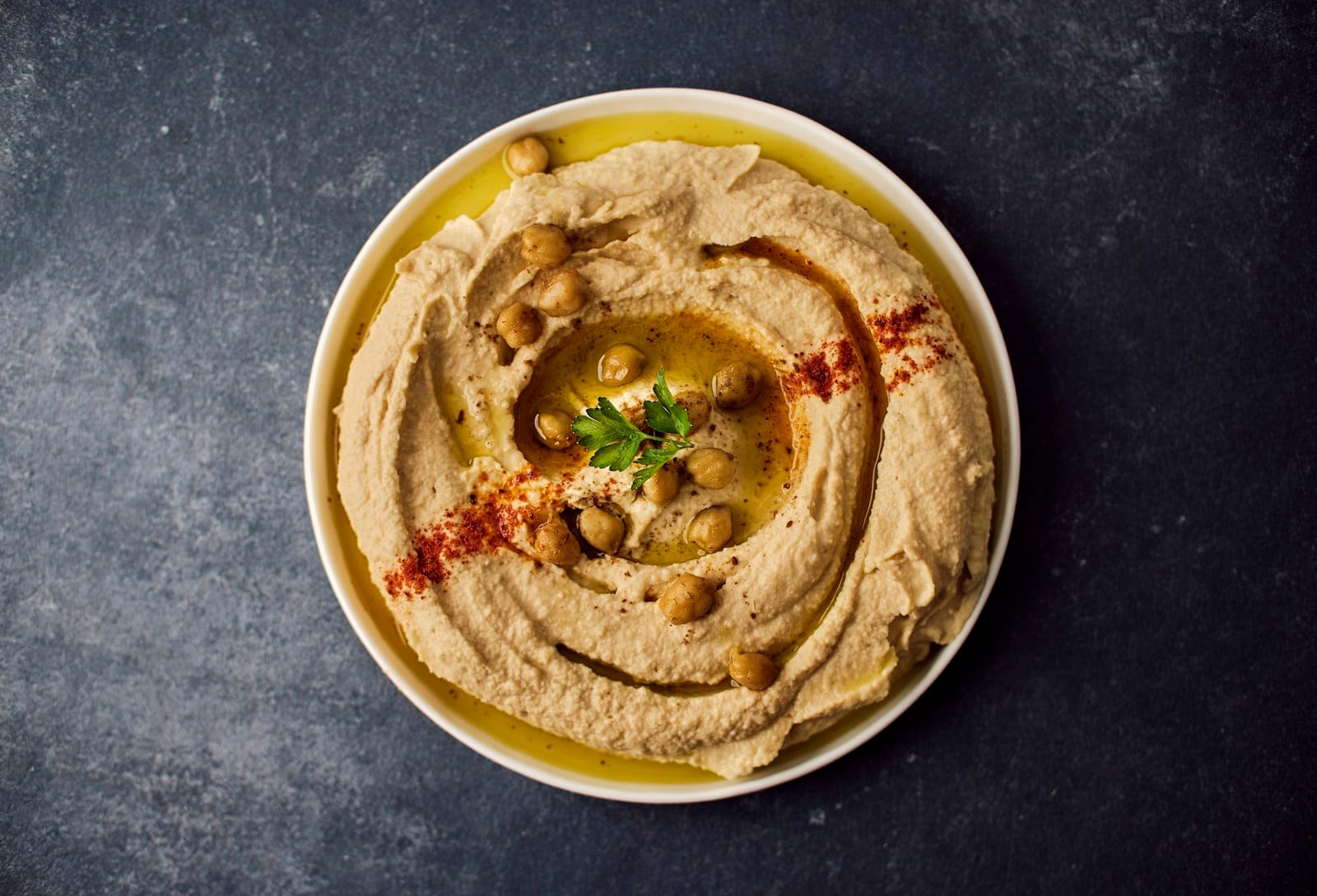
Tahini is what gives hummus its characteristic richness and depth — without it, a chickpea dip is simply not quite hummus.
The ratio matters too: too little tahini and the dip tastes flat; too much and it turns bitter. A good hummus recipe balances tahini, chickpeas, lemon, garlic and olive oil carefully to get this right. According to Forks Over Knives’ guide to tahini, this balance is really the whole secret behind a genuinely great hummus.
Tahini around the world
While tahini is most associated with Middle Eastern cooking, it turns up in a surprising range of cuisines once you start looking.
Chinese sesame paste, used in dishes like dan dan noodles, is a close cousin, and Japanese neri goma serves a similar role in some dressings and sauces. The exact grind and roast level vary, but the basic idea — ground sesame as a flavour base — shows up again and again.
Beyond hummus: other savoury uses
Tahini earns its keep well beyond dips.
- Salad dressings — whisked with lemon and water for a creamy, tangy dressing.
- Sauces — tarator sauce and falafel drizzles both rely on it.
- Marinades — adds body and nuttiness to roasted vegetables.
- Soups — a spoonful stirred in adds richness without dairy.
Tahini in sweet cooking
Tahini’s slightly bitter, roasted flavour actually pairs beautifully with sweet ingredients, which is why it shows up in desserts across Middle Eastern cuisine.
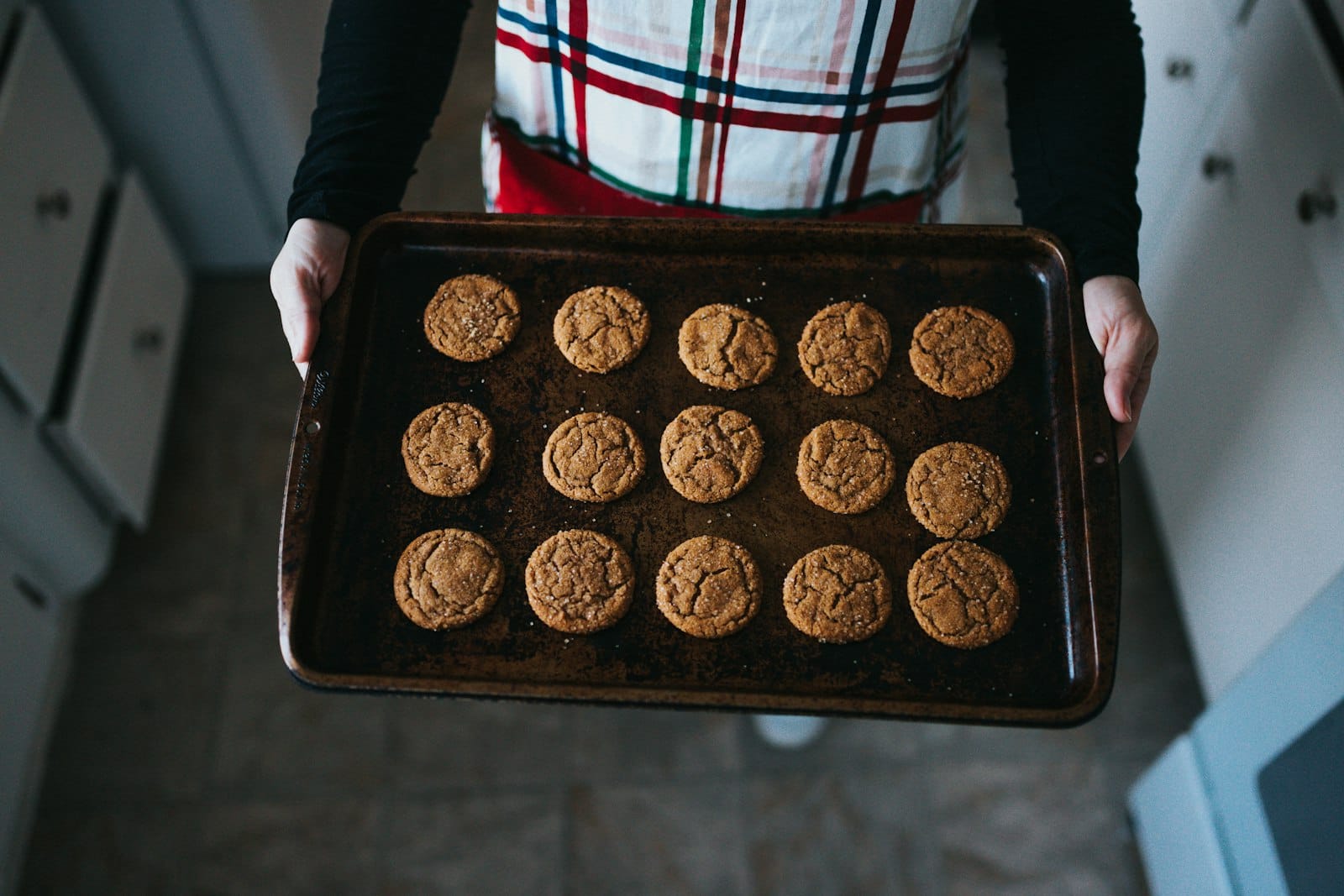
Chocolate tahini brownies, tahini cookies and halva all lean on that contrast between bitterness and sweetness — a combination worth trying if you have only used tahini in savoury cooking so far.
A note on allergies
While tahini is a great alternative for anyone avoiding peanuts or tree nuts, sesame itself is a recognised allergen and one of increasing concern in food labelling.
If cooking for others, it is always worth checking for a sesame allergy specifically, rather than assuming it is automatically a safe substitute simply because it is not a peanut or tree nut.
A quick check before serving saves any awkward surprises at the table.
Storing tahini properly
Tahini has a genuinely long shelf life, often two years or more, and can be stored at room temperature or in the fridge, much like other nut and seed butters.
Expect some natural oil separation over time — simply stir well before each use to bring the paste back to a smooth, usable consistency.
A pantry staple worth having
Once tahini earns a spot in your pantry, you will likely find yourself reaching for it in far more dishes than you initially expected.
Browse our full plant-based menu at The Cardamom Pod, or explore our guide to vegan kitchen staples for more pantry essentials worth keeping stocked.
A simple ingredient, endlessly useful
Few pantry staples offer this much versatility from a single, simple ingredient — savoury, sweet, thick, thin, tahini adapts to whatever a dish needs.
Keep a jar within reach, and you will likely find yourself reaching for it more often than expected.
Start with a simple dressing or a bowl of homemade hummus, and let it grow from there.
It is a small pantry addition with a genuinely outsized impact on how your cooking tastes.
Give it a proper go, and you will likely wonder why it took this long to discover.
Frequently asked questions
What is tahini made from?
Tahini is made from ground sesame seeds, sometimes with a touch of sesame oil or salt added, ground into a smooth, pourable or spoonable paste.
Is tahini the same as peanut butter?
Not quite — tahini is made purely from sesame seeds rather than peanuts, with a more bitter, roasted, savoury flavour and a thinner, more pourable consistency.
What is tahini used for?
Tahini is a key ingredient in hummus and baba ganoush, and works well in dressings, sauces, marinades and even sweet dishes like cookies and brownies.
Why does tahini separate in the jar?
Like natural nut butters, the oil in tahini naturally separates from the solids over time. Simply stir it well before using to bring it back together.
Does The Cardamom Pod use tahini?
Tahini is not currently a staple in our Indian-inspired menu, though it shares the same spirit of simple, whole-food ingredients we build our dishes around.
Keep exploring
For more, read our guides to vegan kitchen staples, miso: what it is and how to use it, and vegan protein sources.